Madison, Wisconsin — Sunset Village
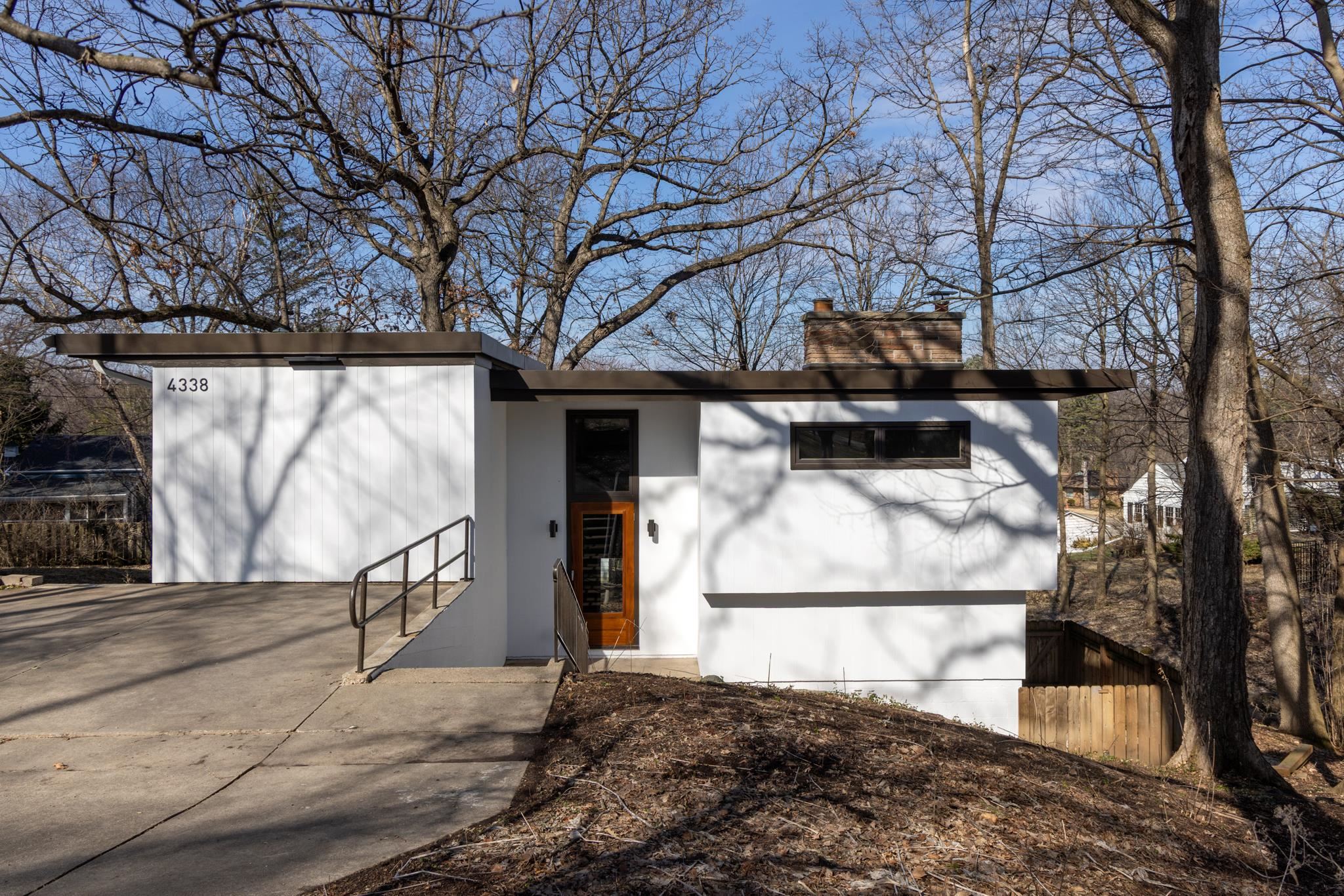
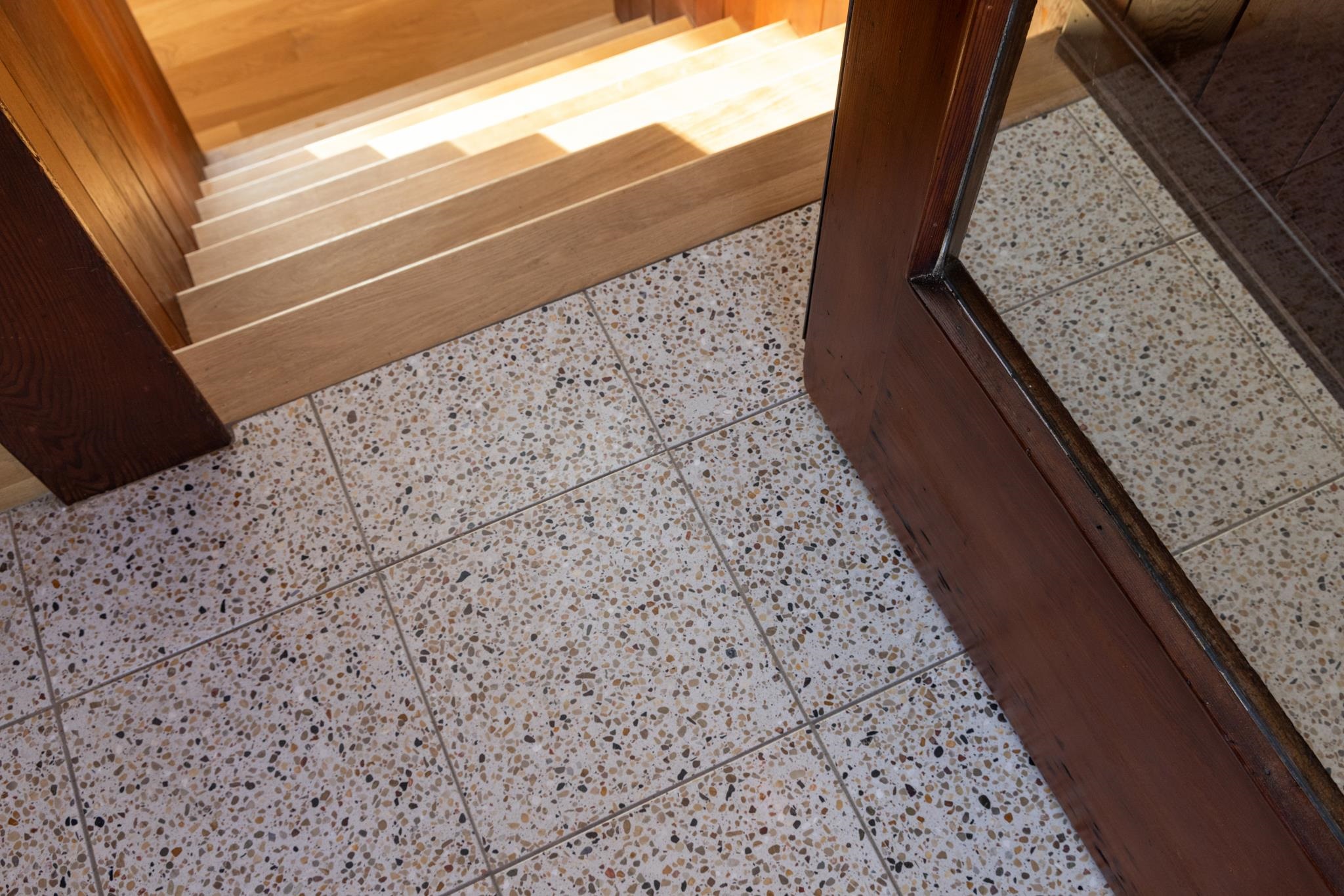
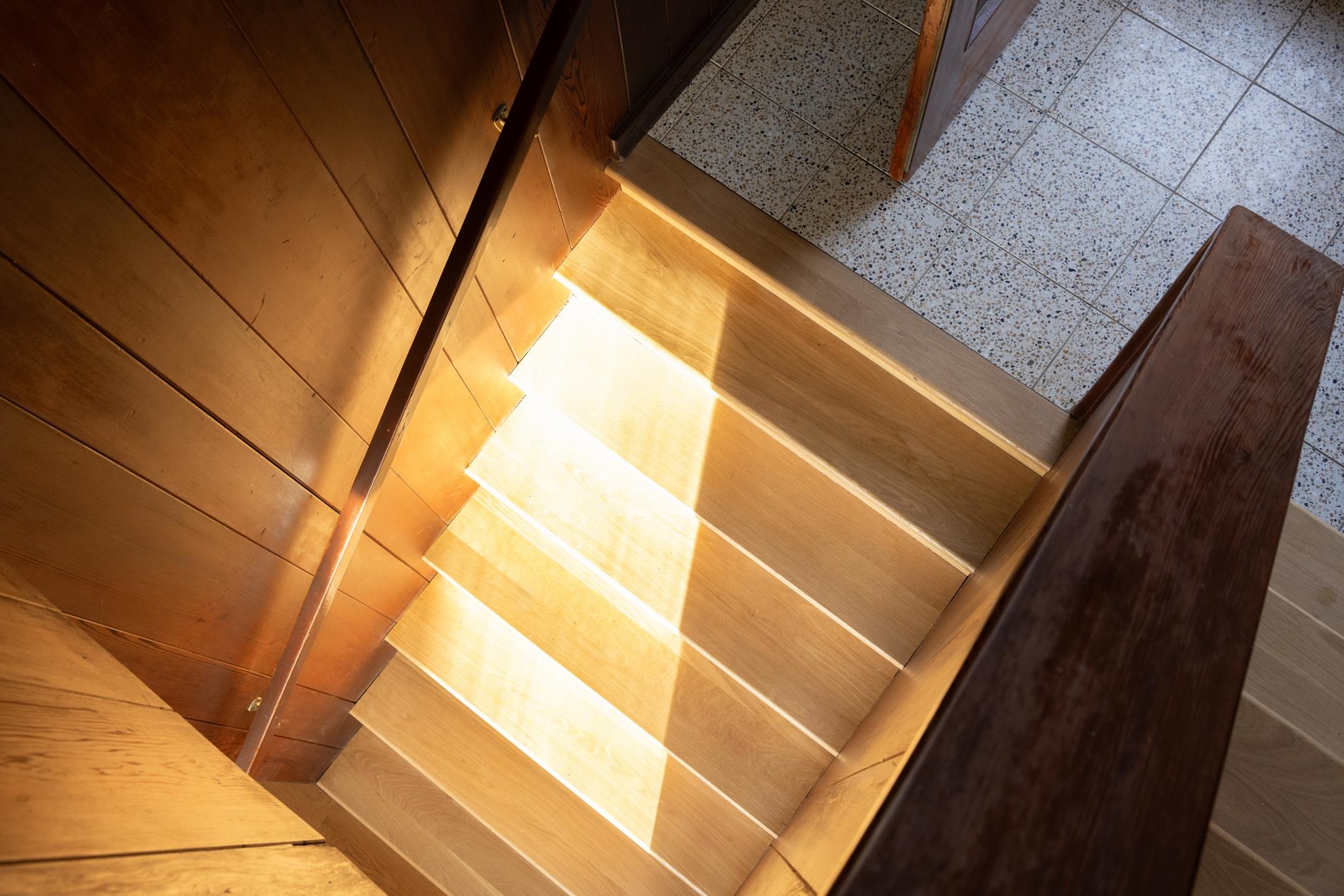
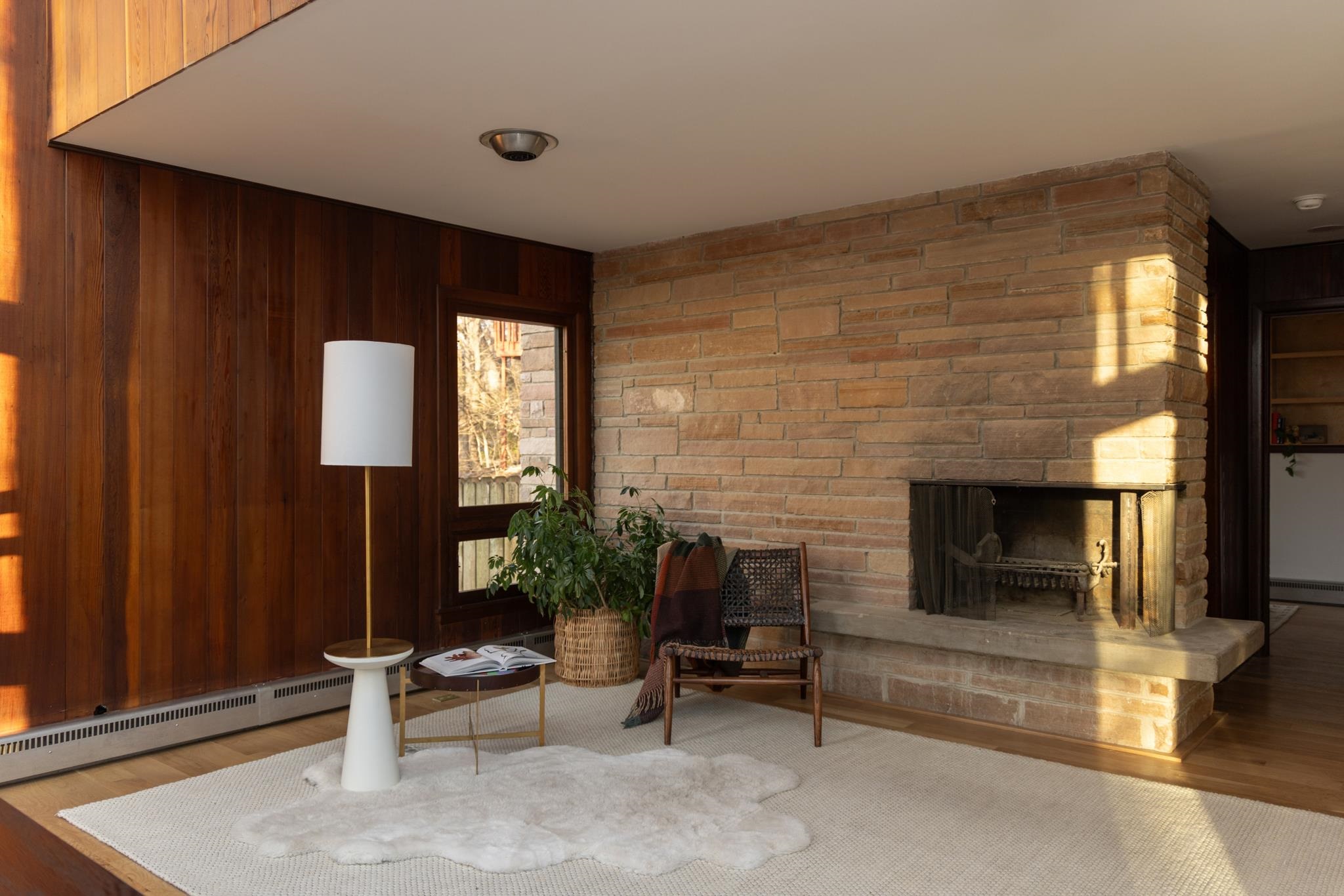
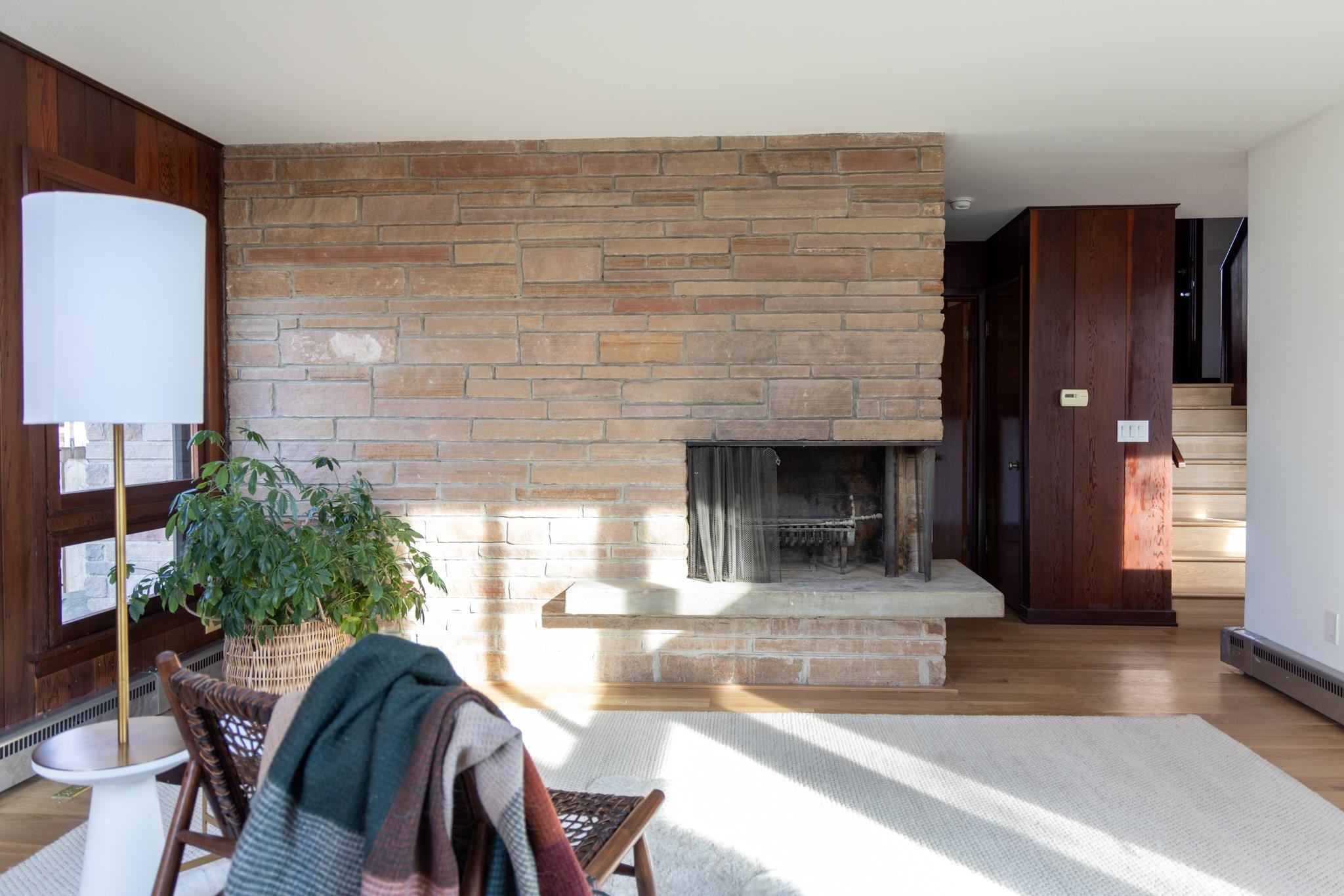
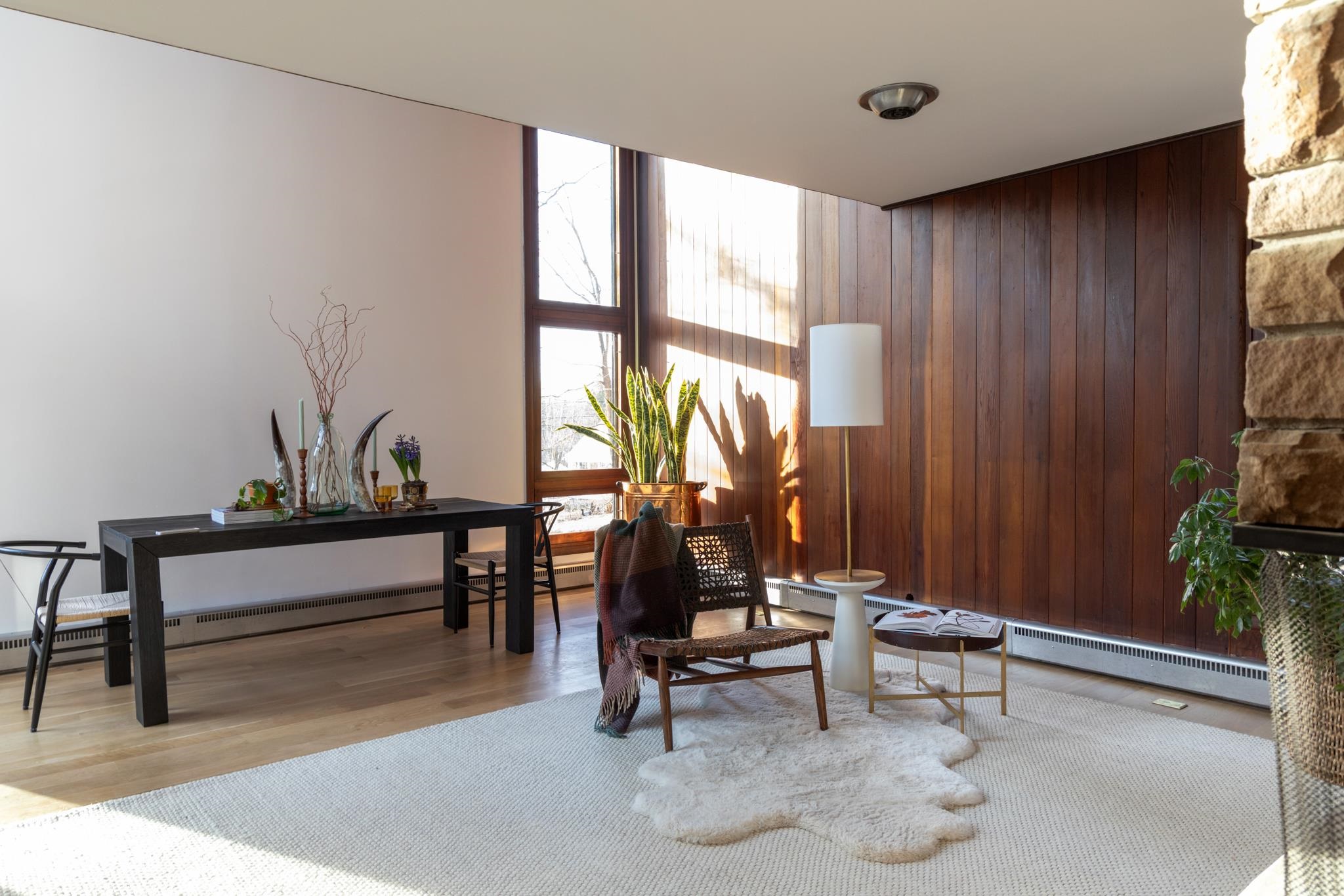
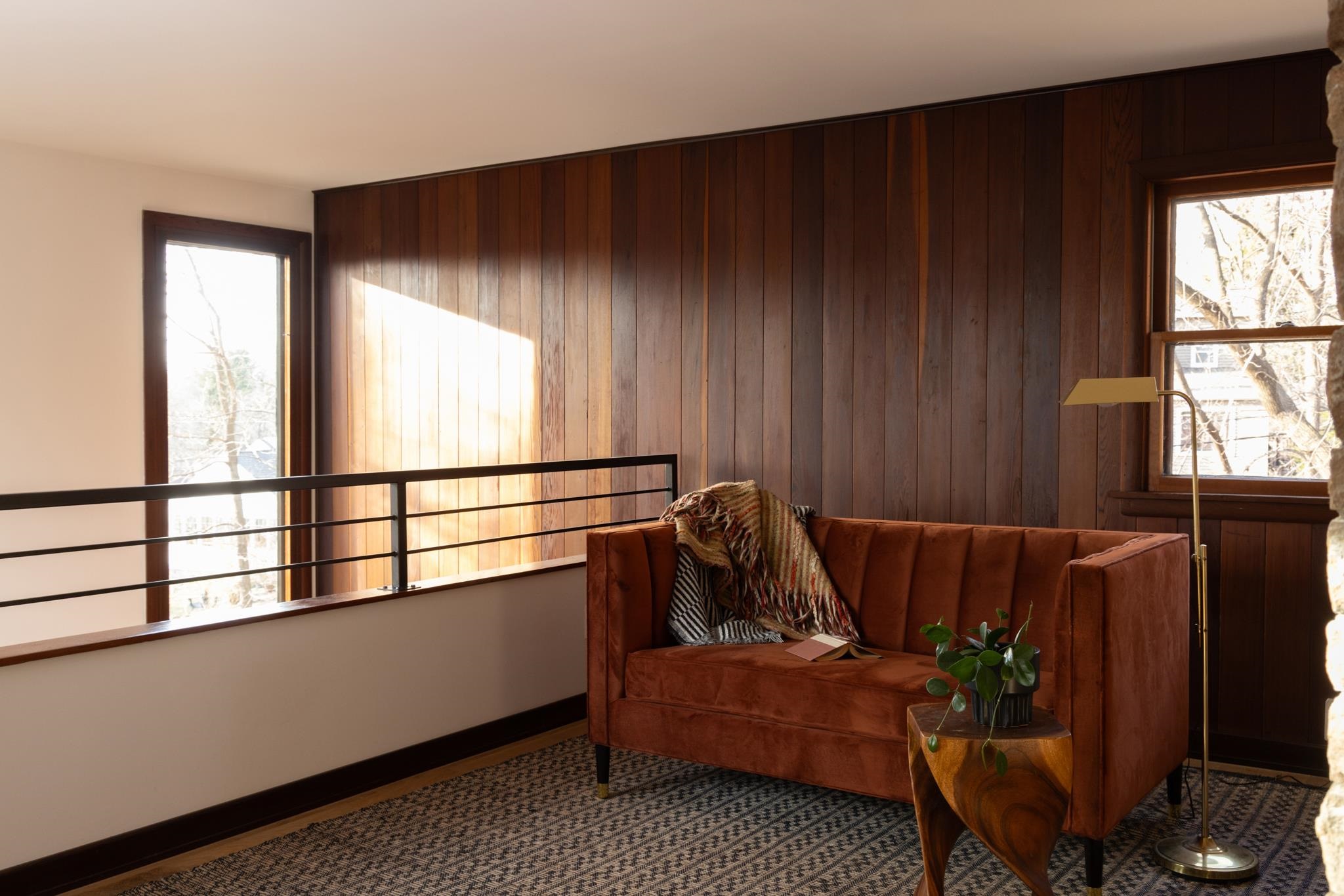
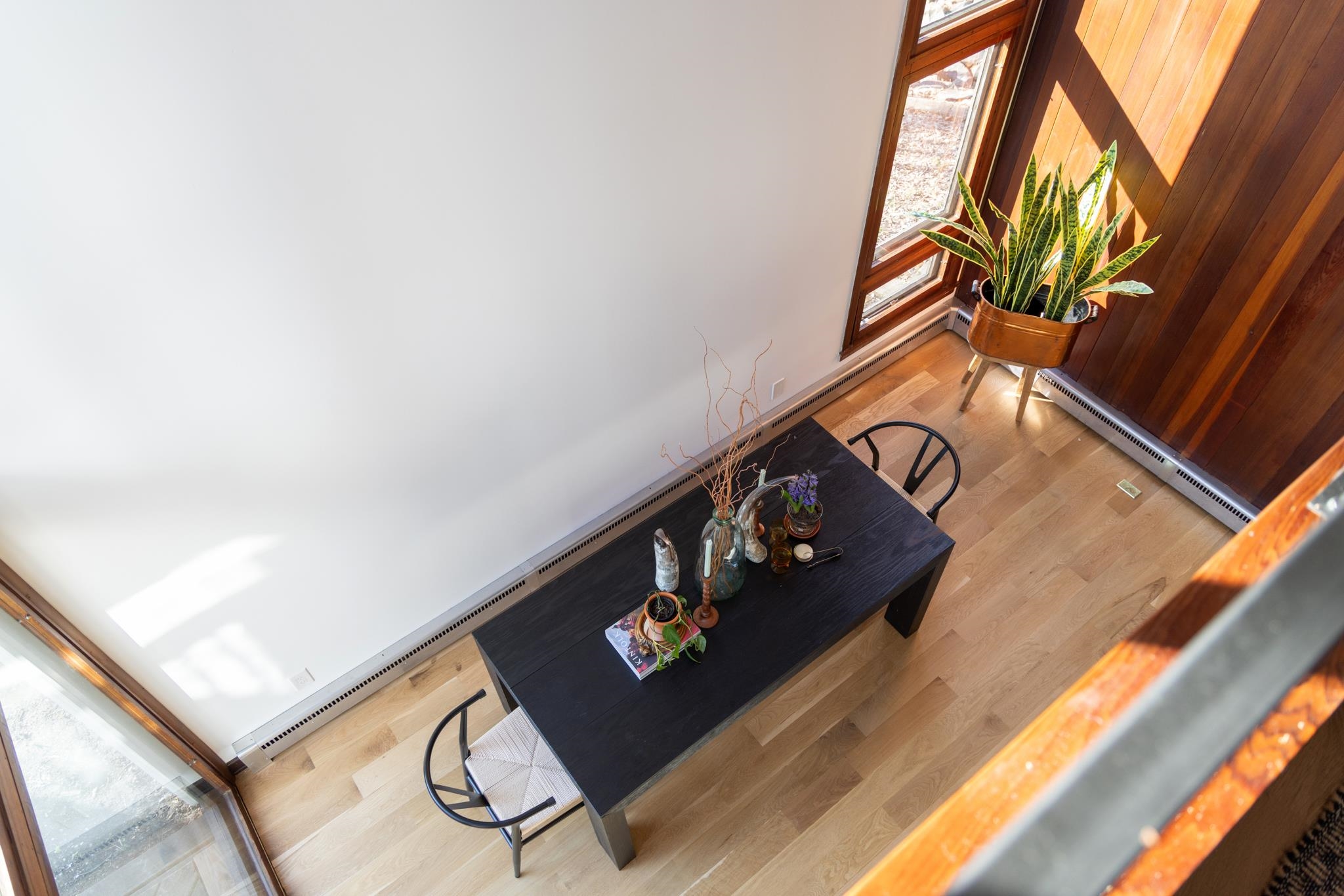
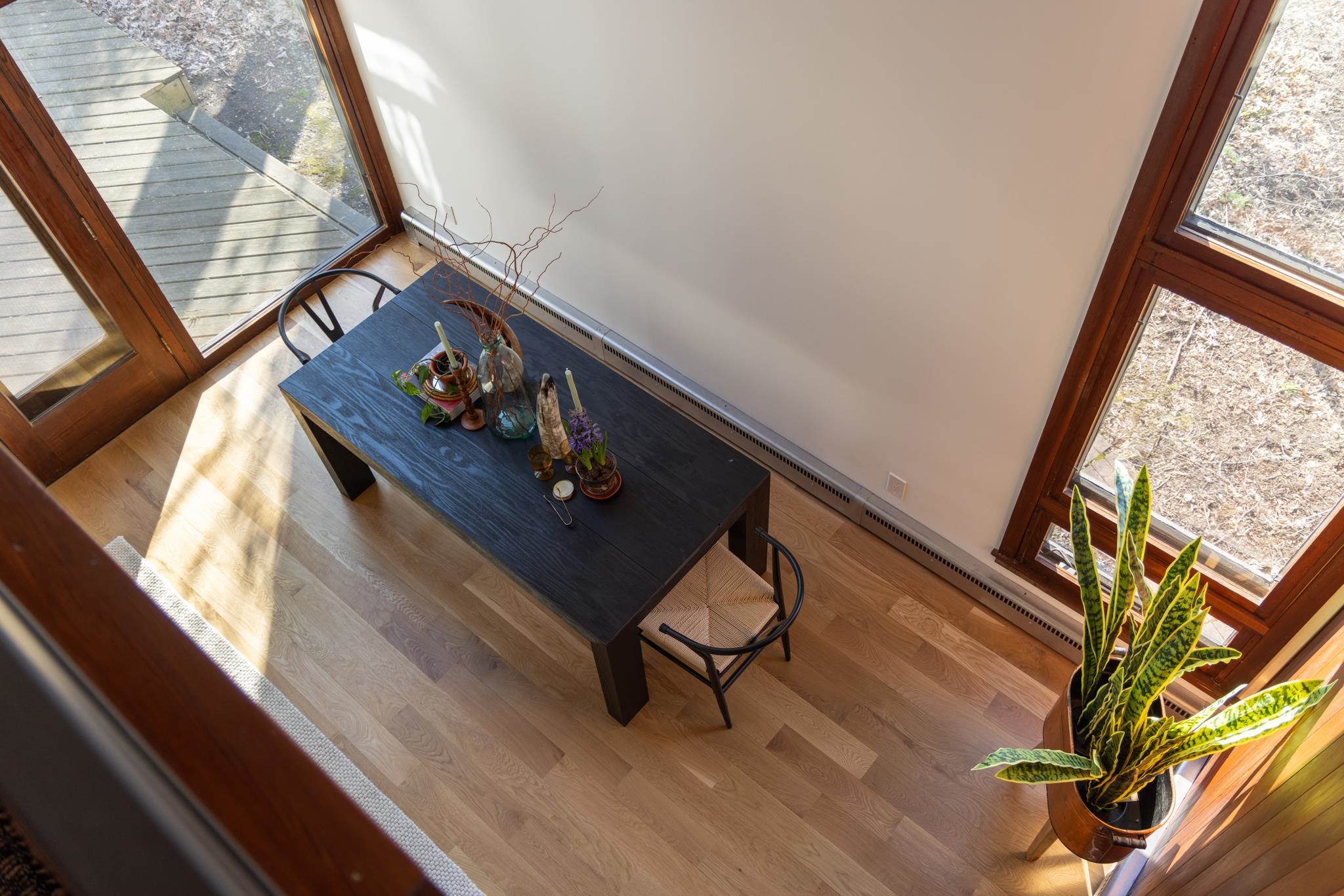
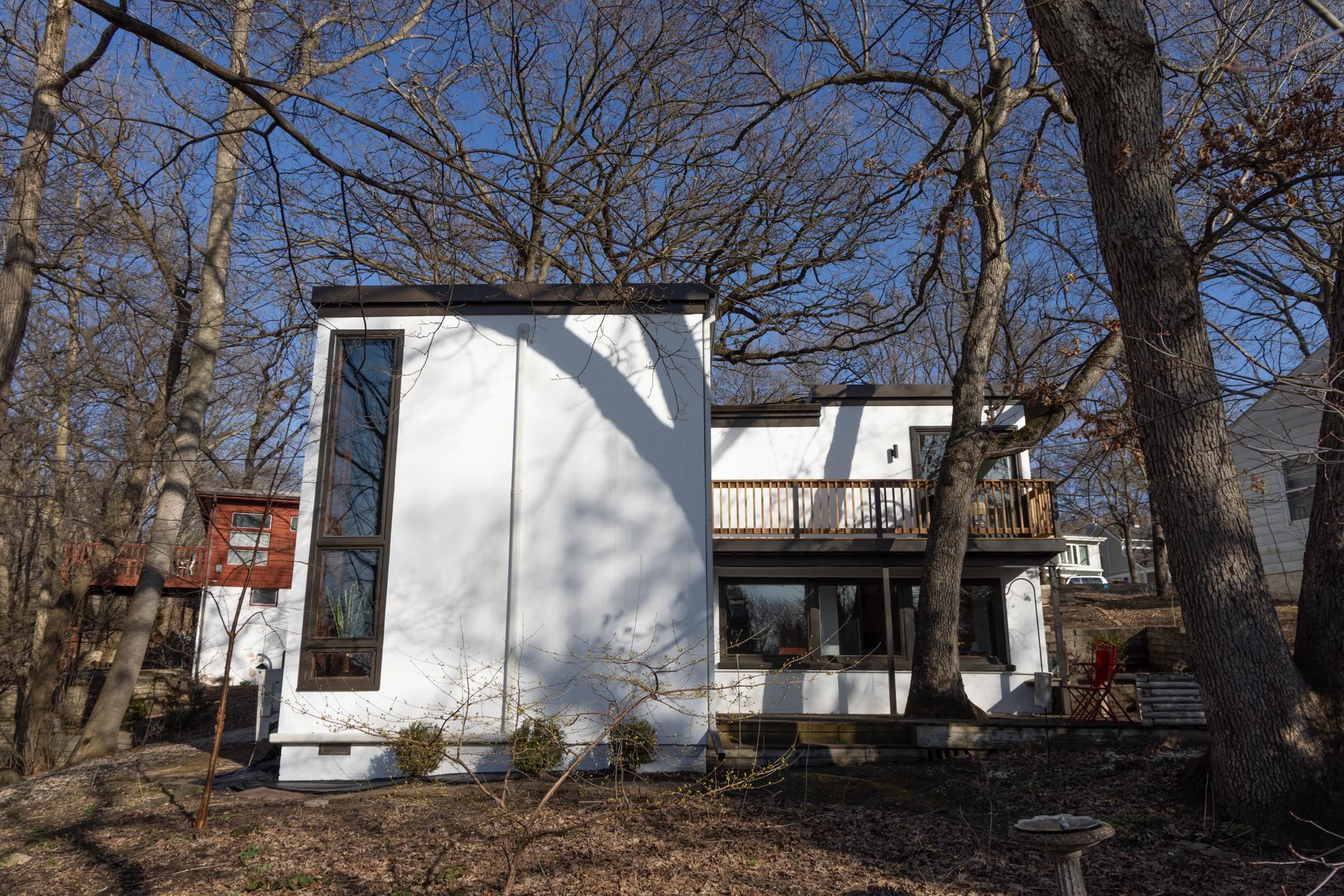
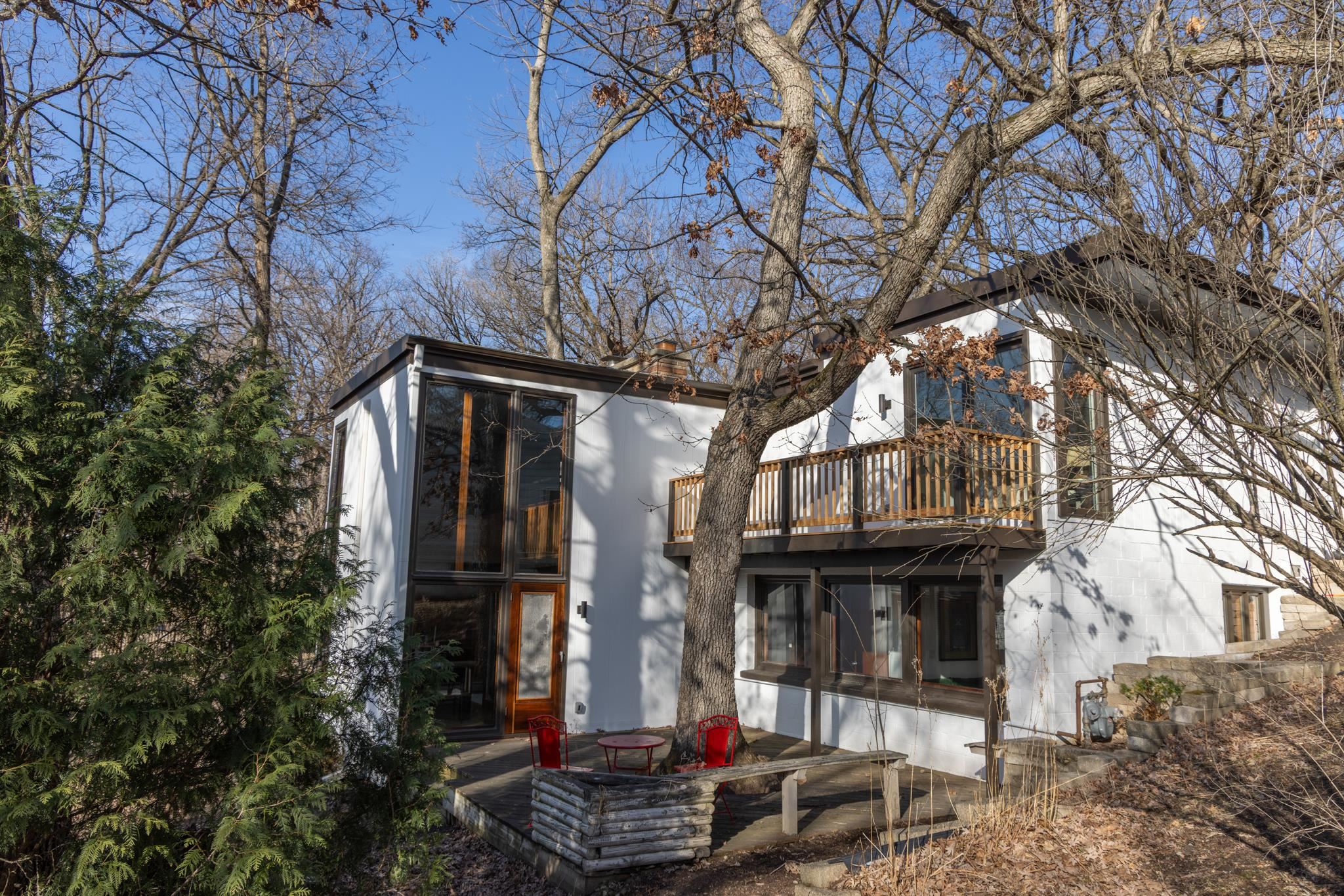
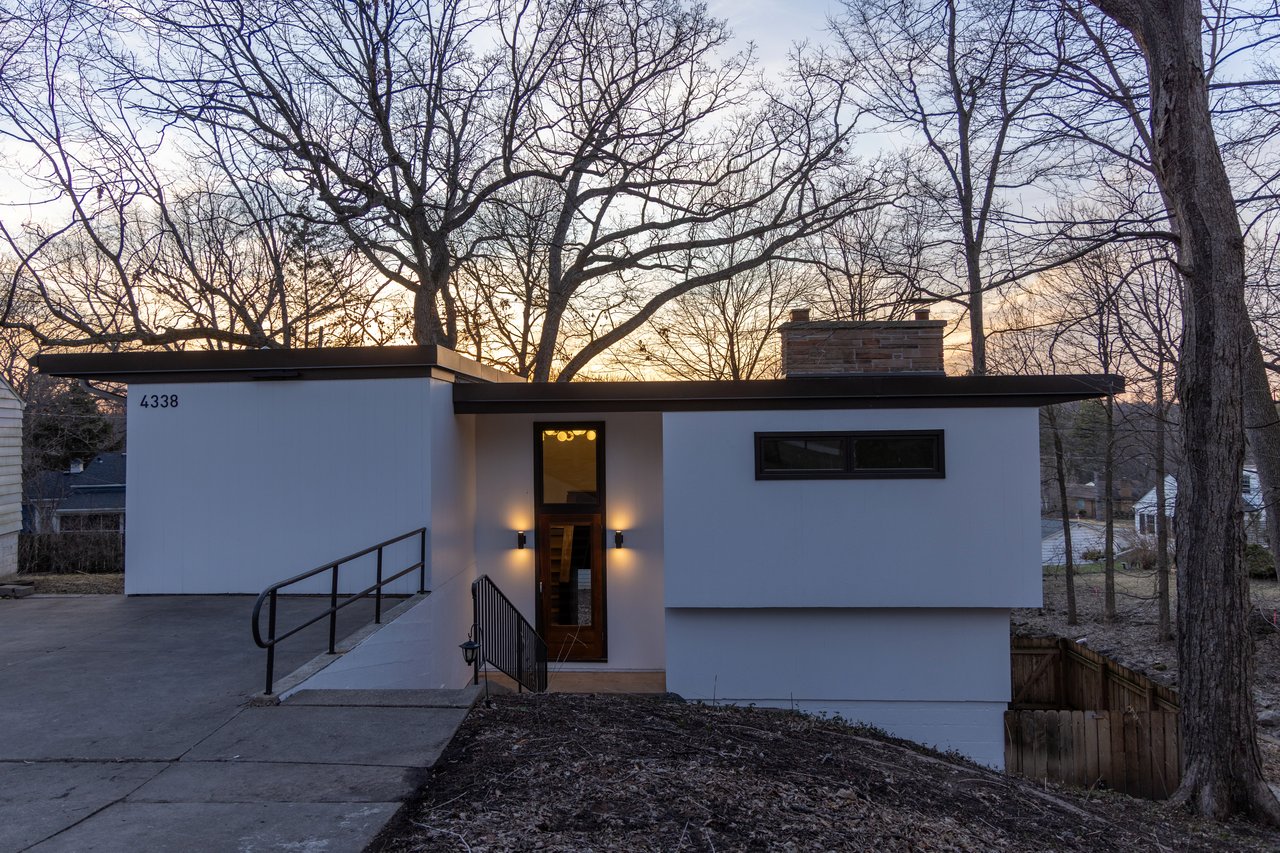
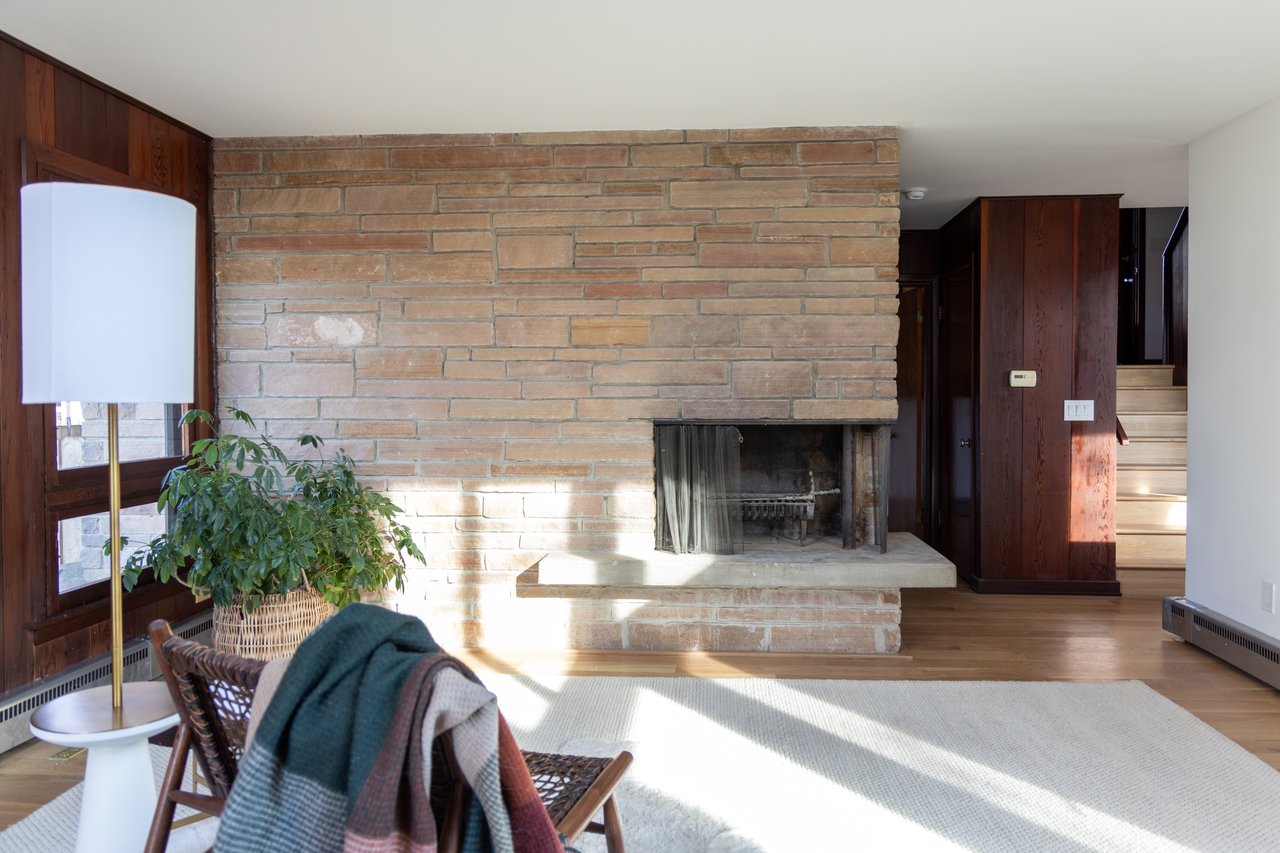
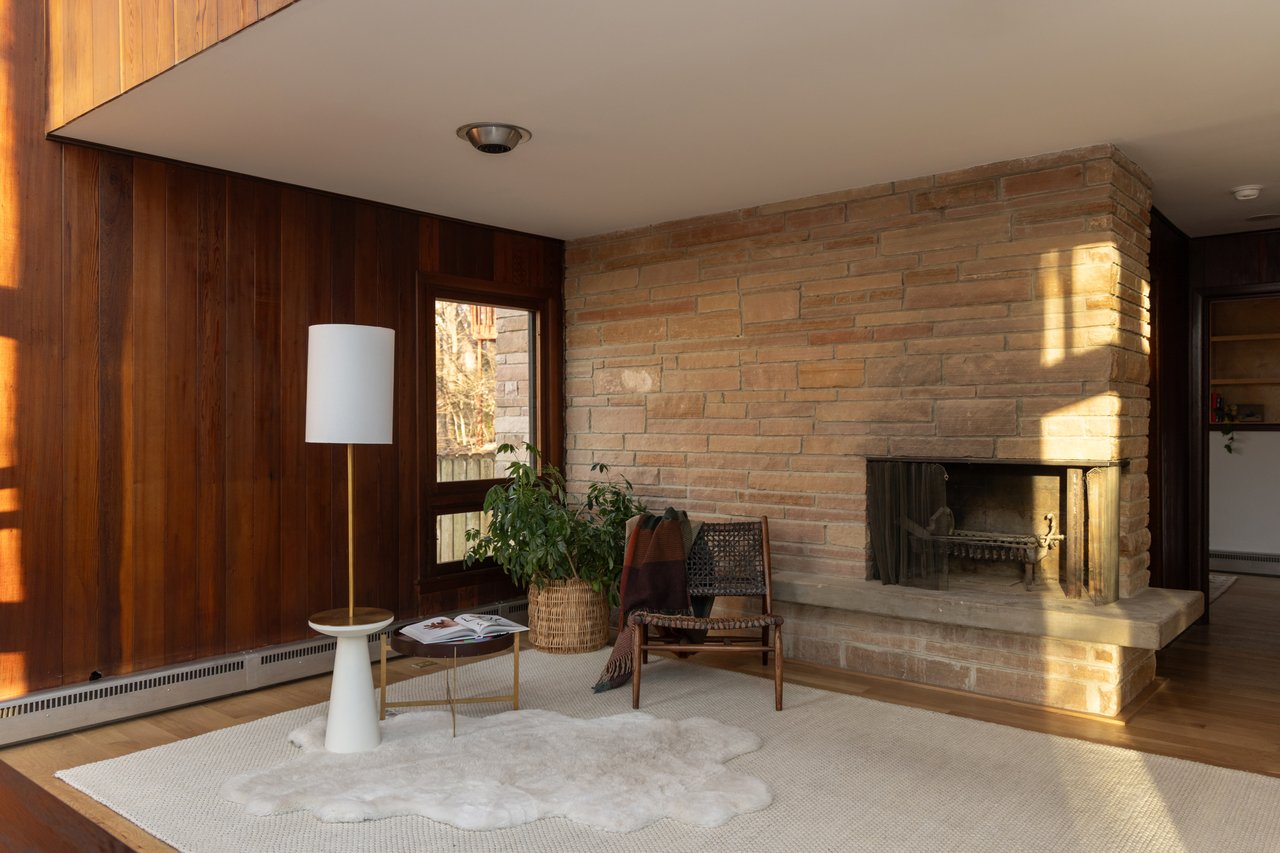
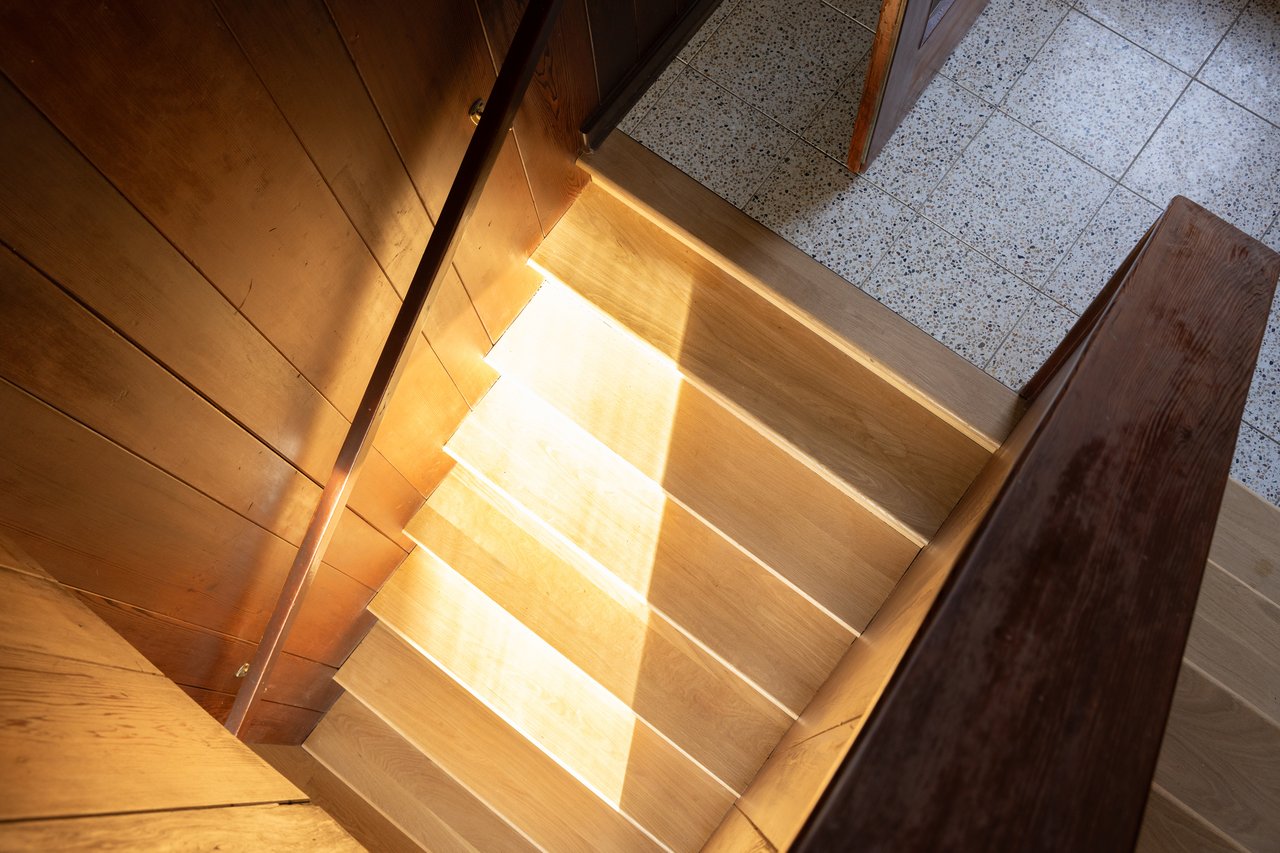
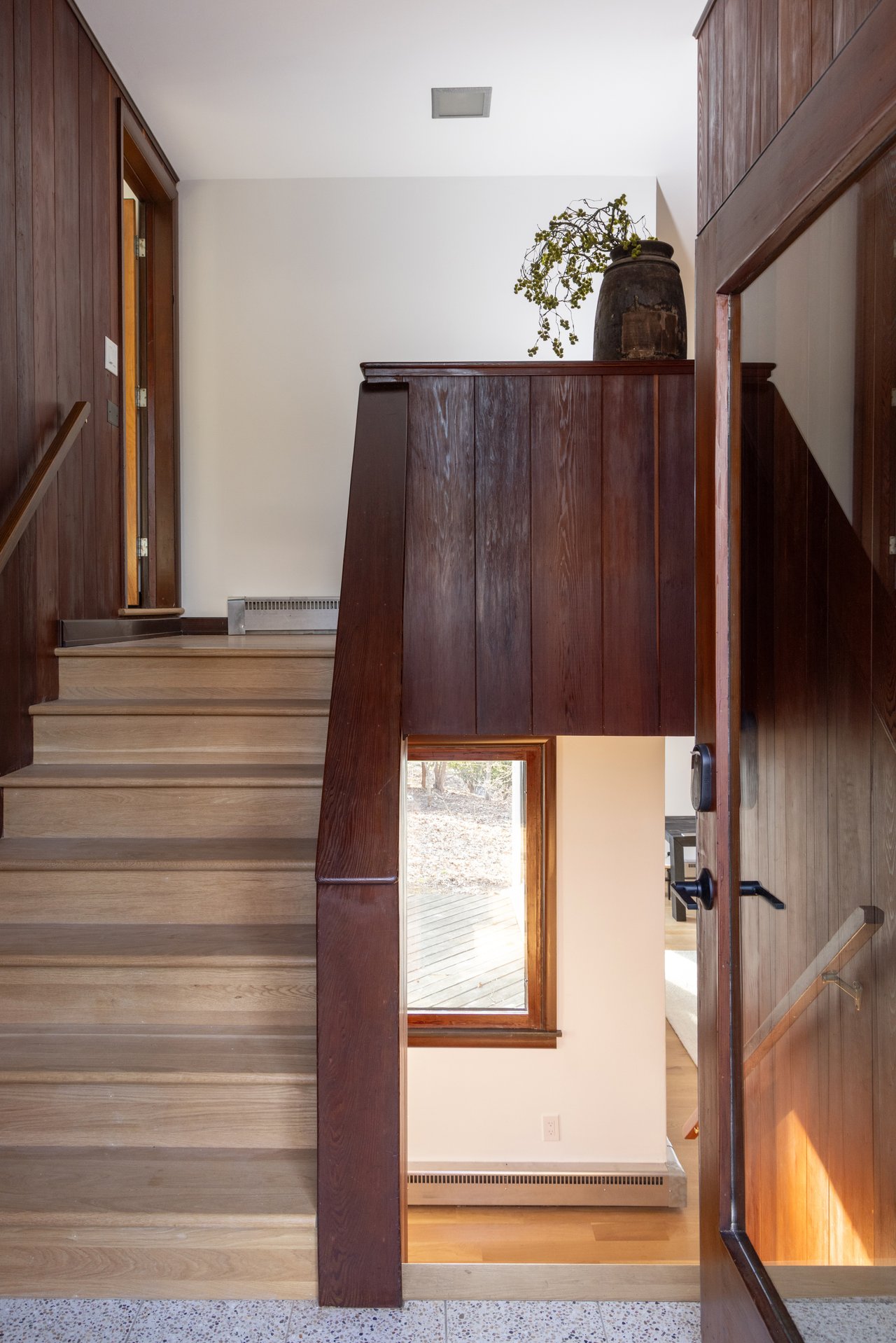
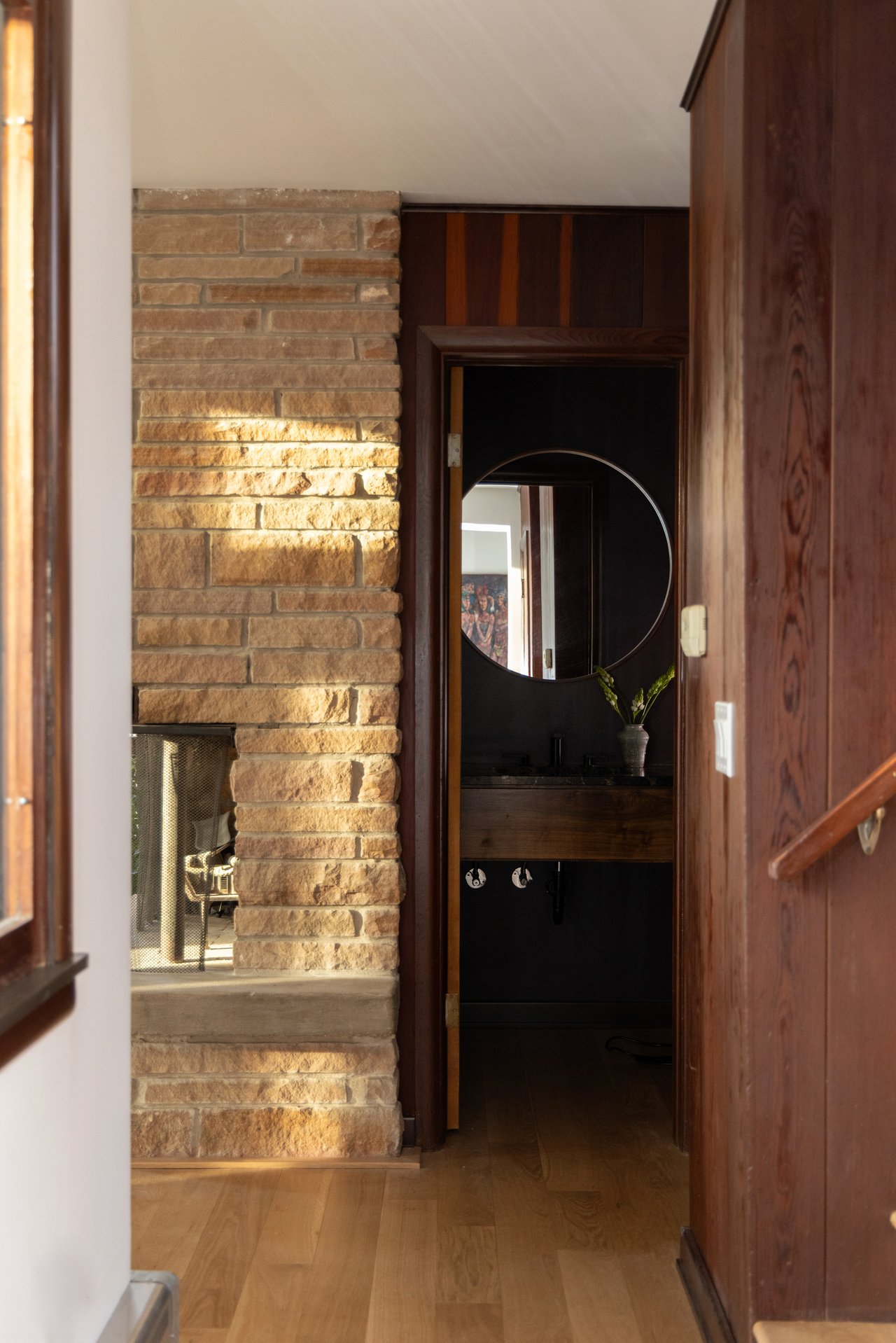
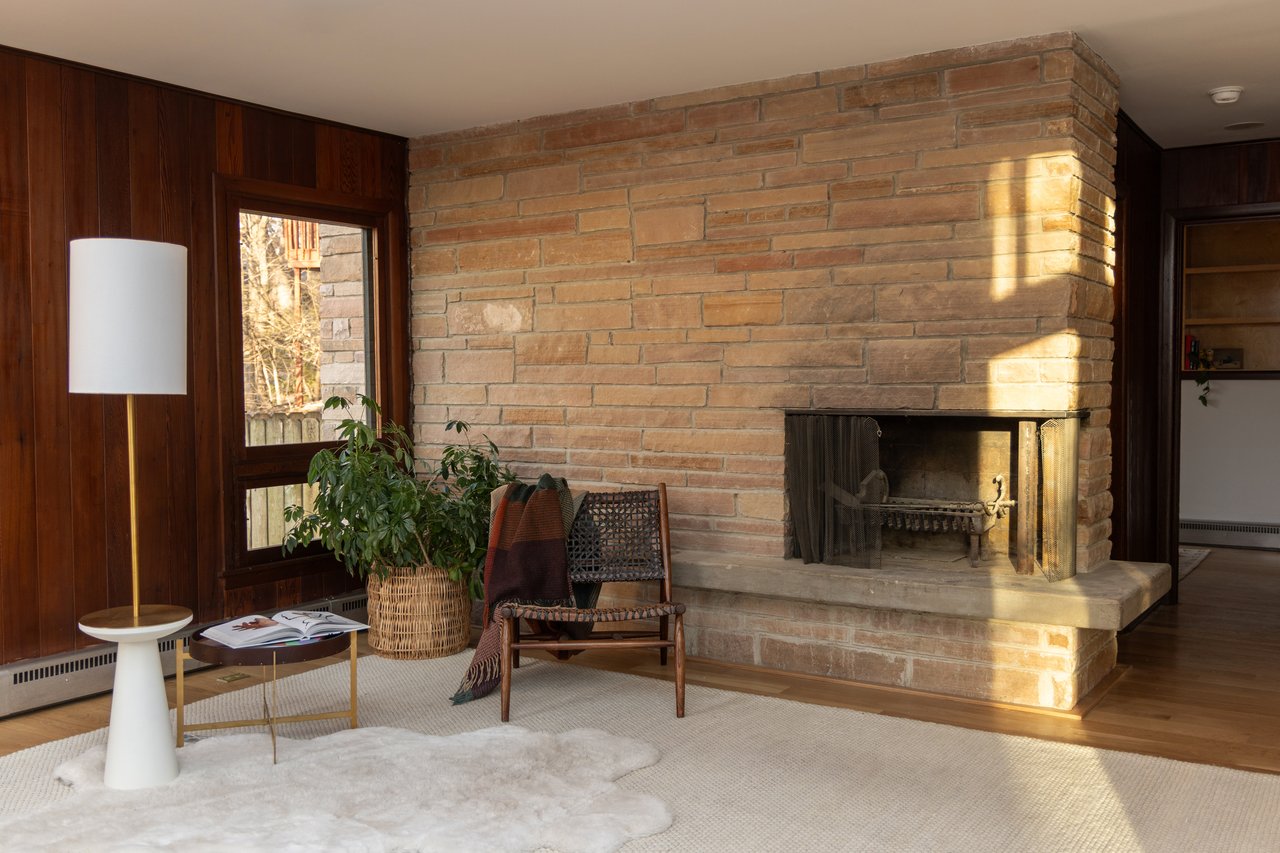
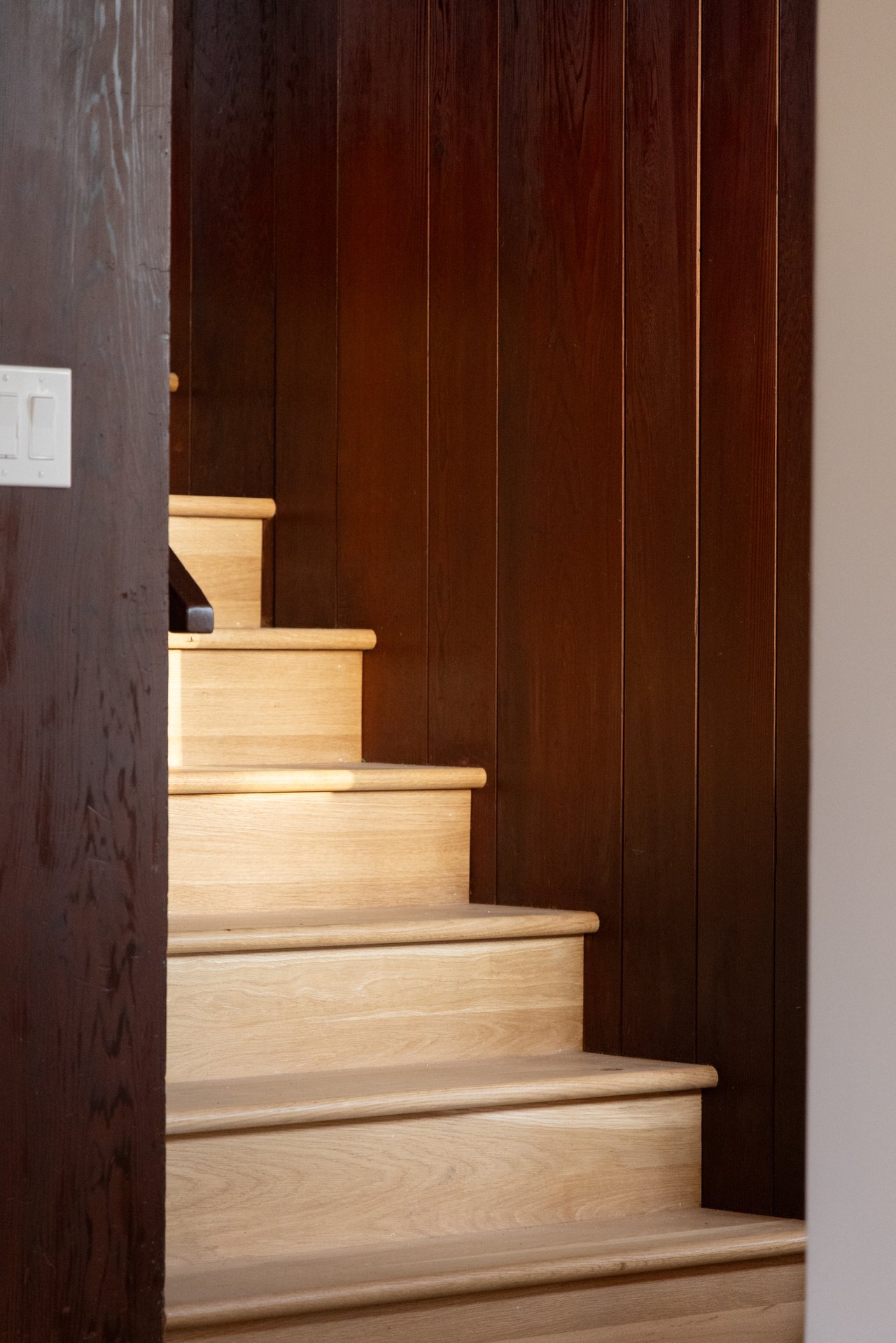
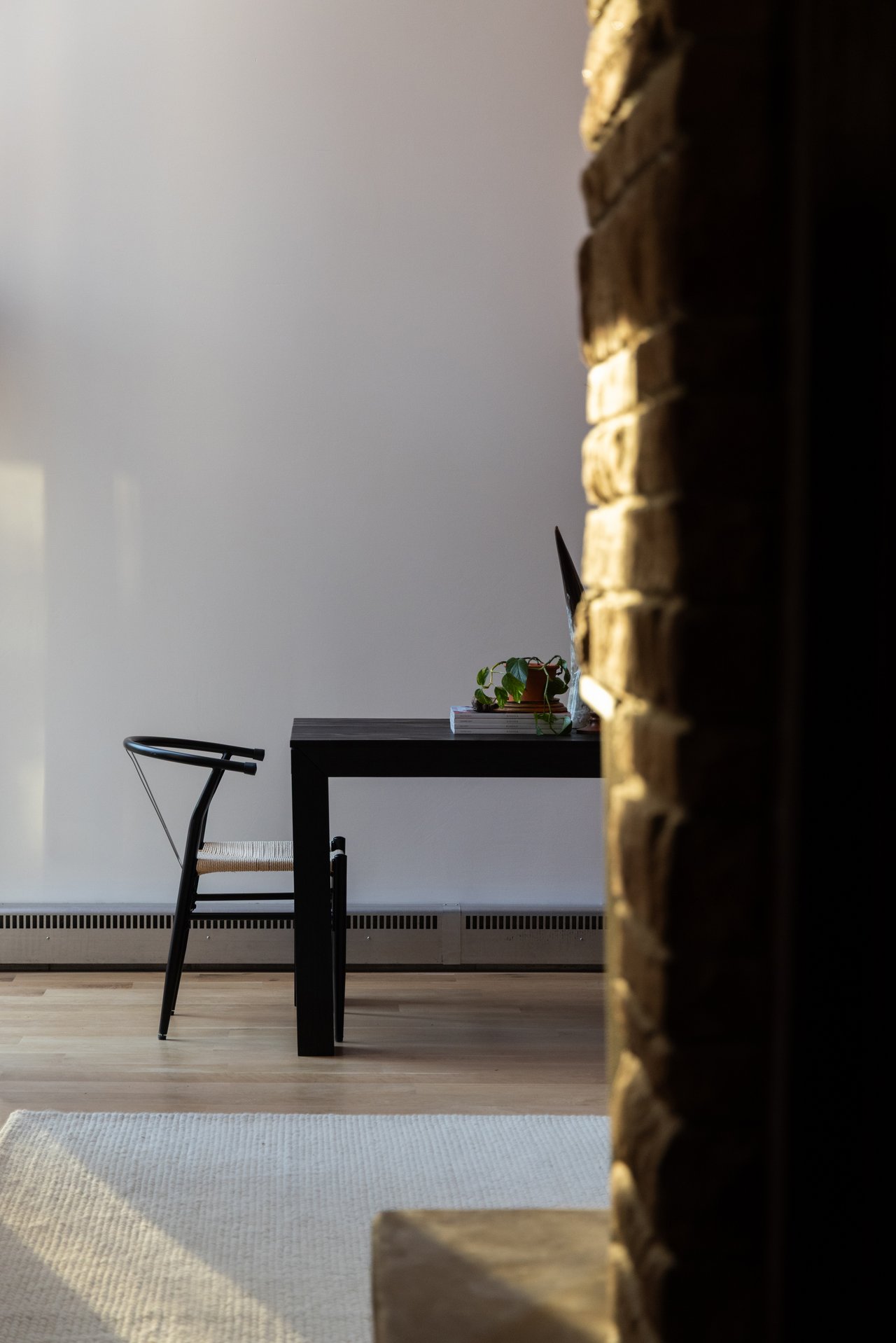
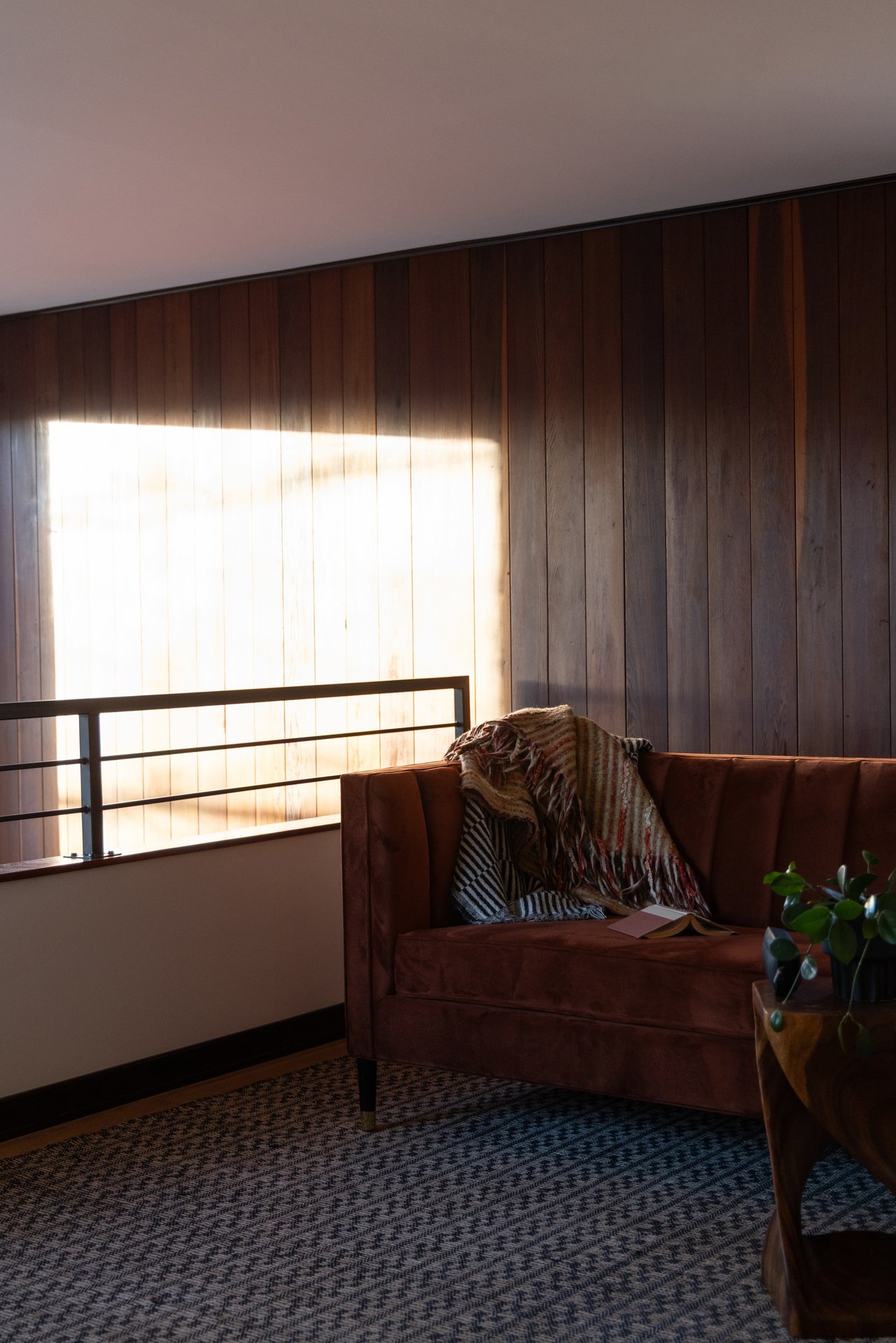
4338 Upland Drive is a rare example of mid-century modern architecture left largely as it was meant to be — original redwood paneling, terrazzo entry, sandstone brick fireplace, and windows designed to make a wooded lot feel like the interior of the house. The bones have never been compromised. The light has always been the point.
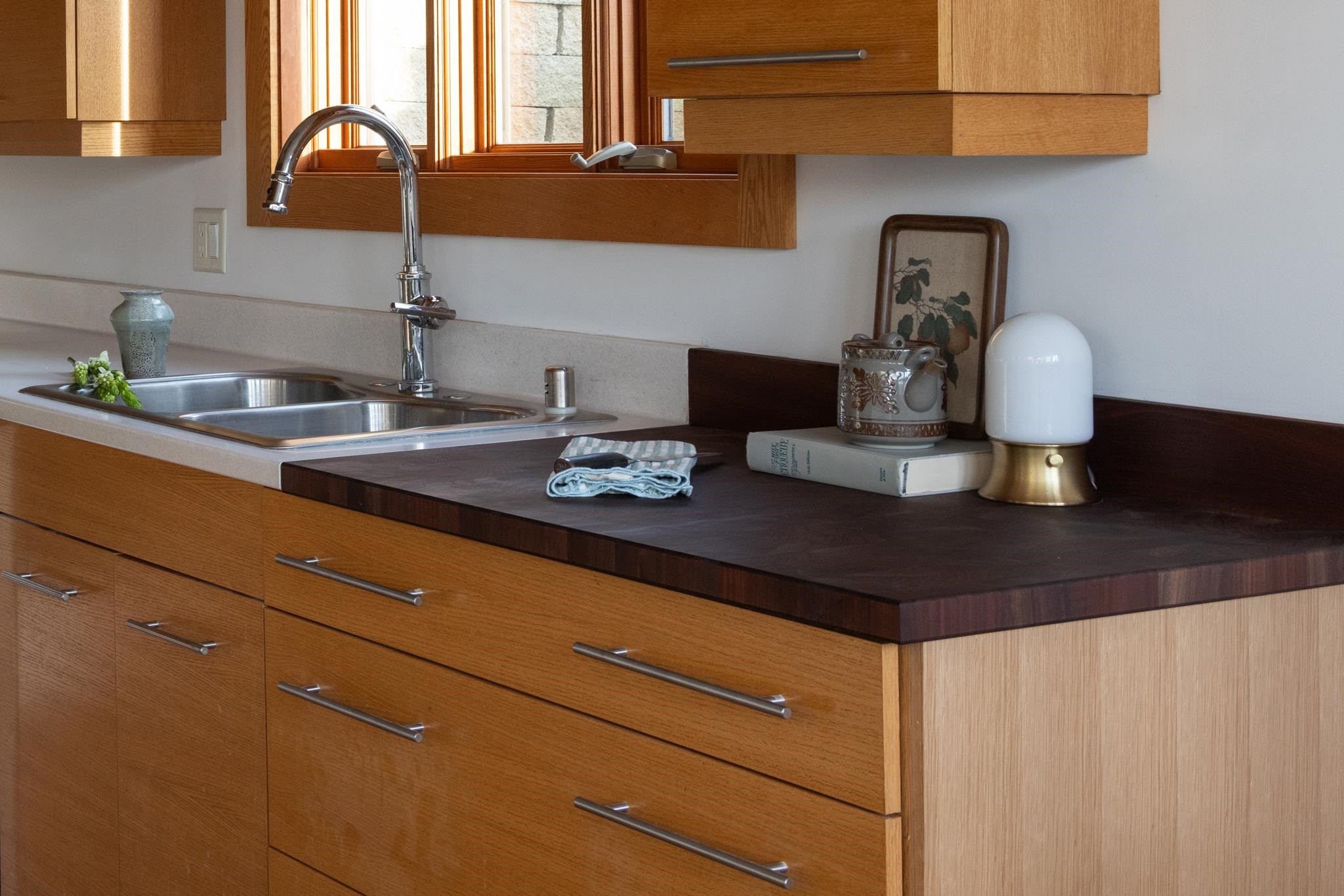
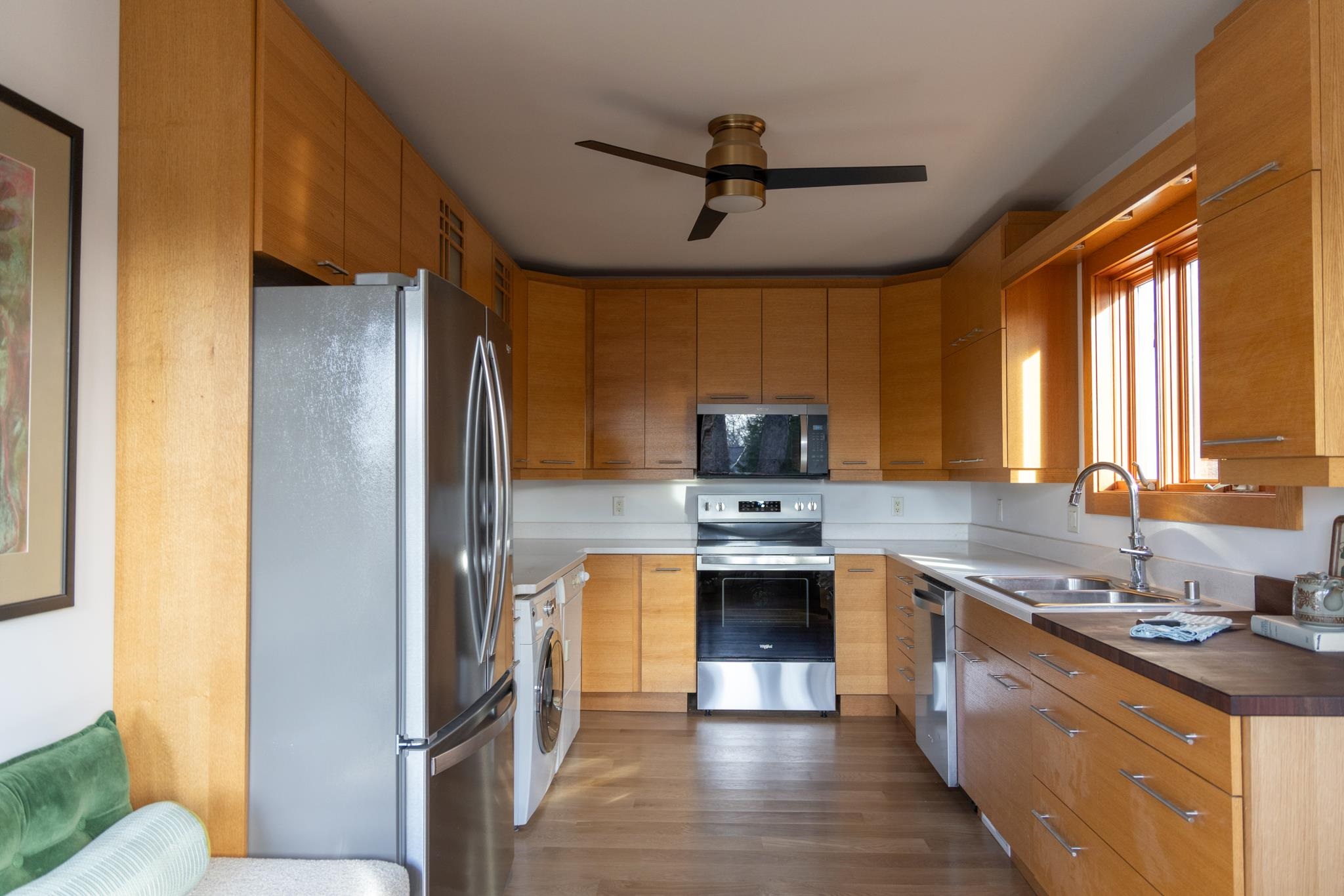
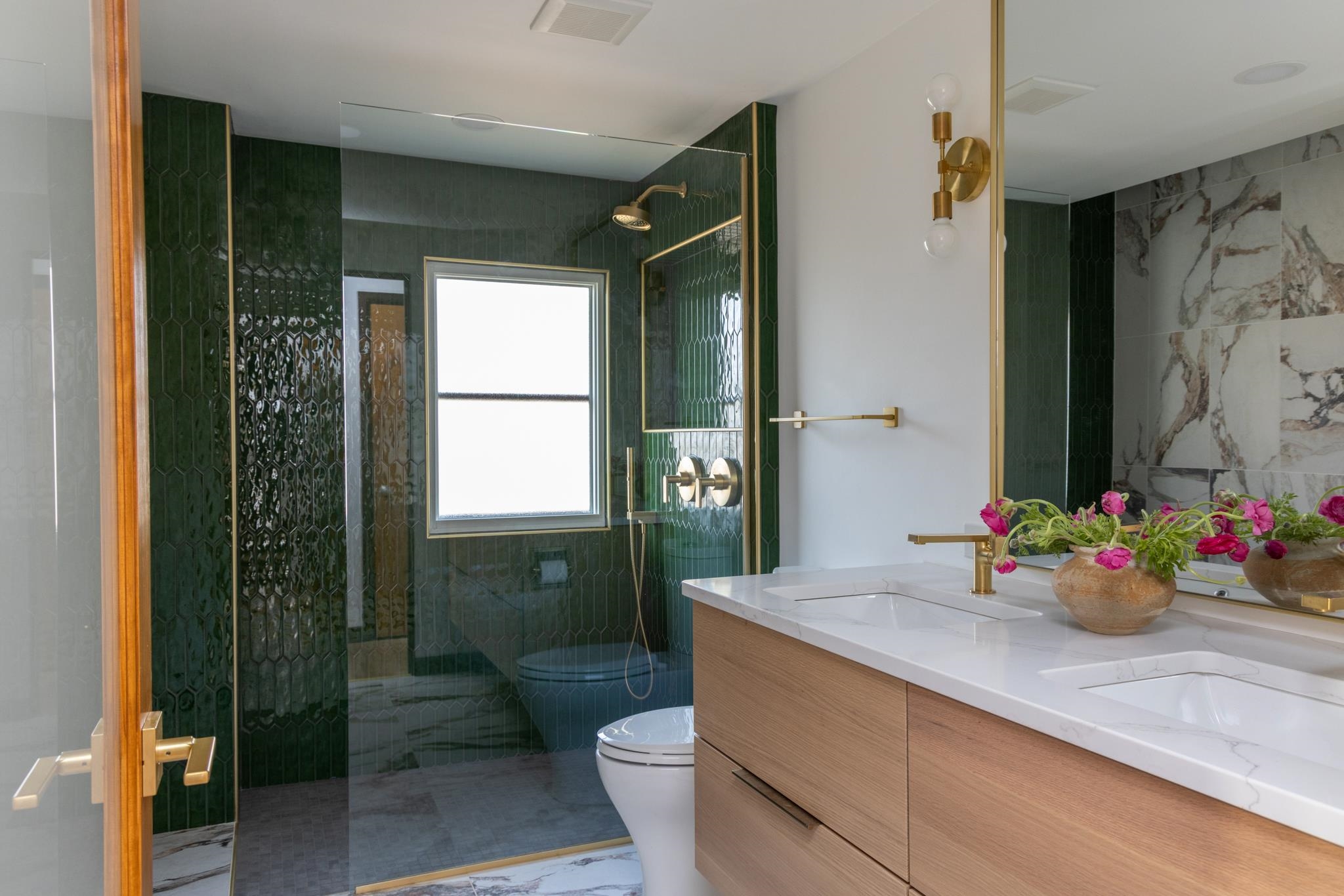
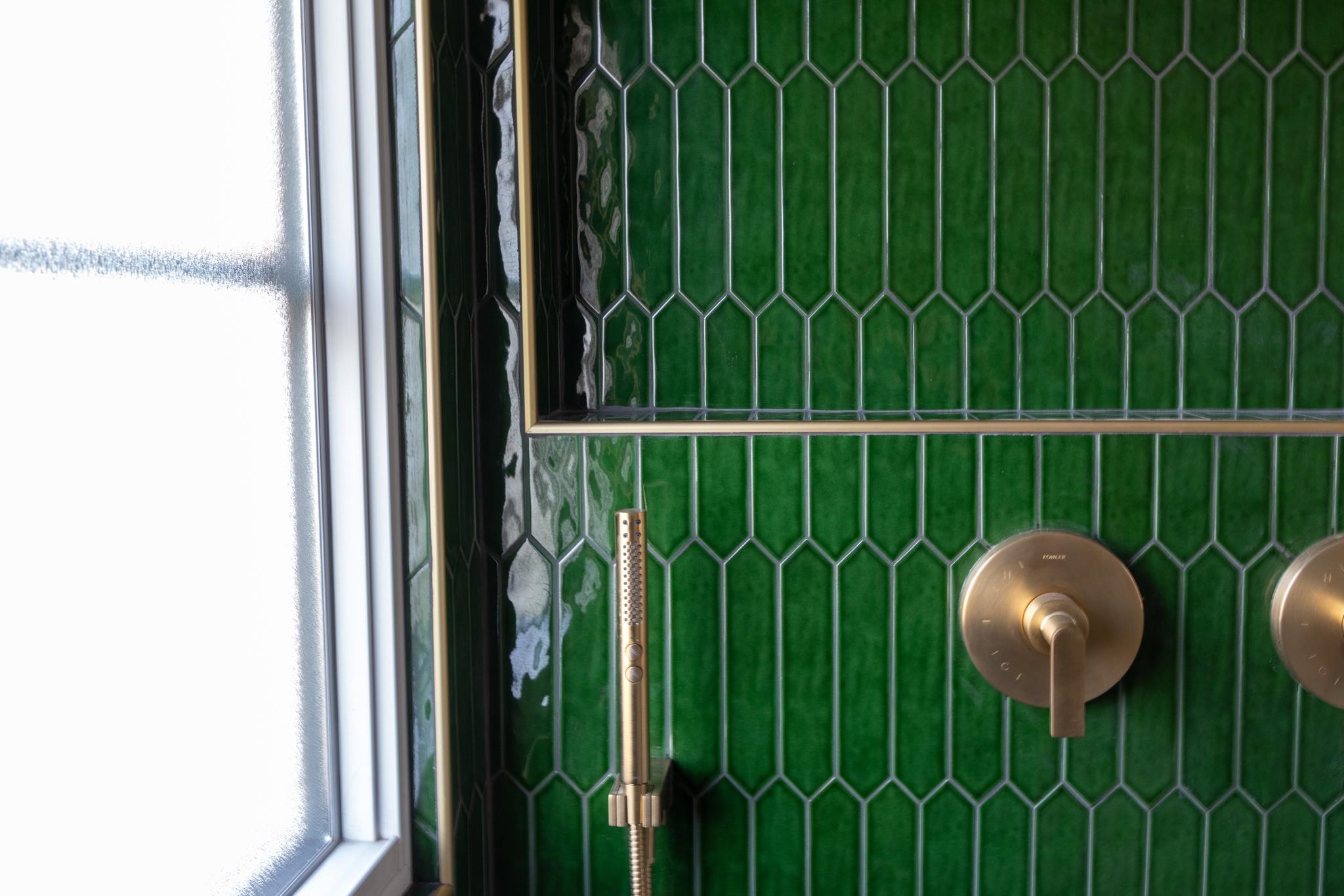
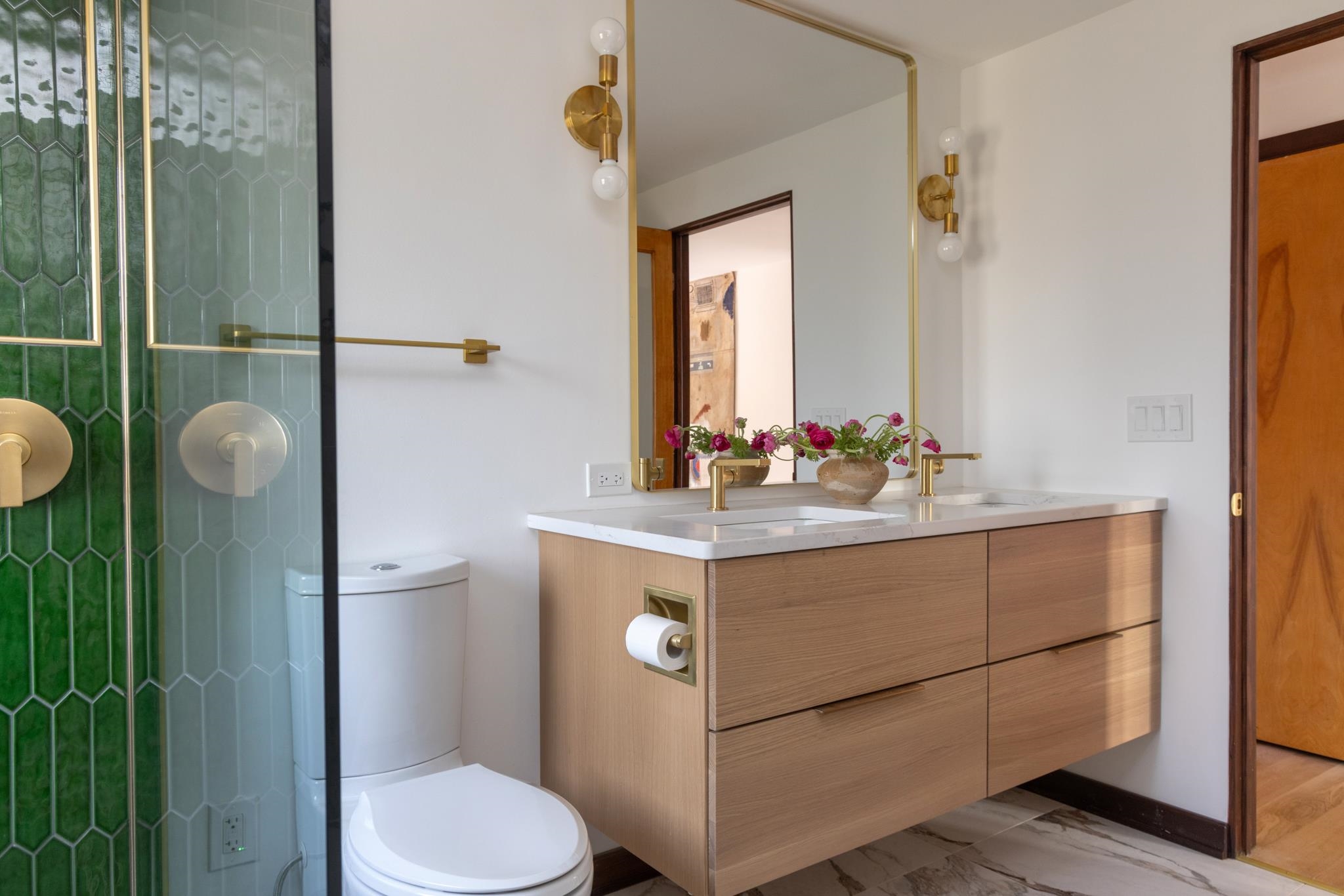
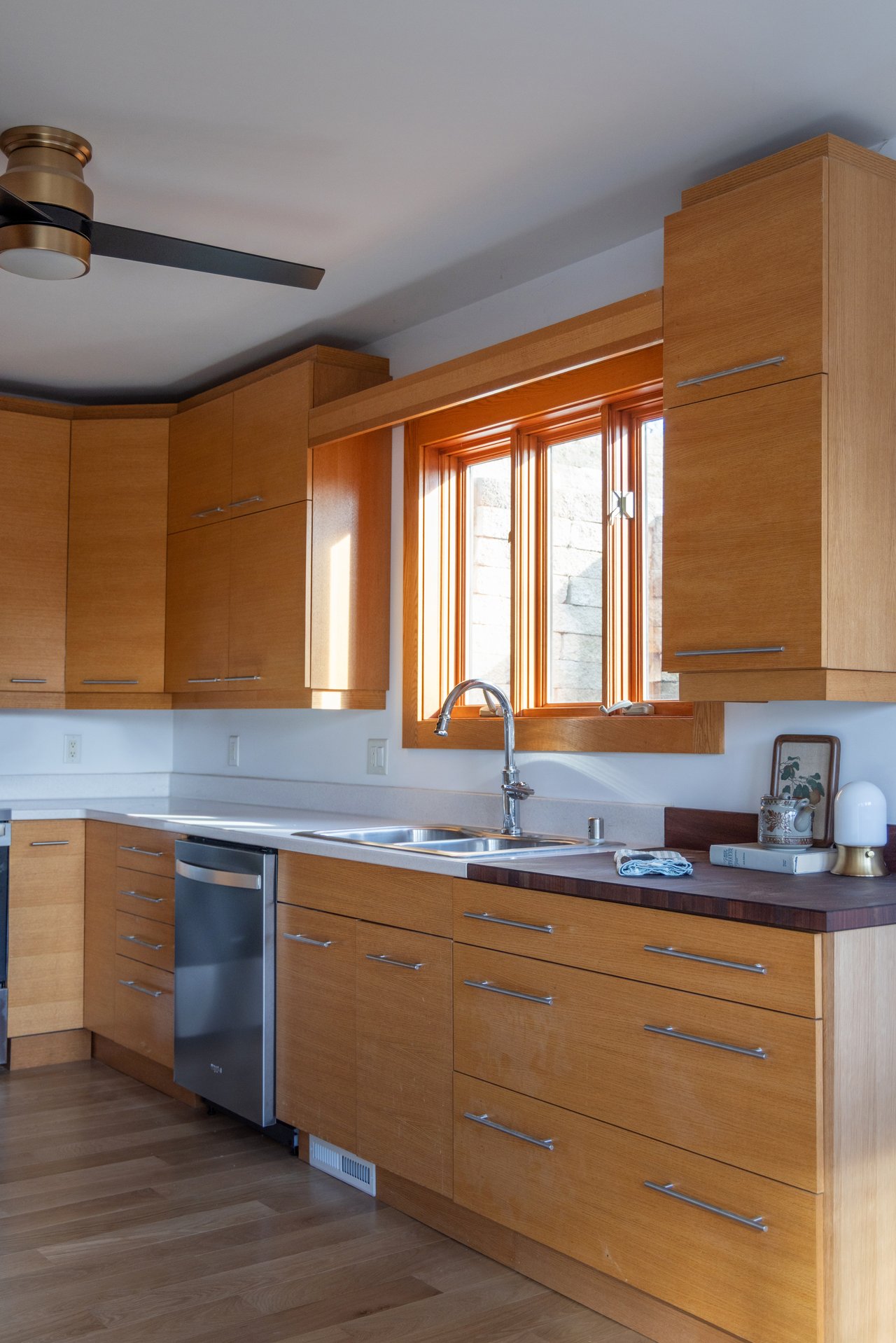
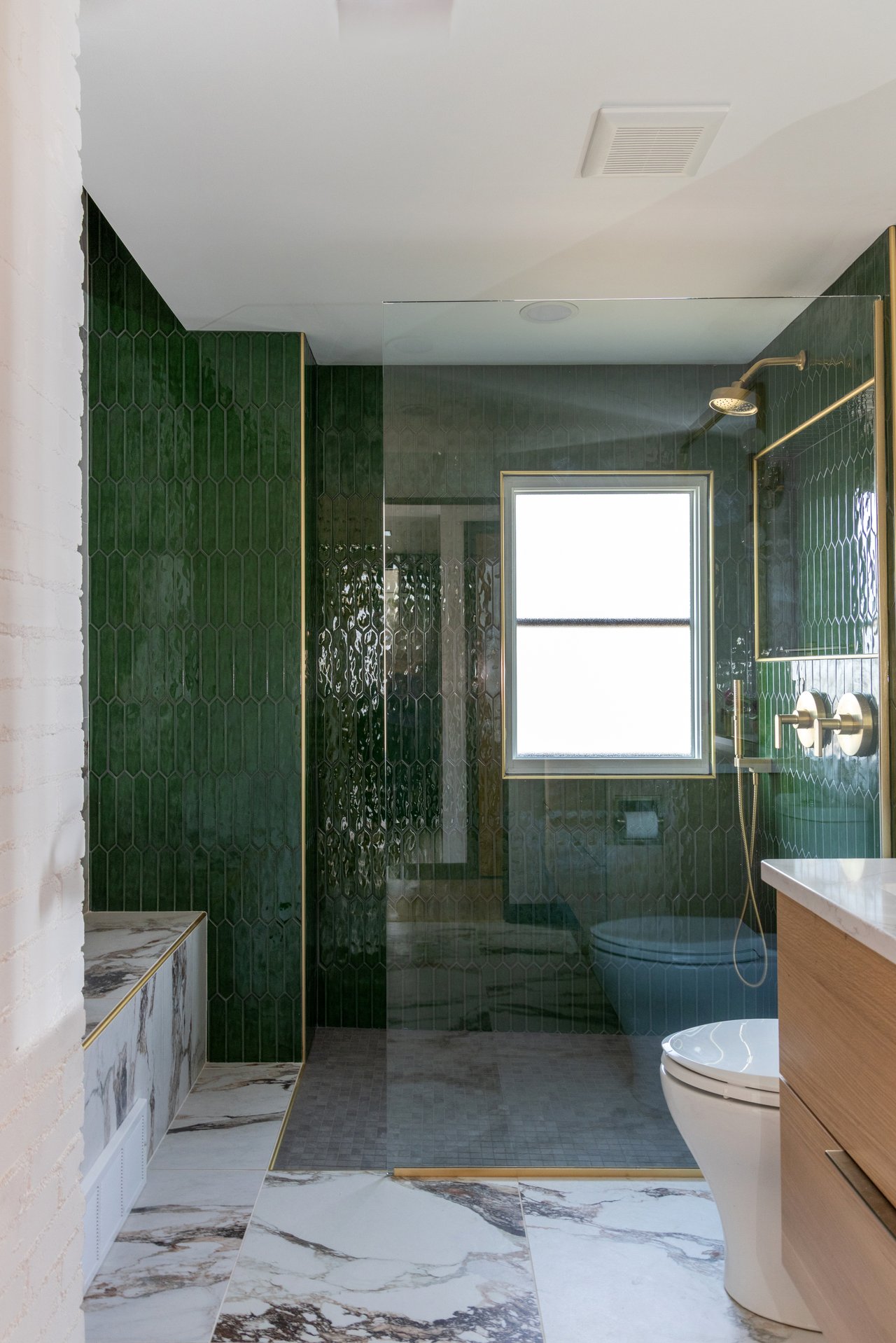
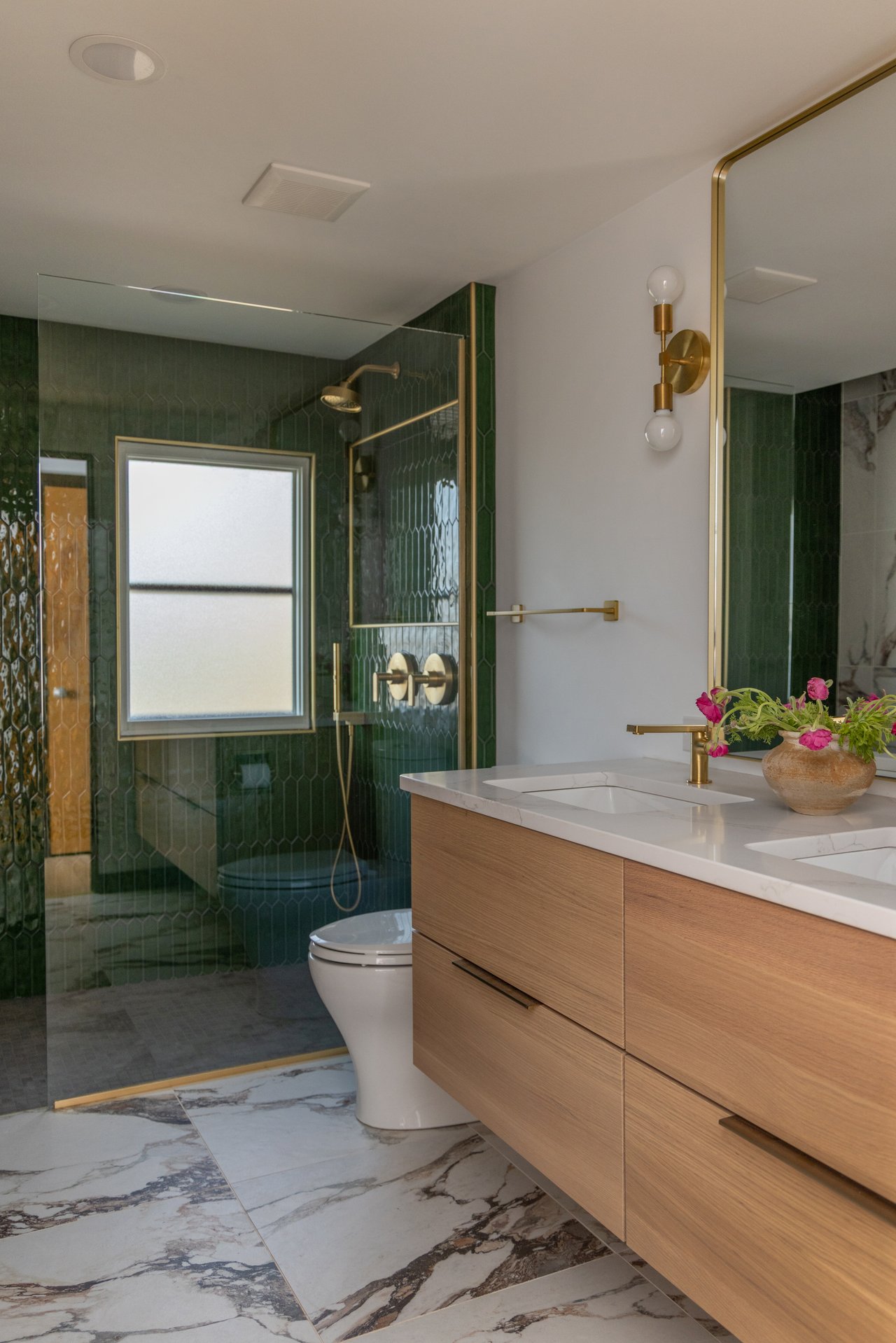
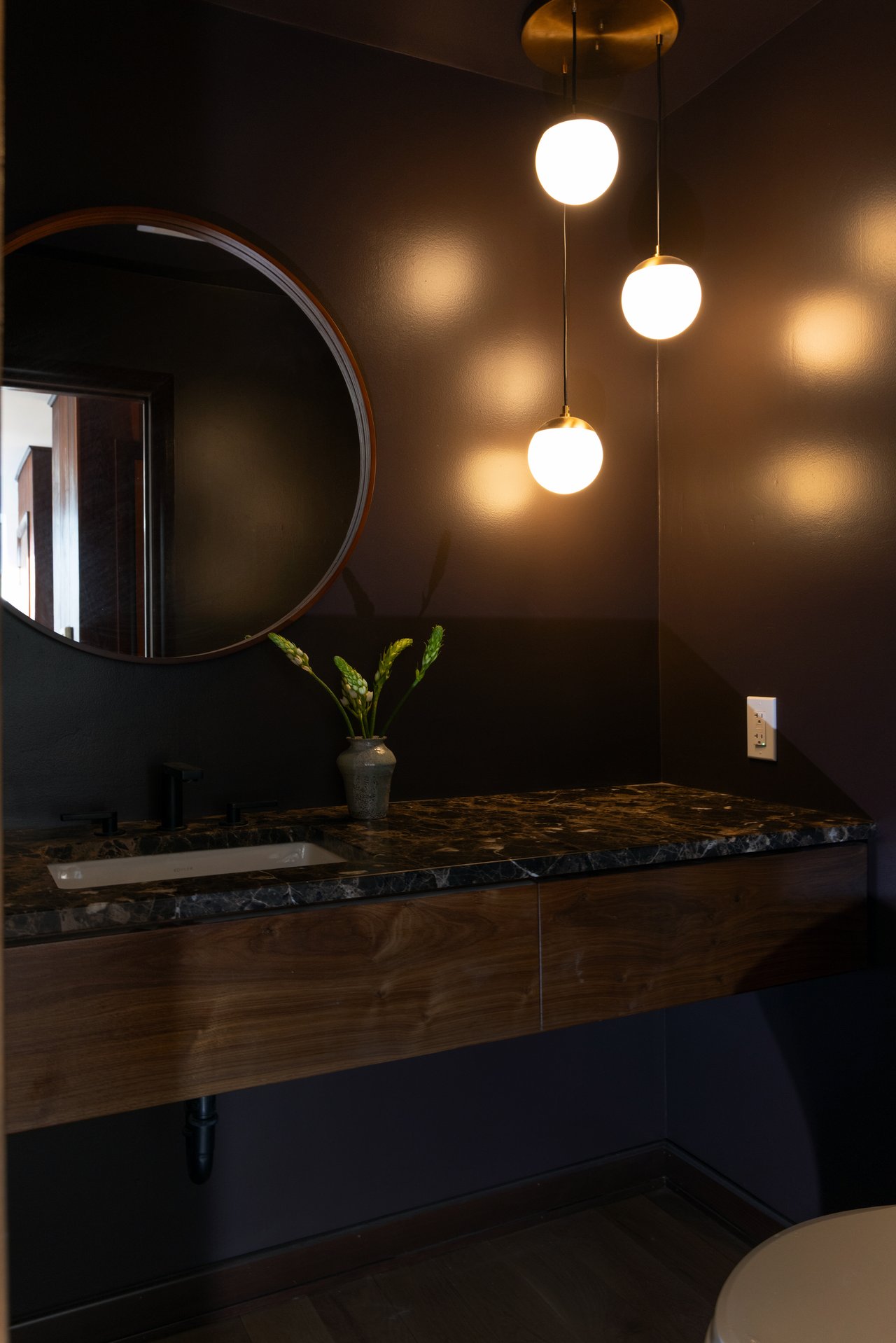
Thoughtfully updated where it counts and untouched where it matters, this is a home for someone who understands the difference.
Currently offered at $575,000
DESIGNED FOR THE CANOPY
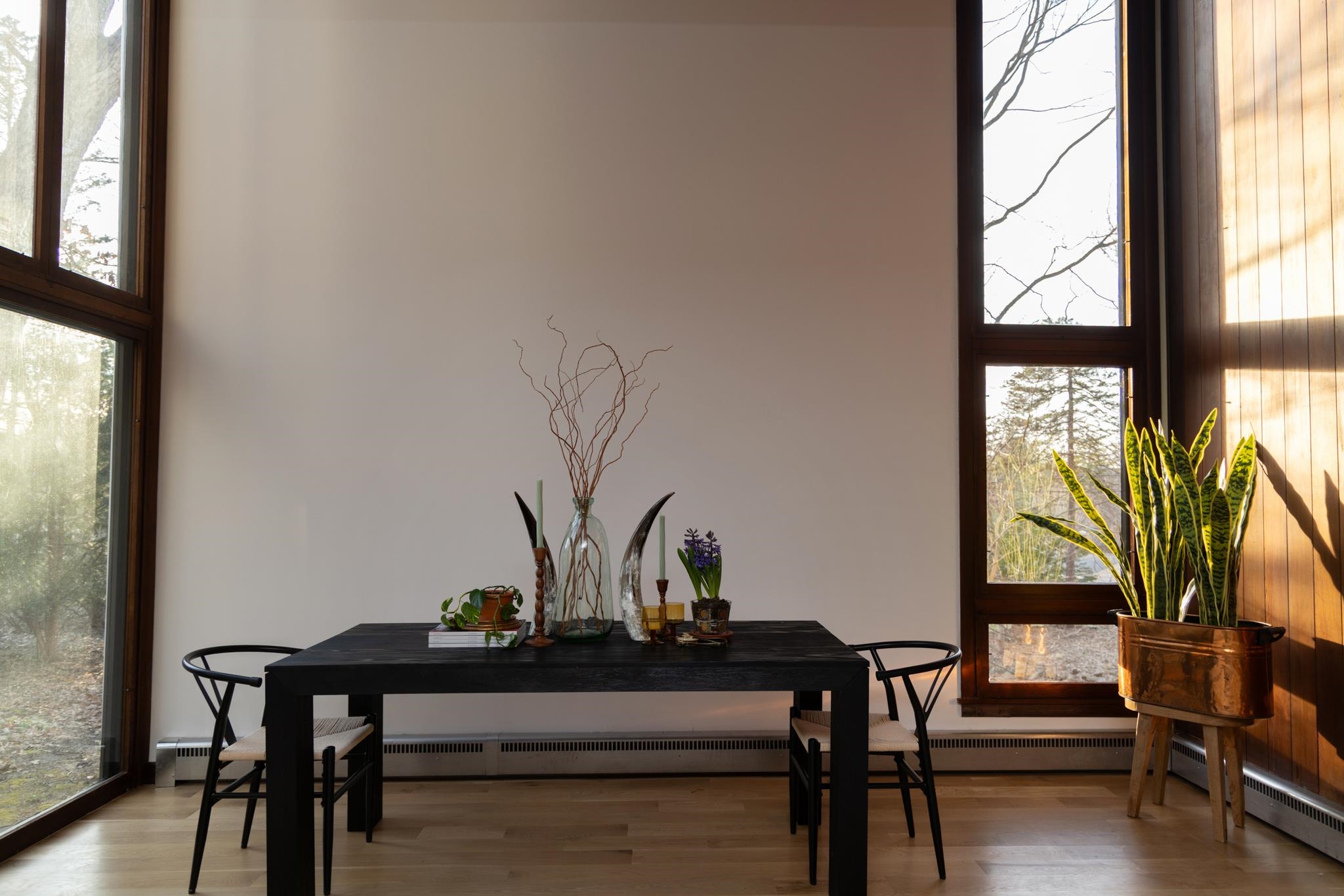
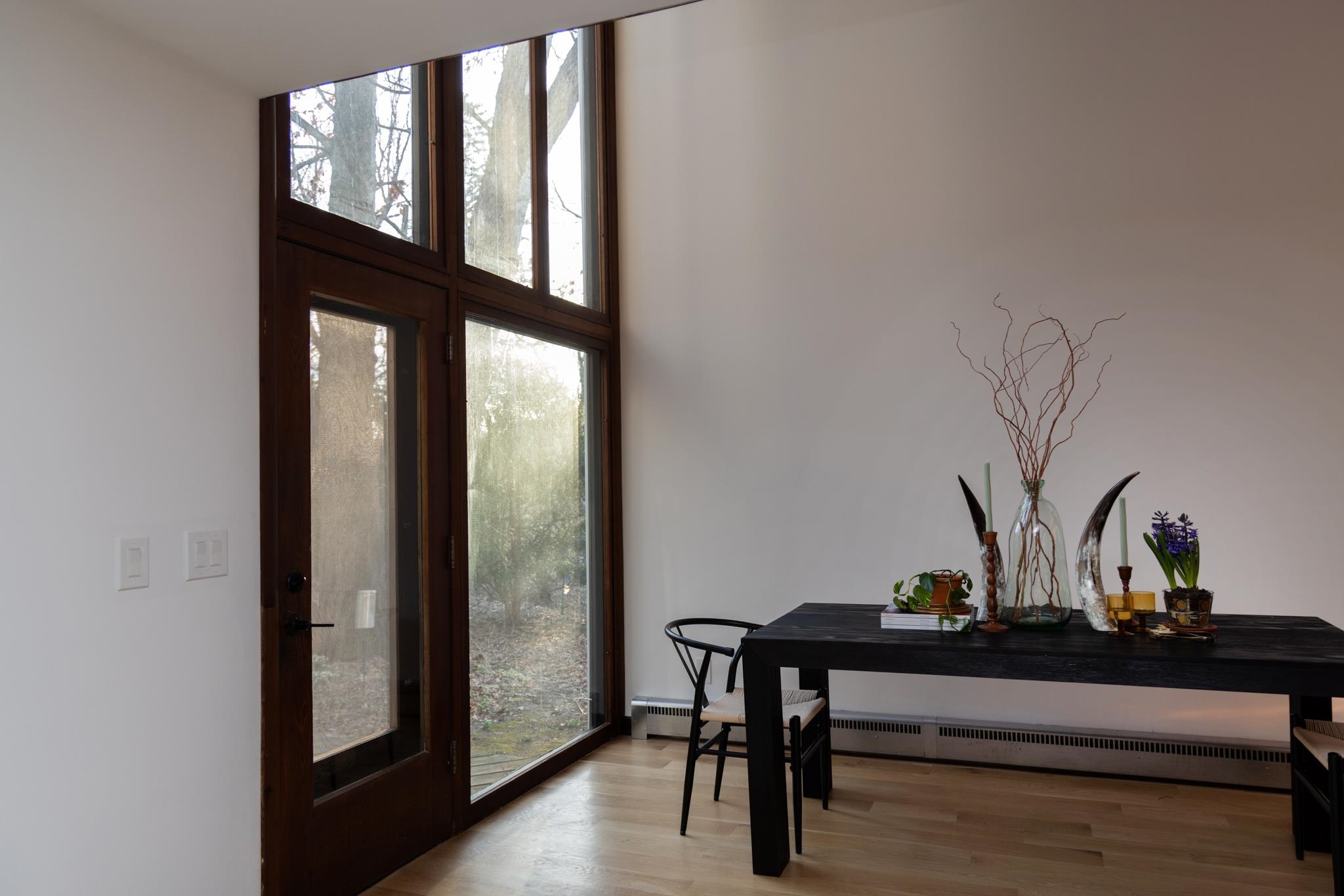
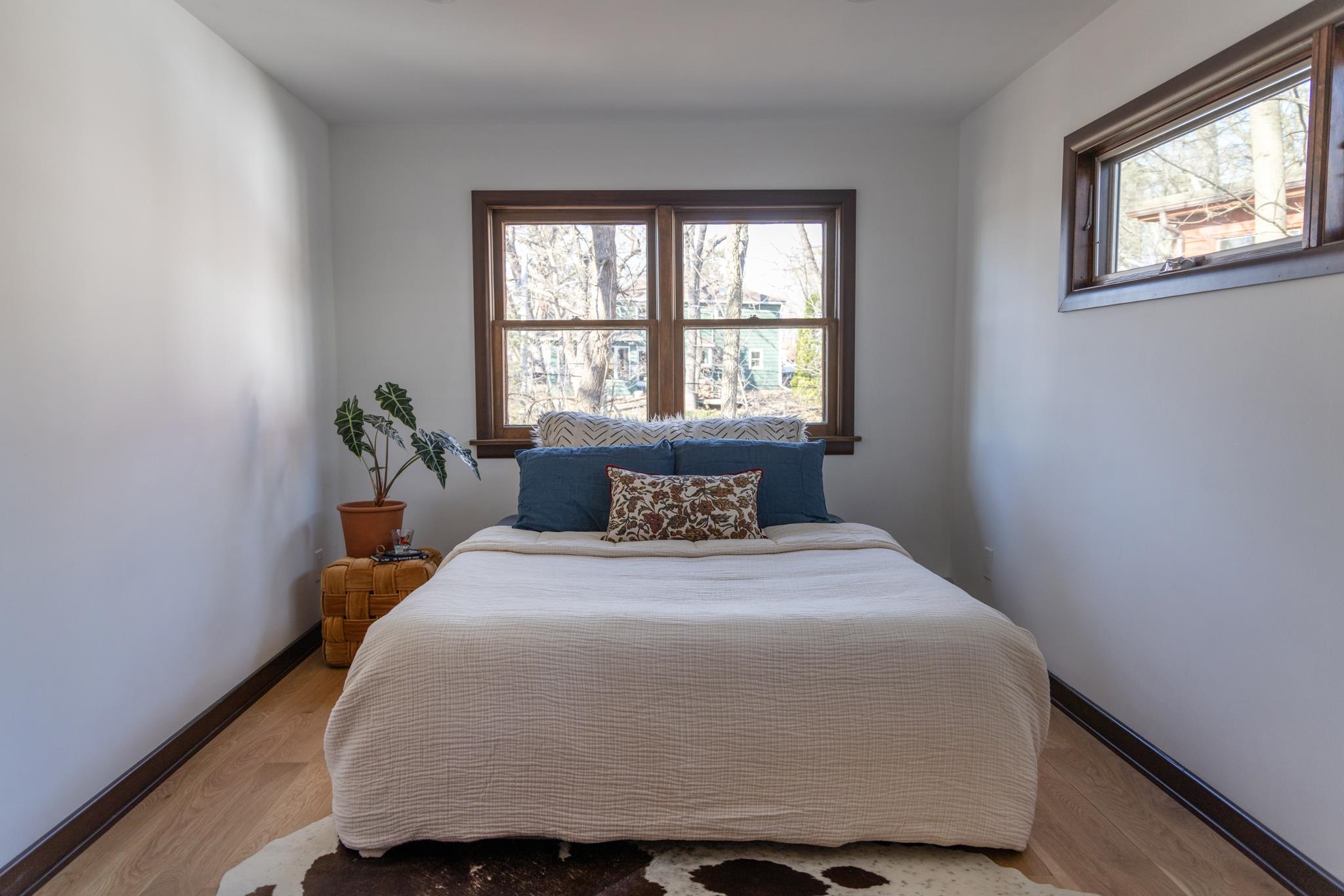
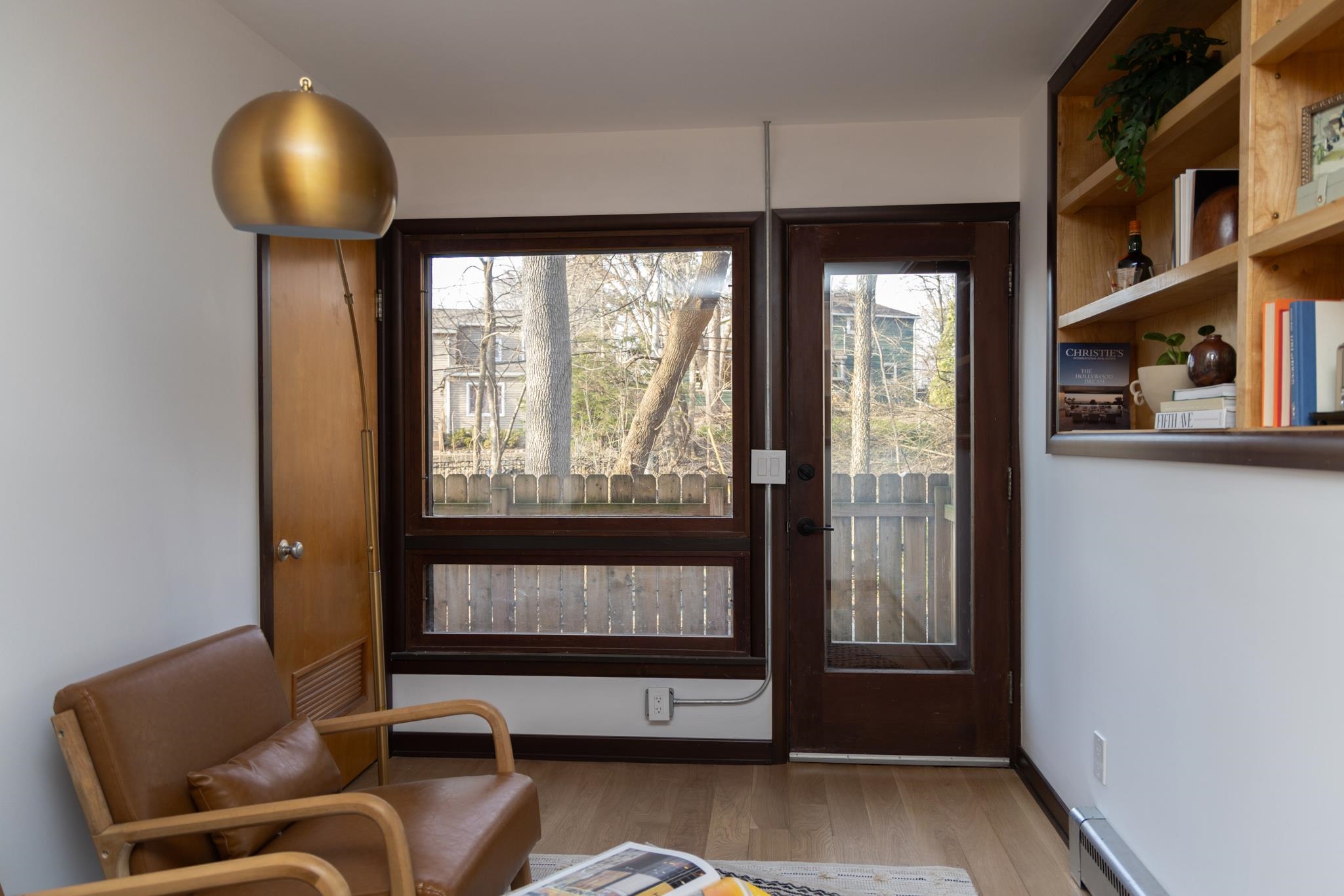
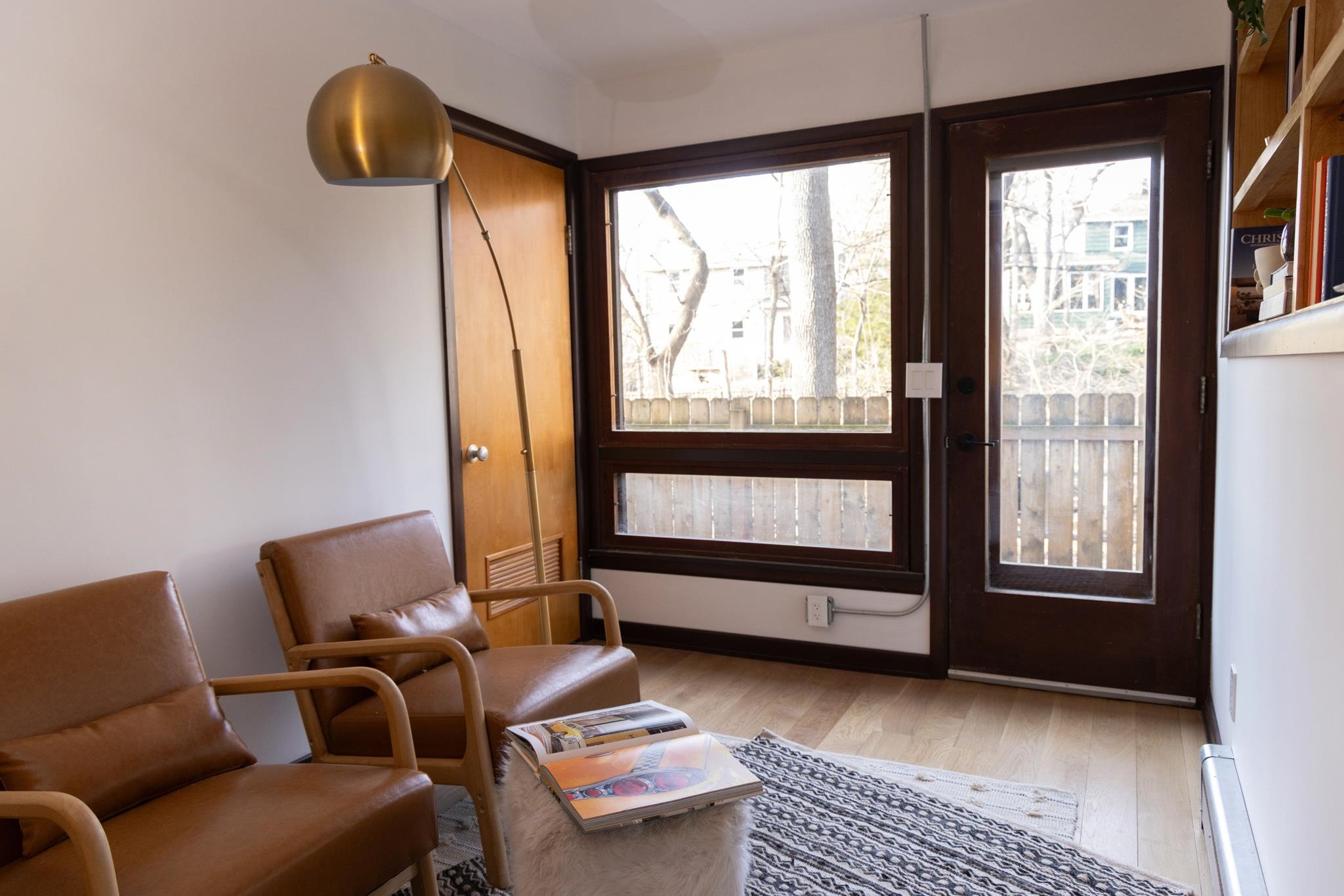
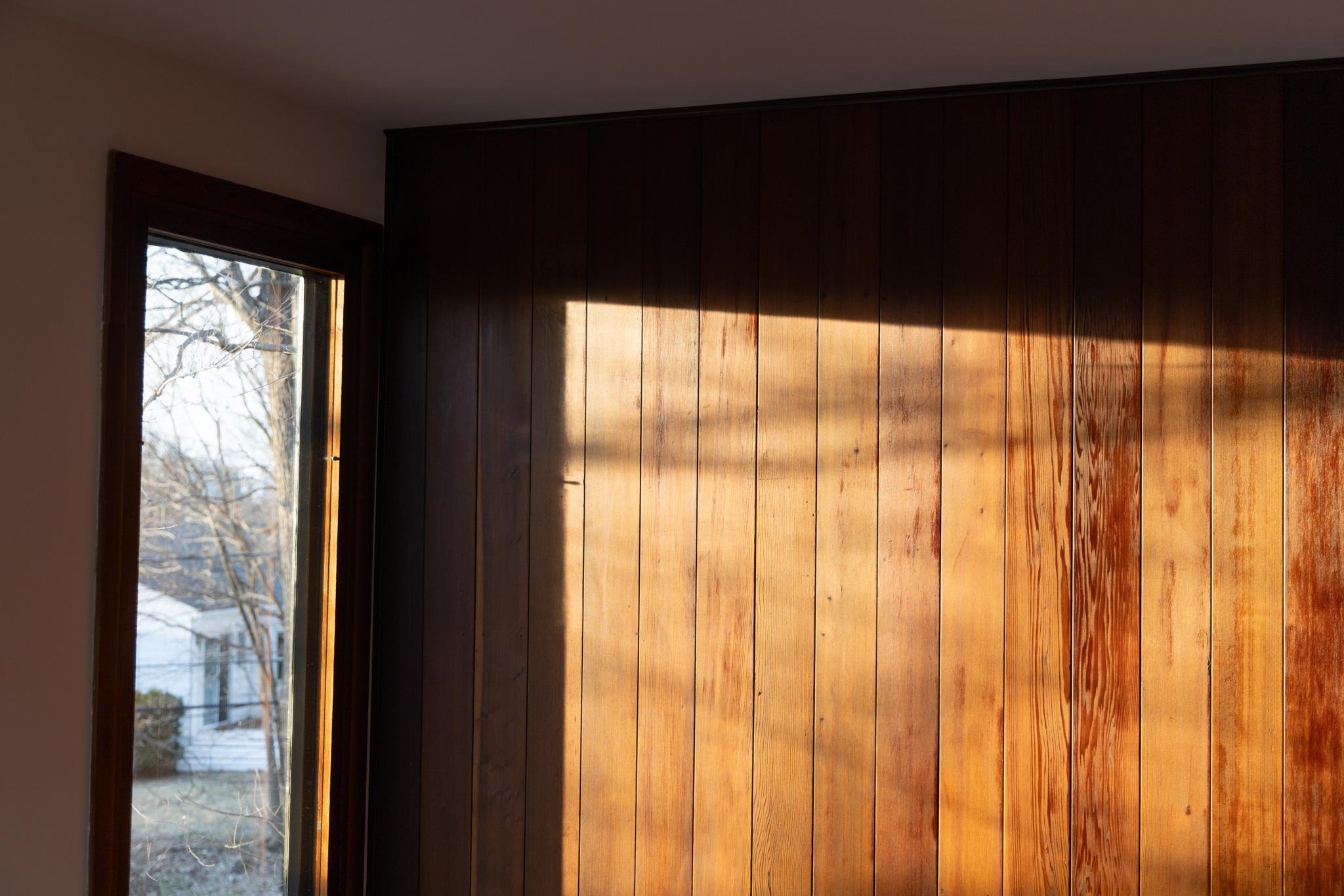
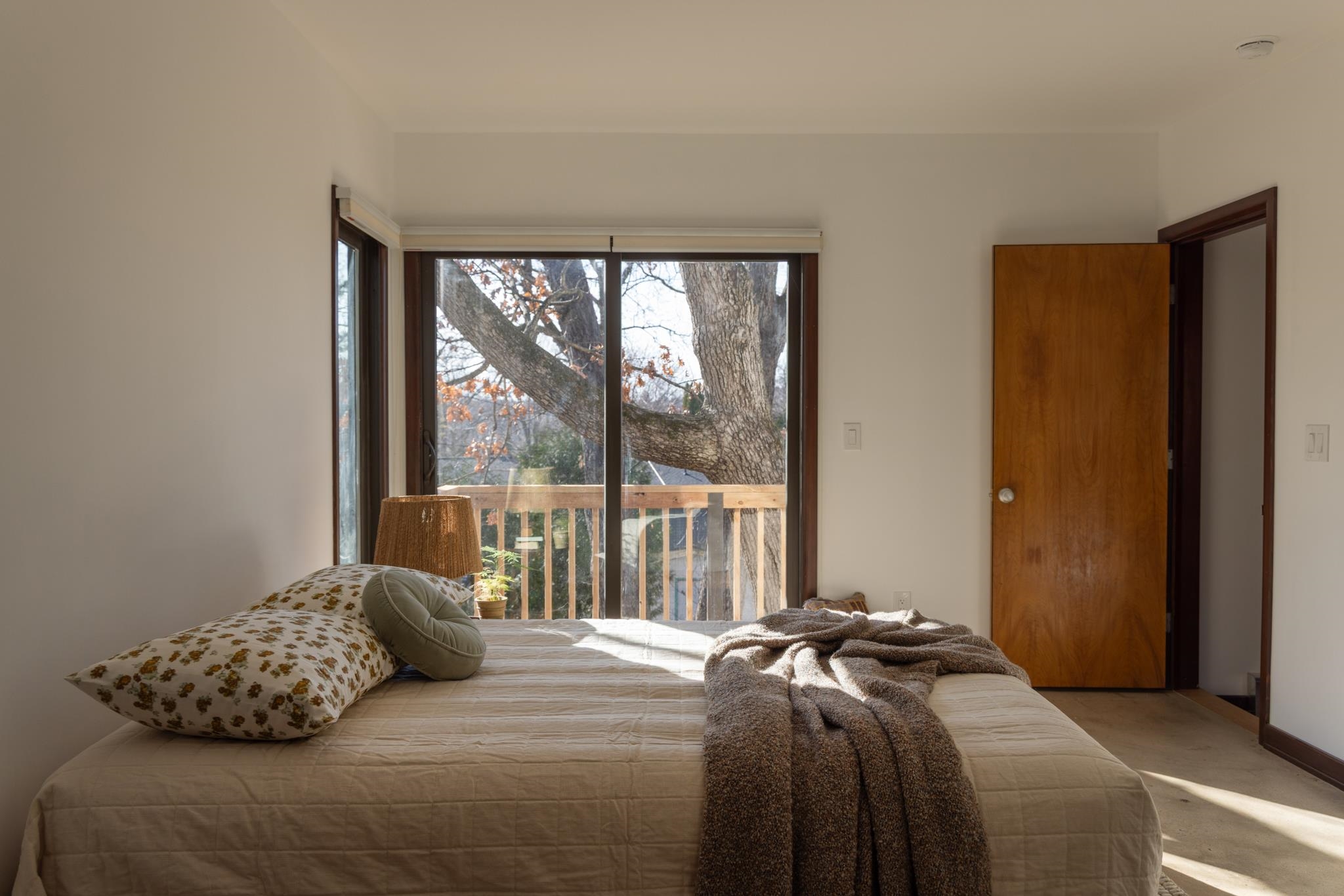
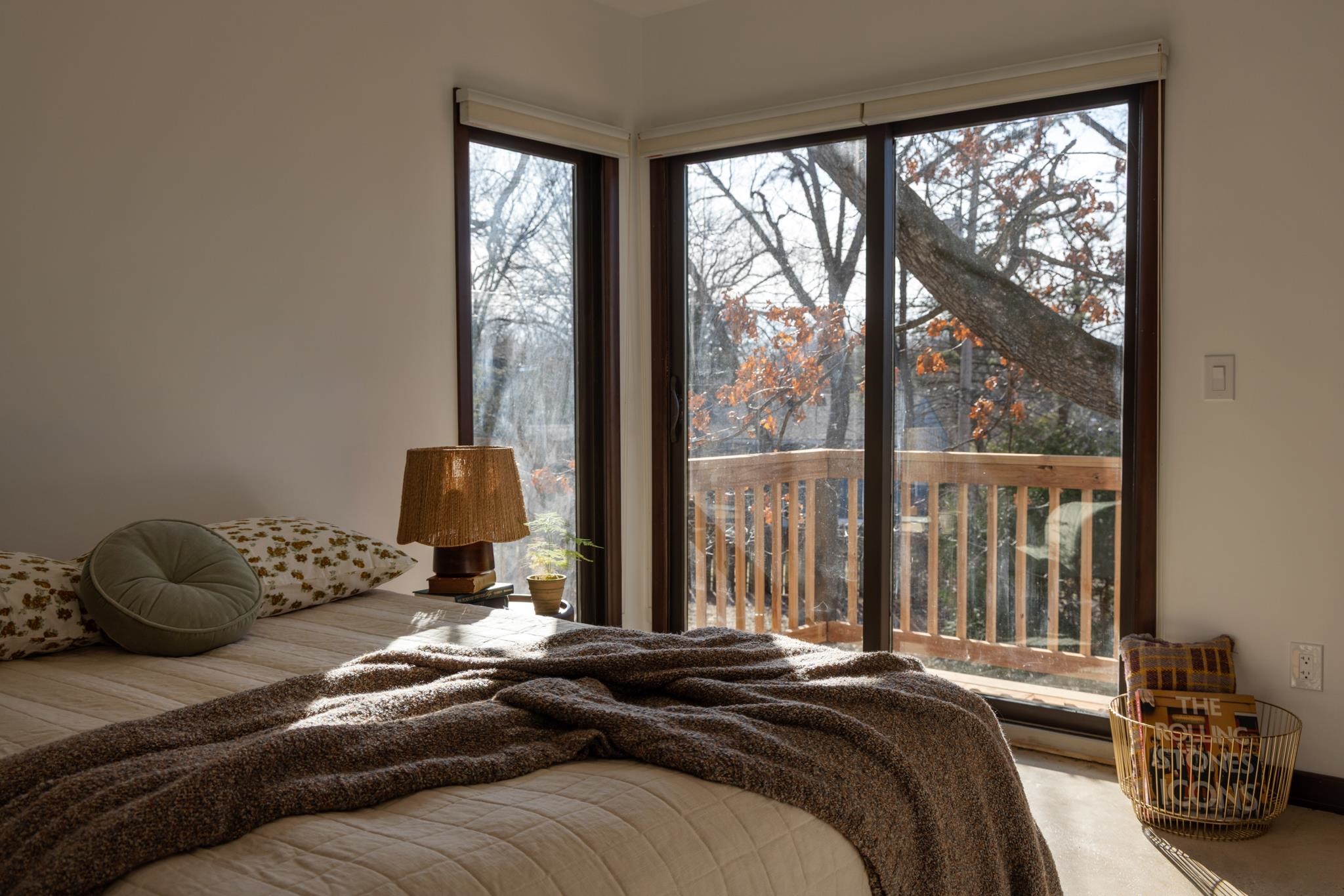
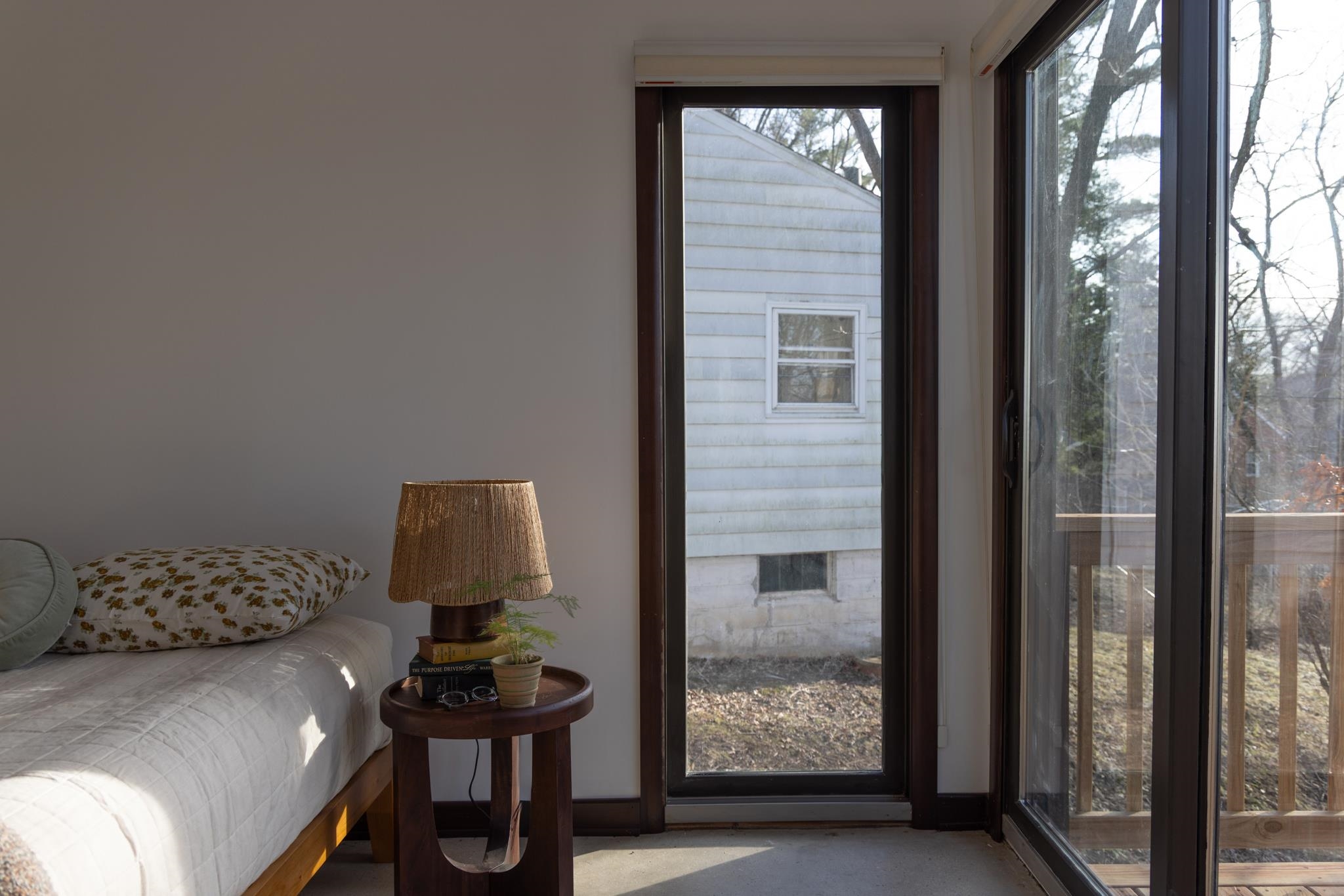
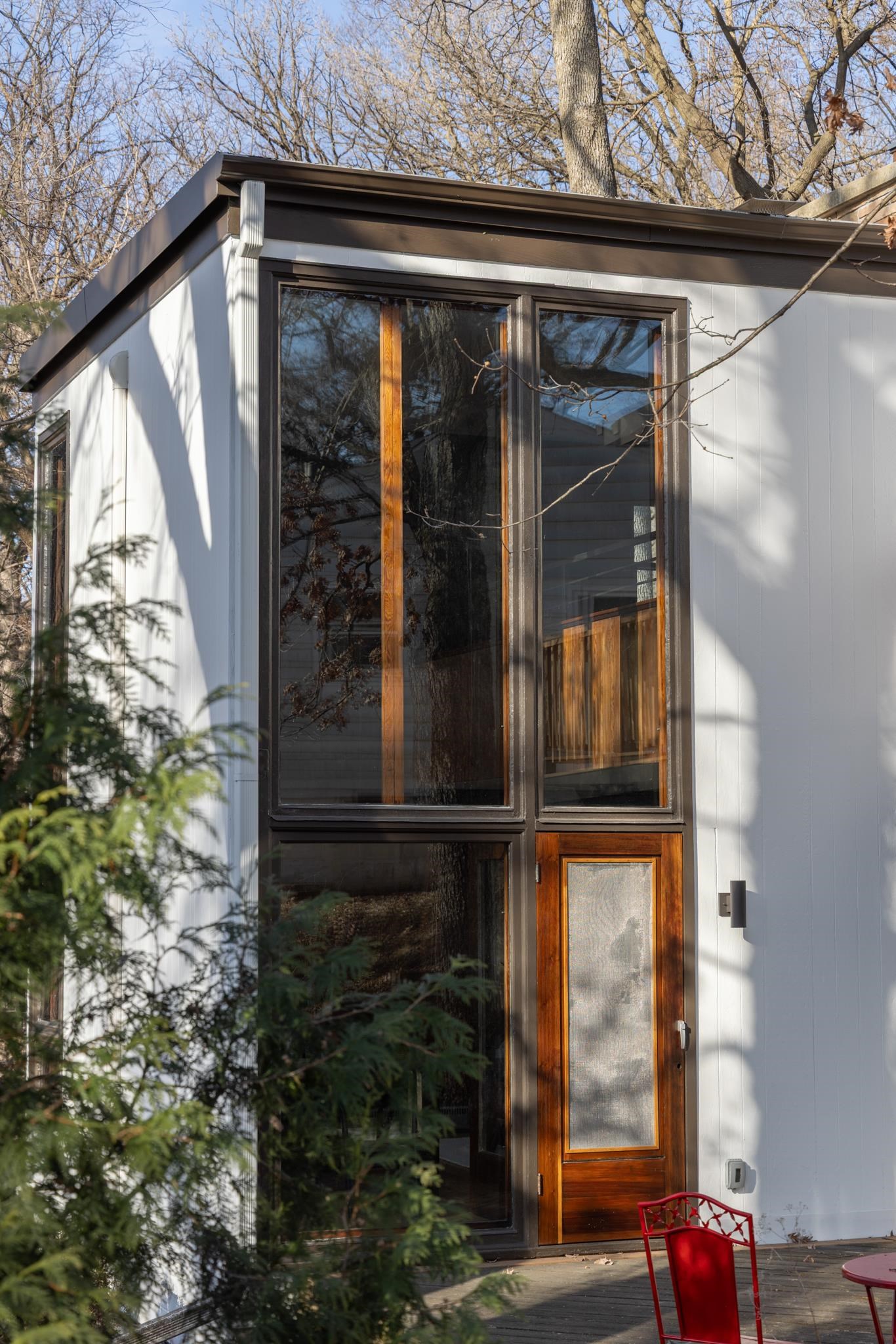
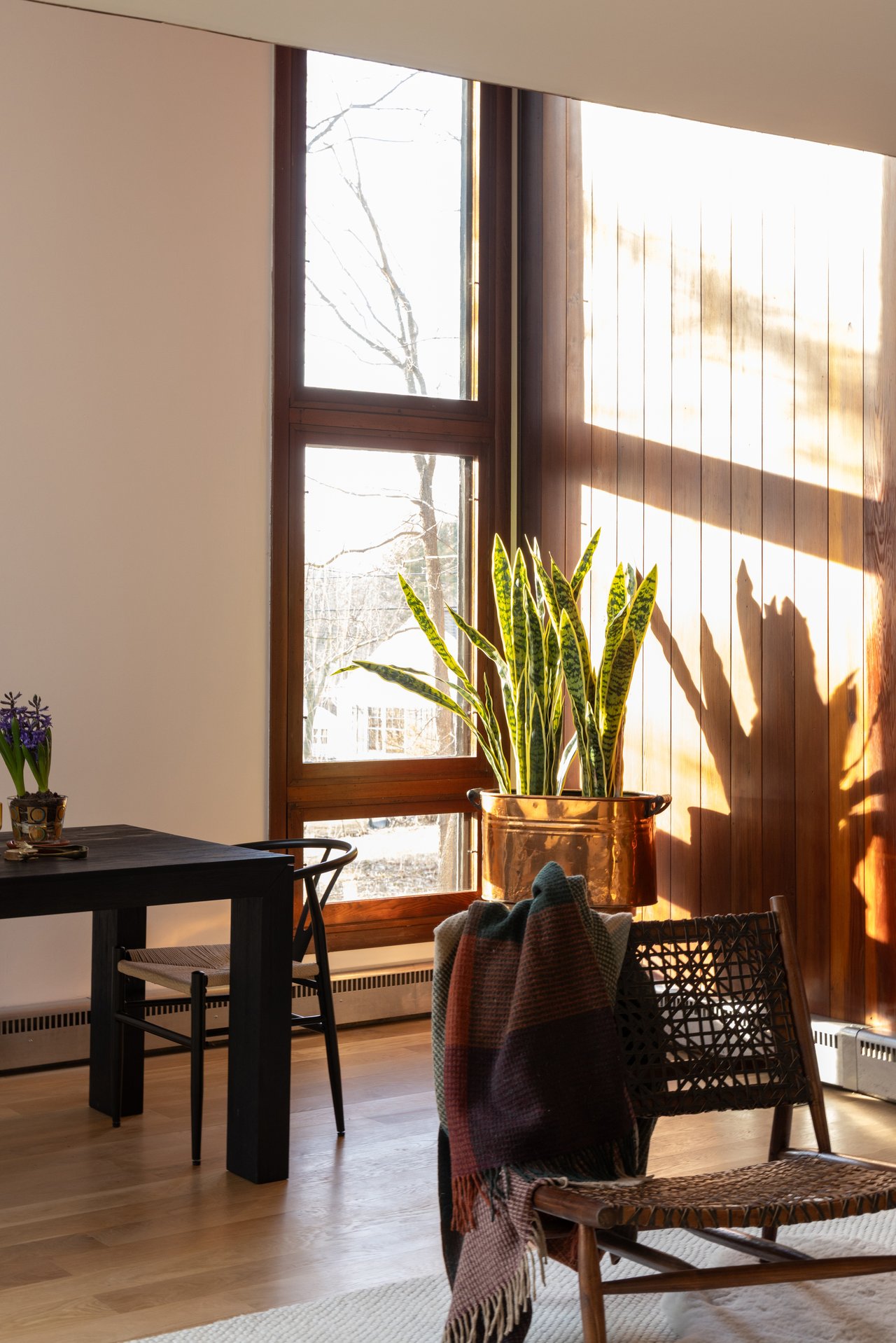
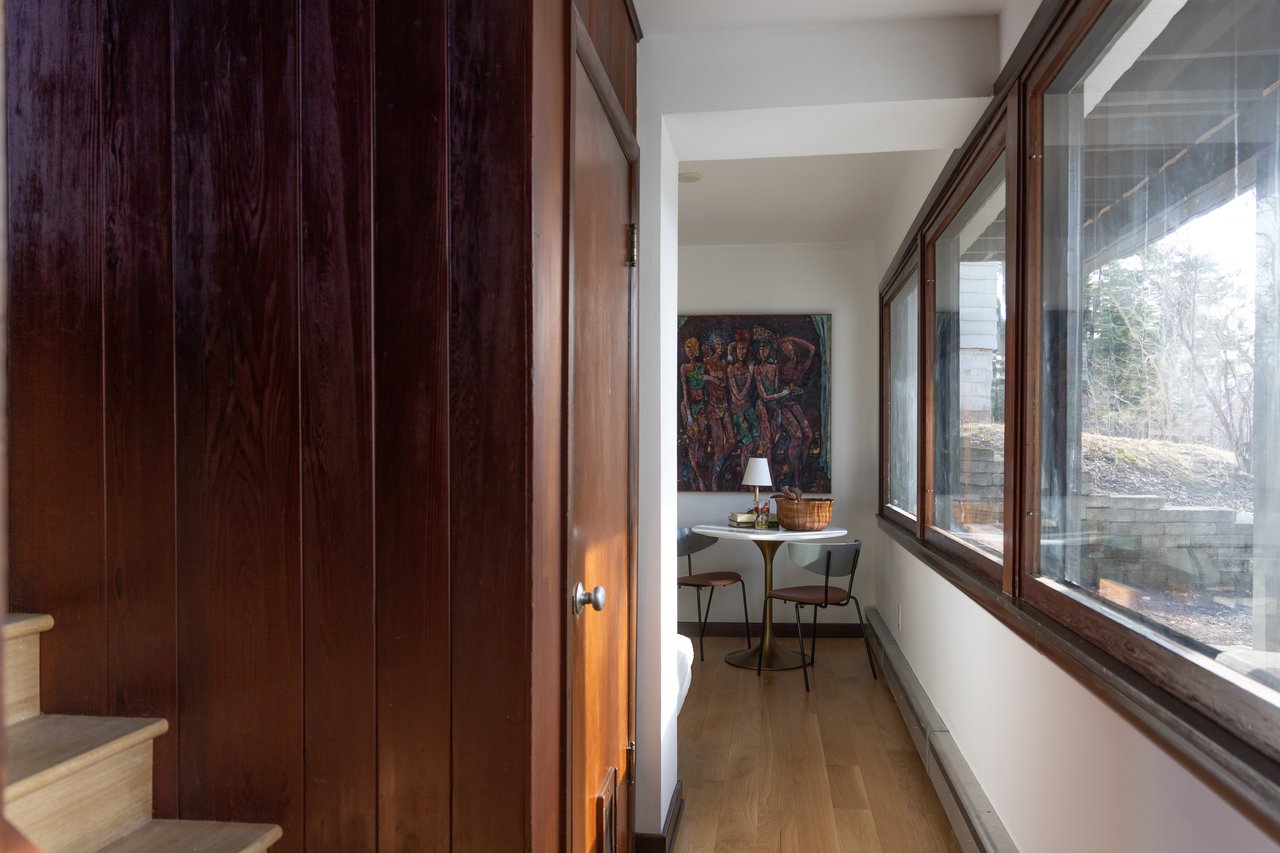
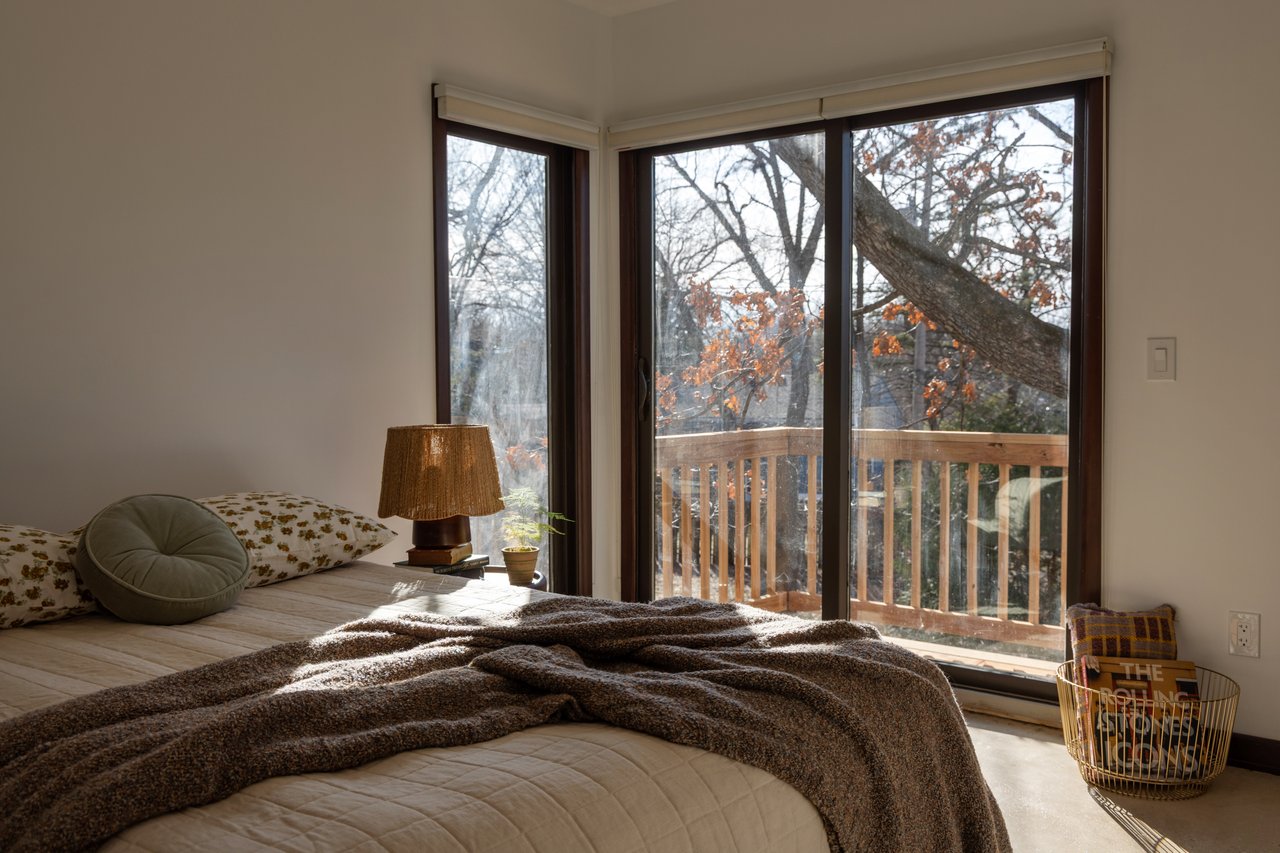
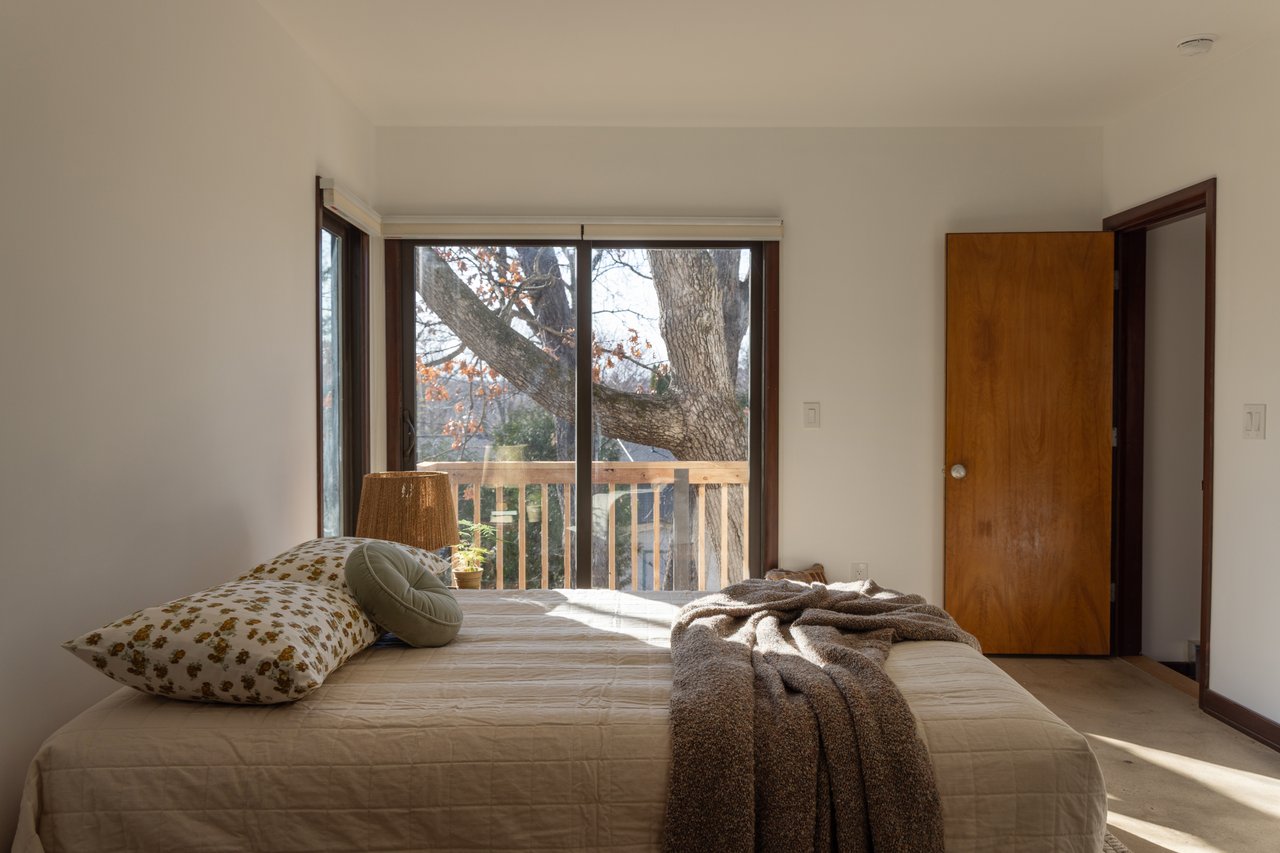
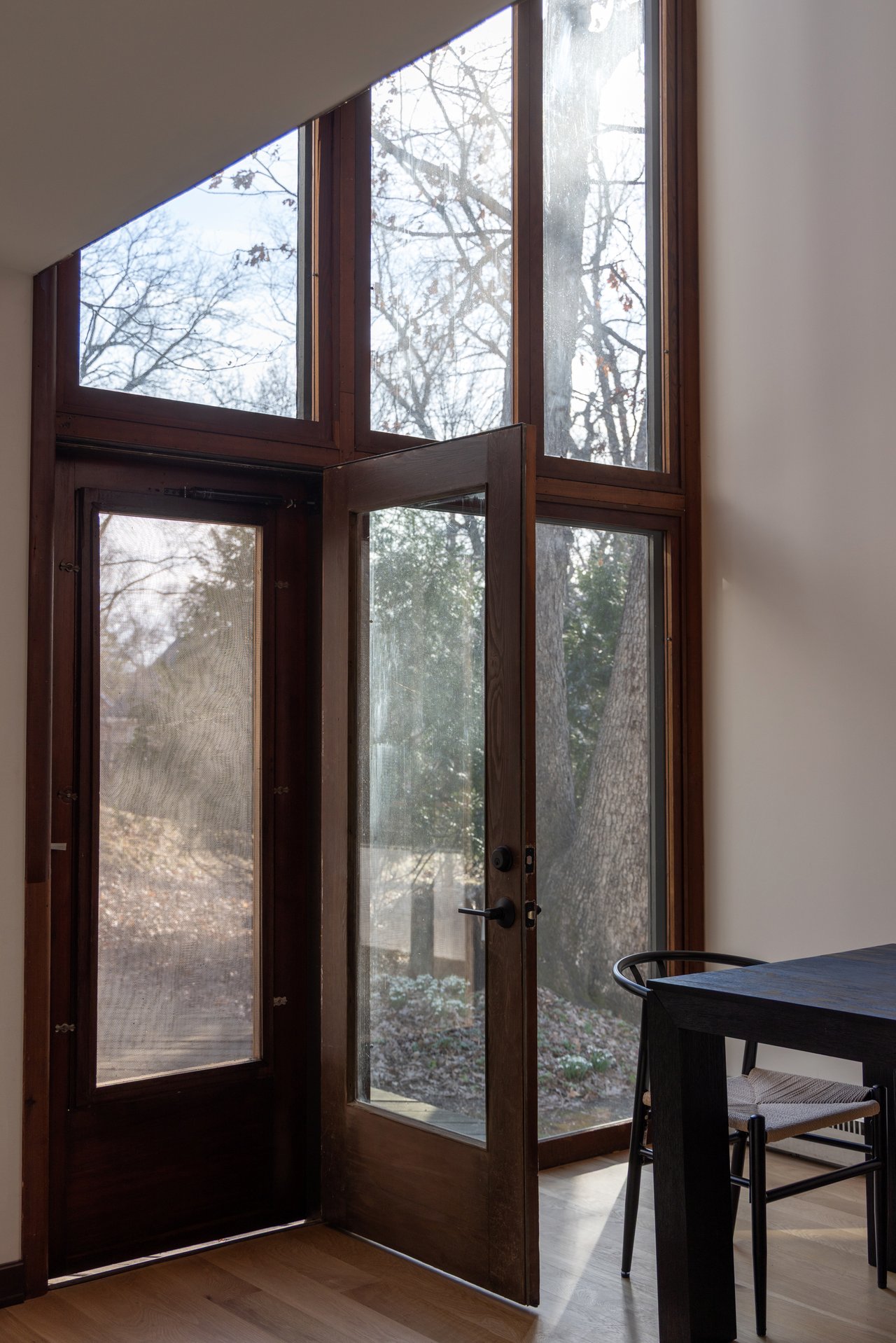
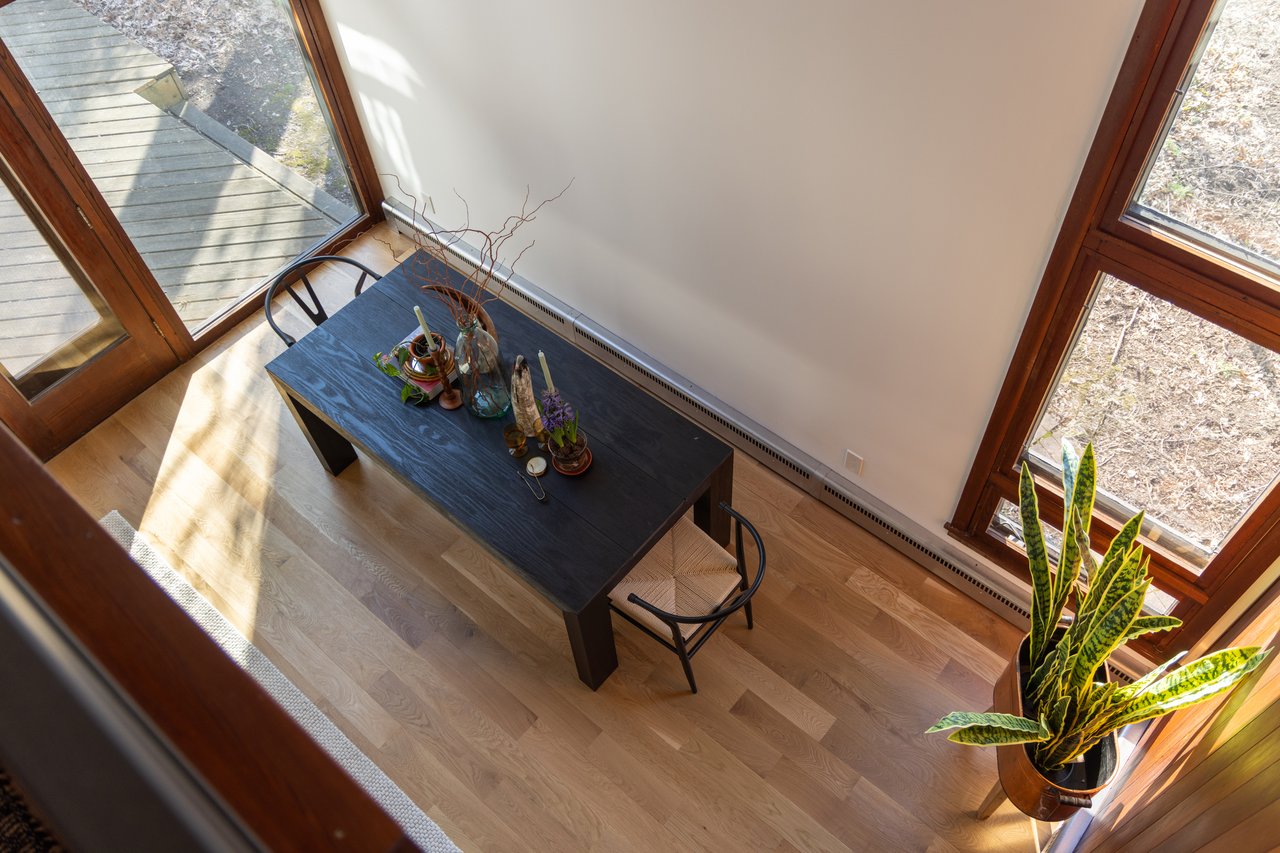
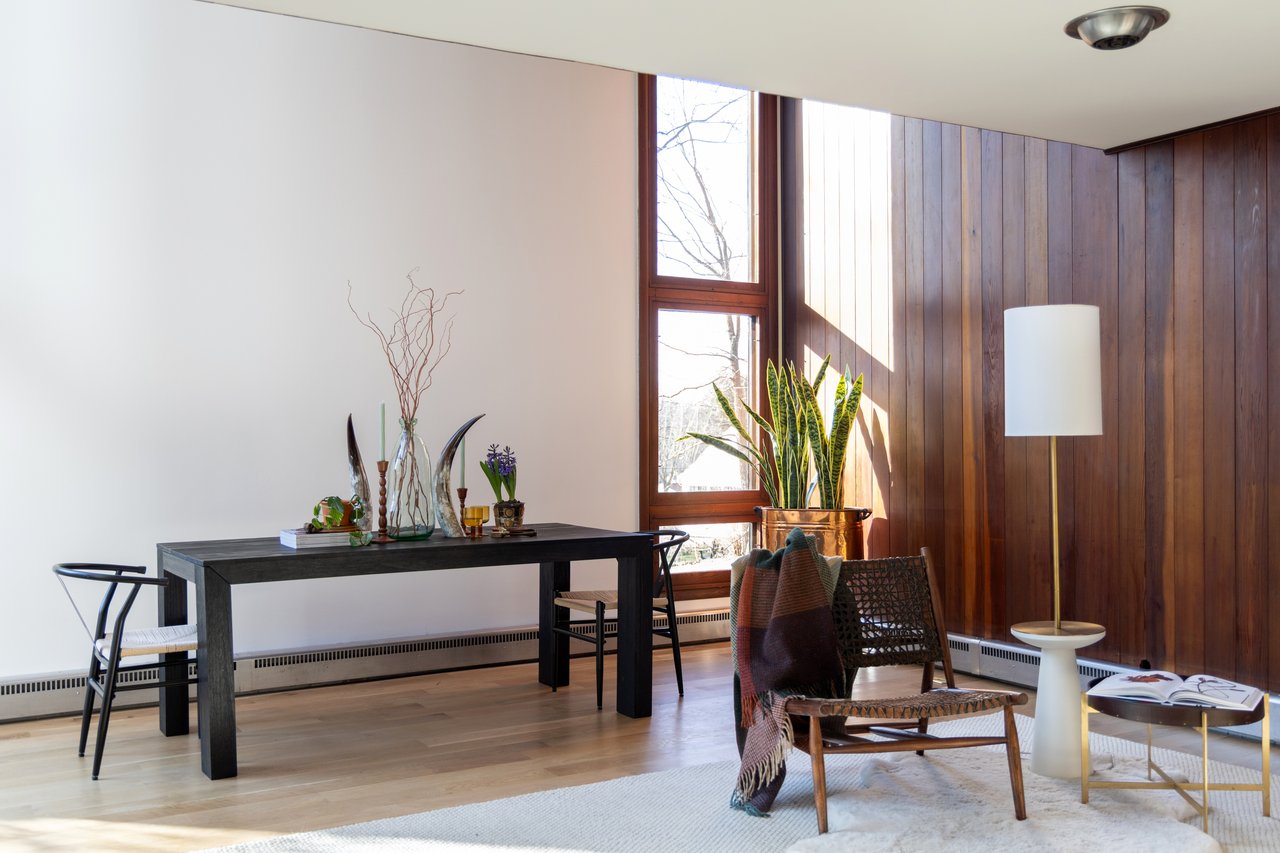
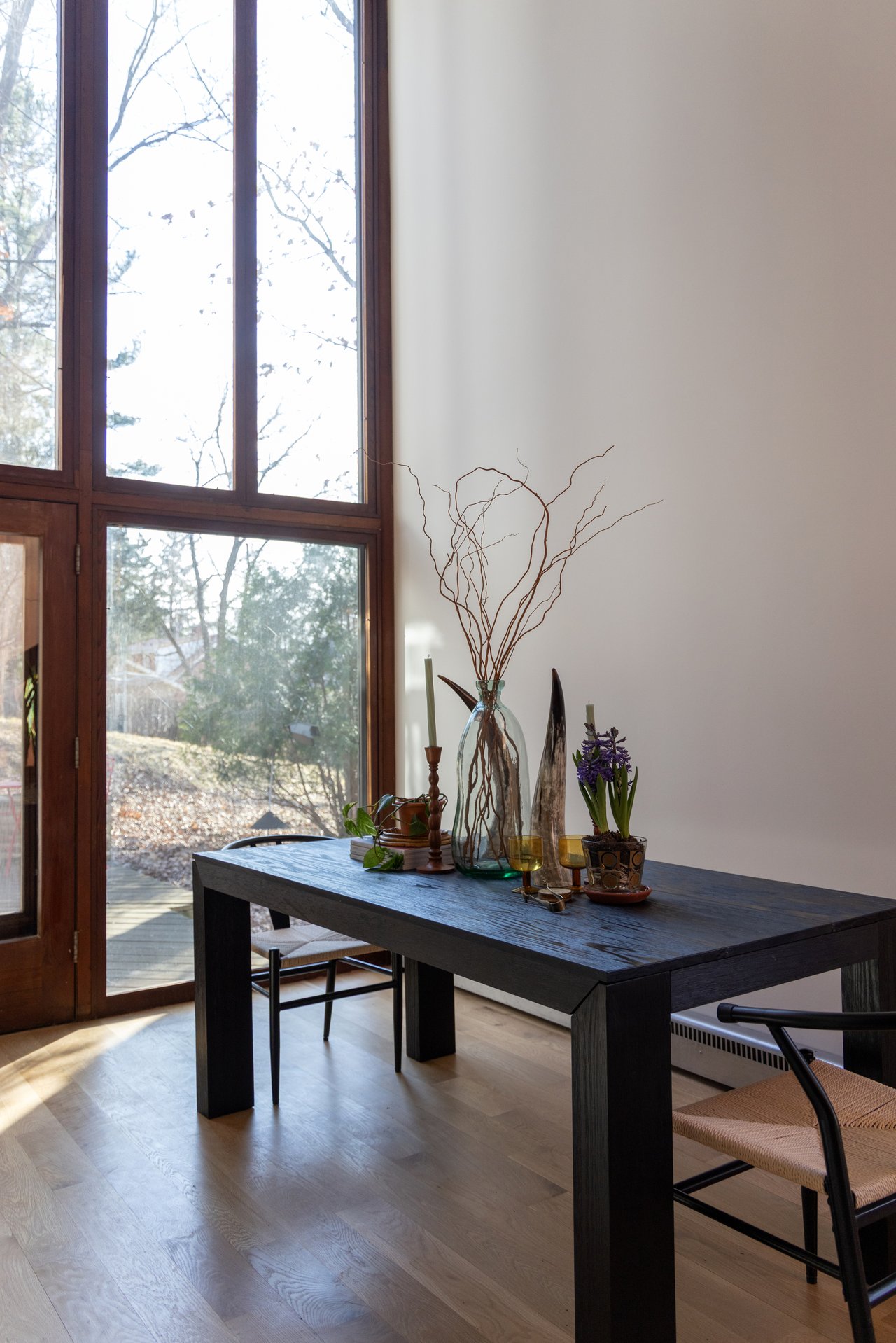
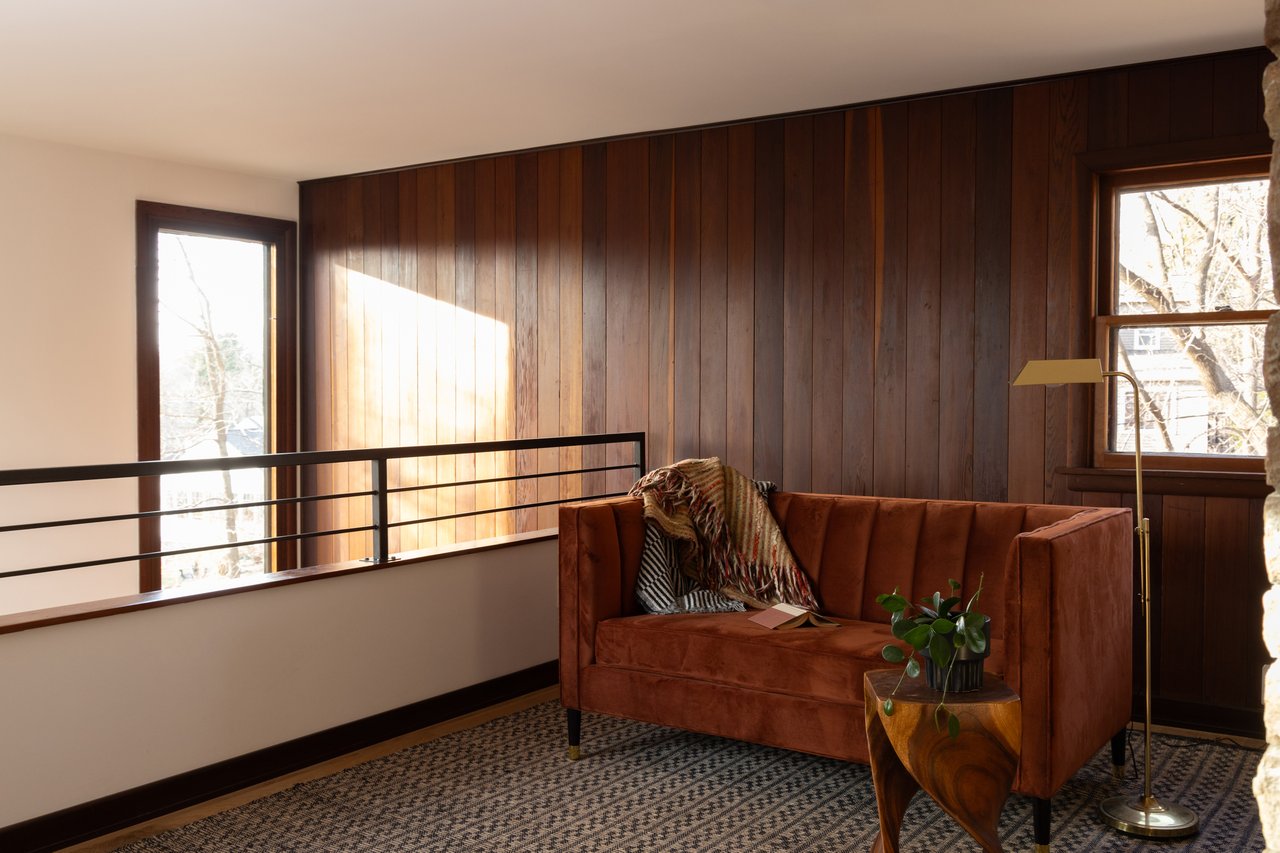
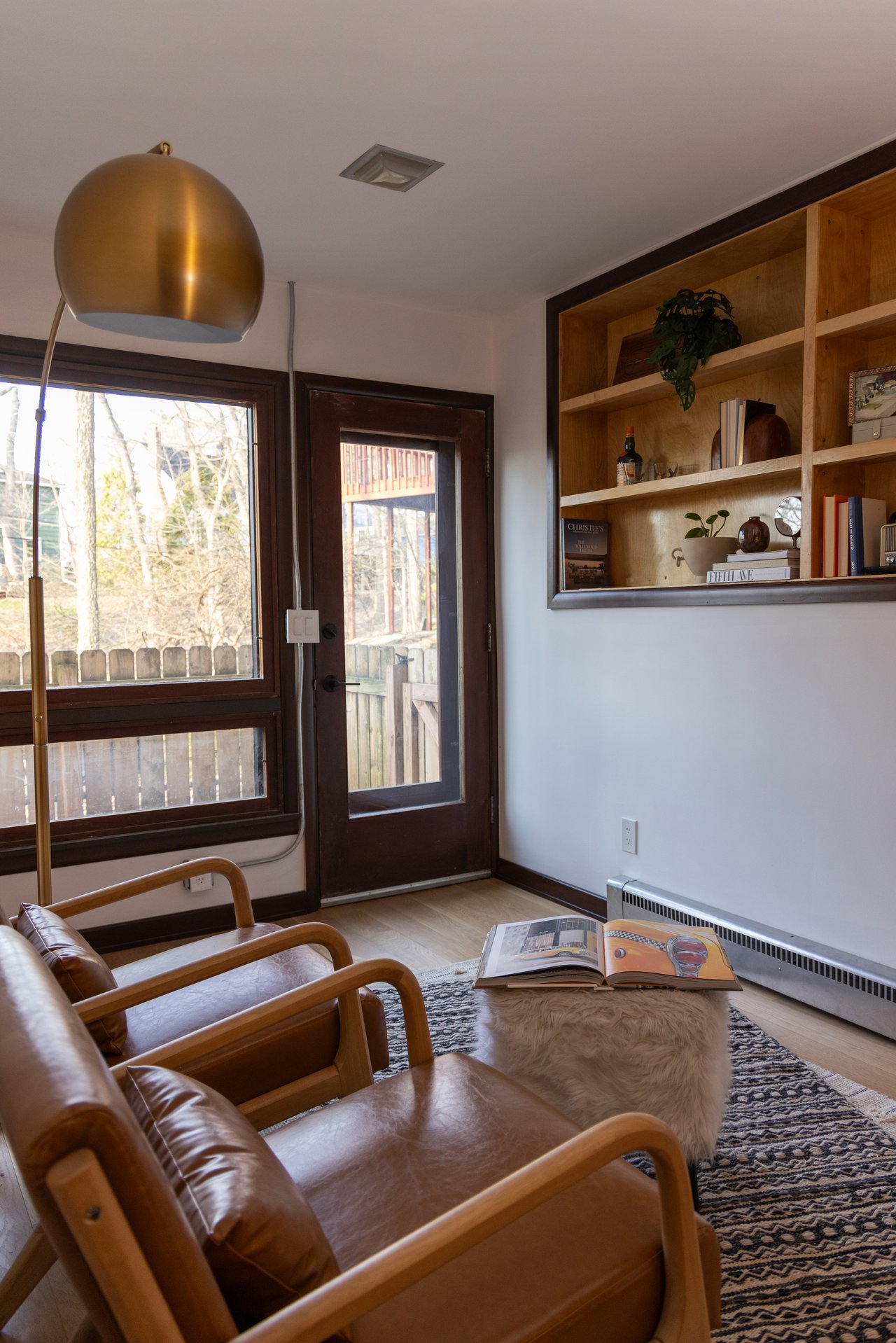
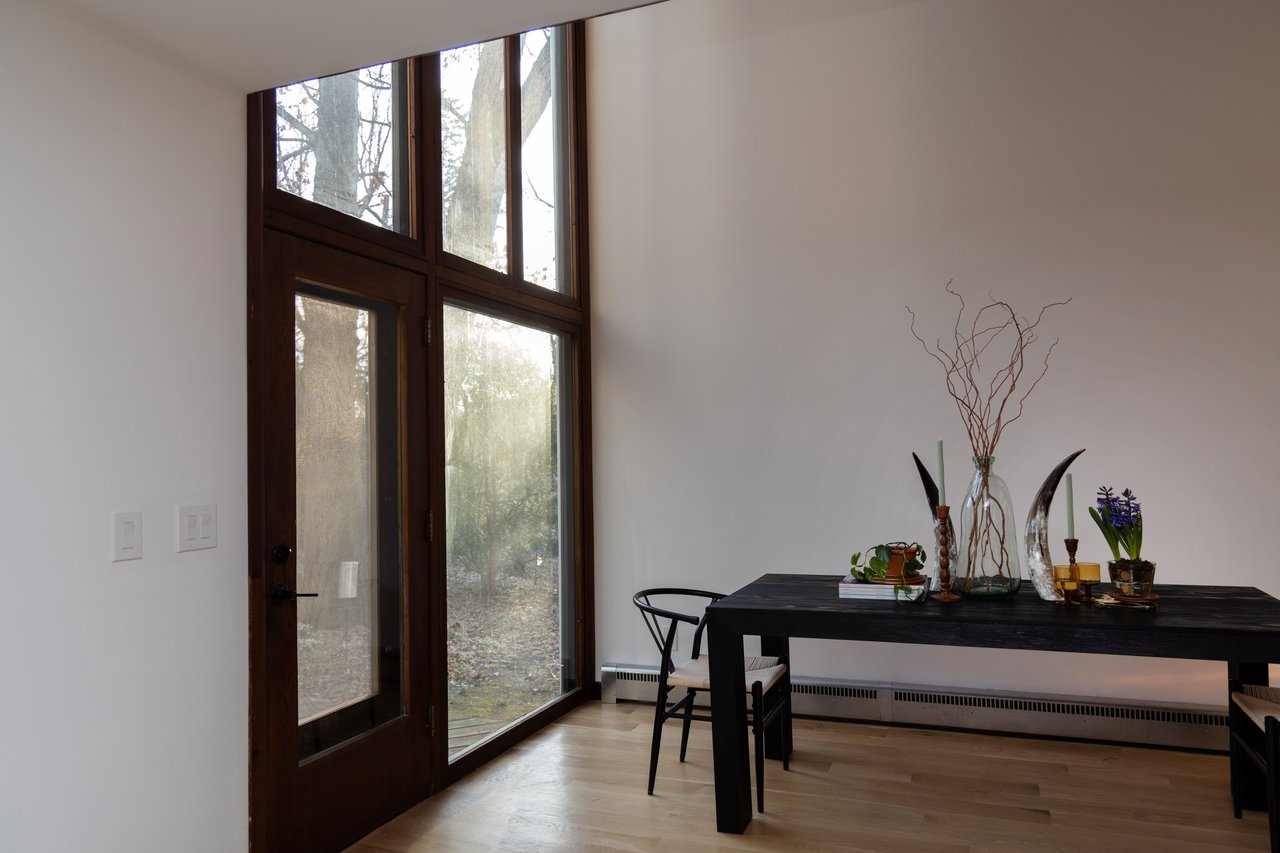
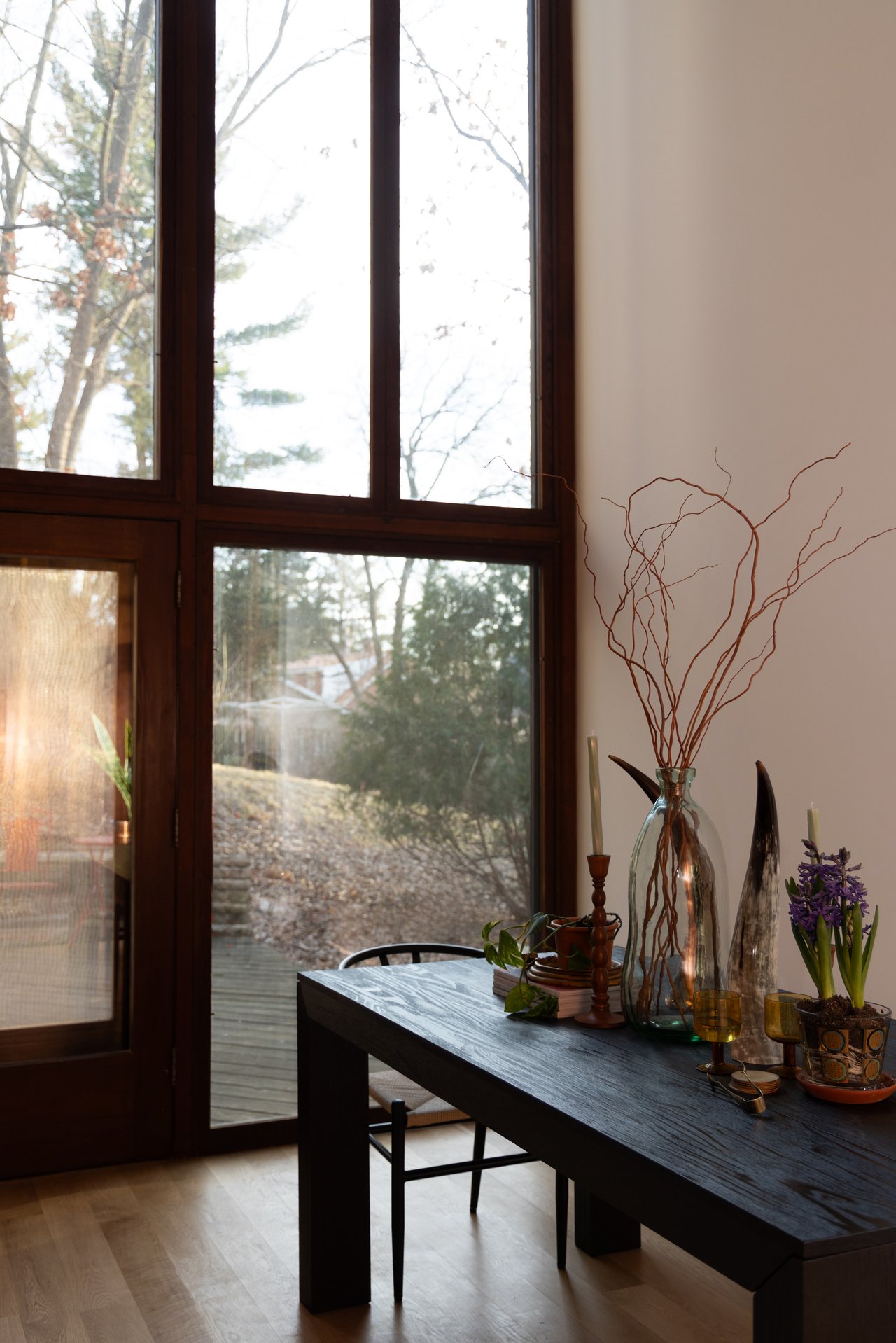
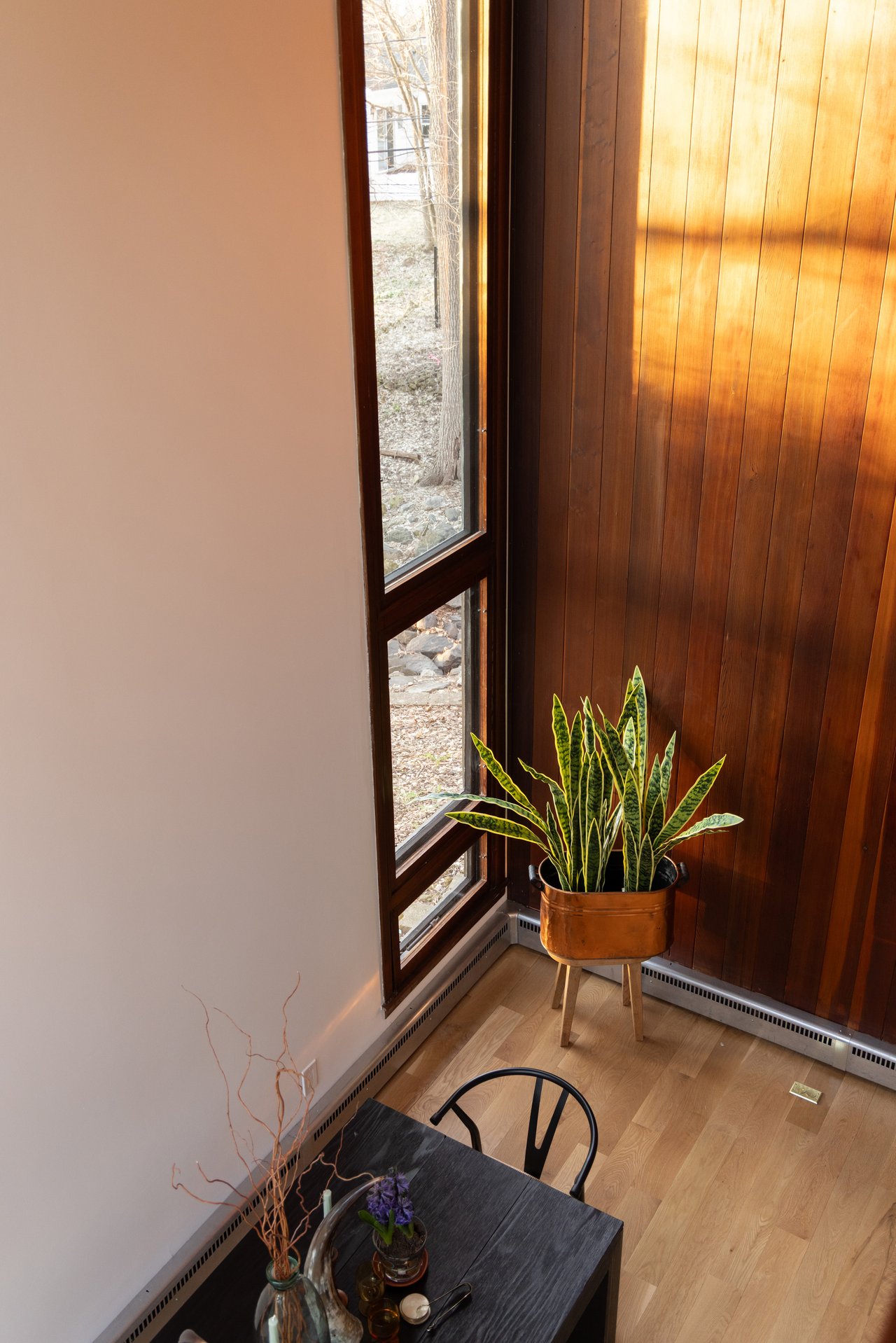
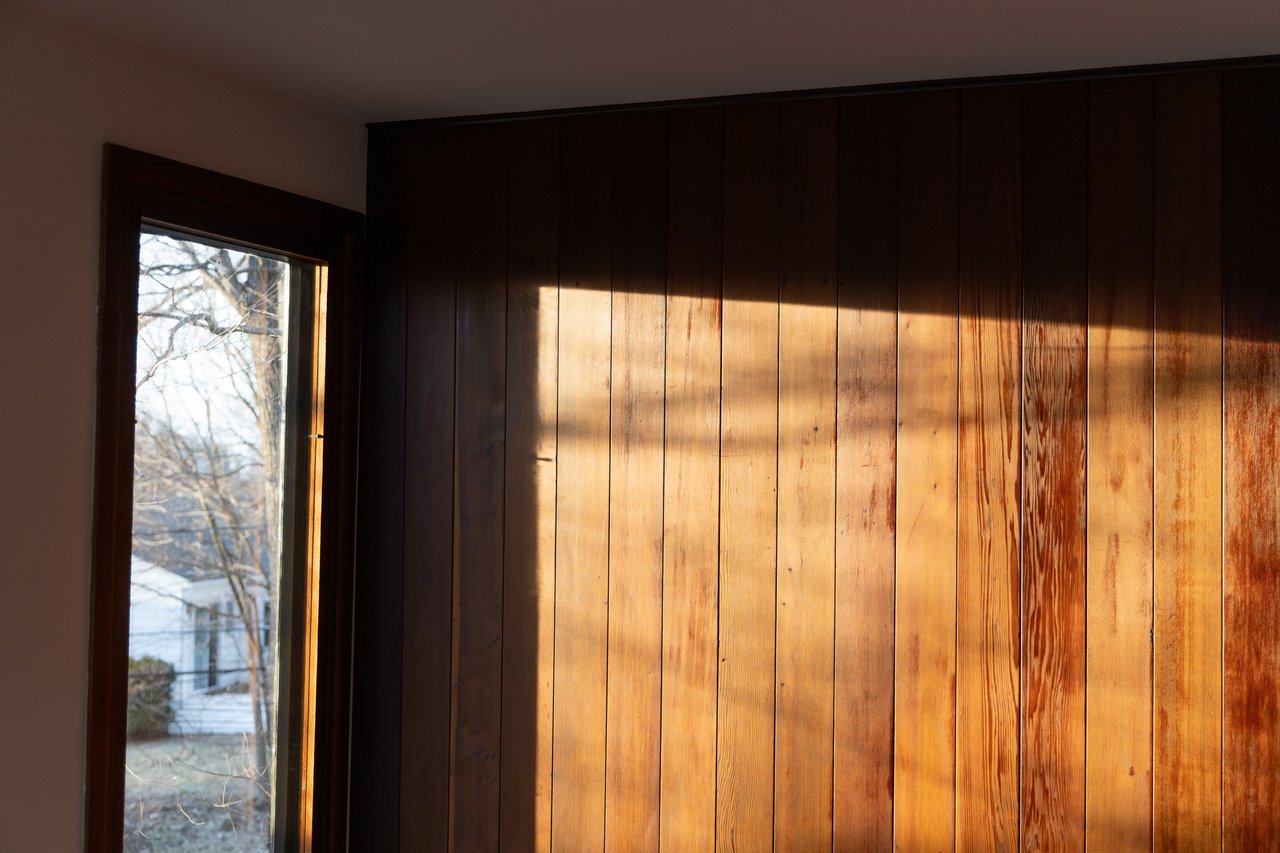
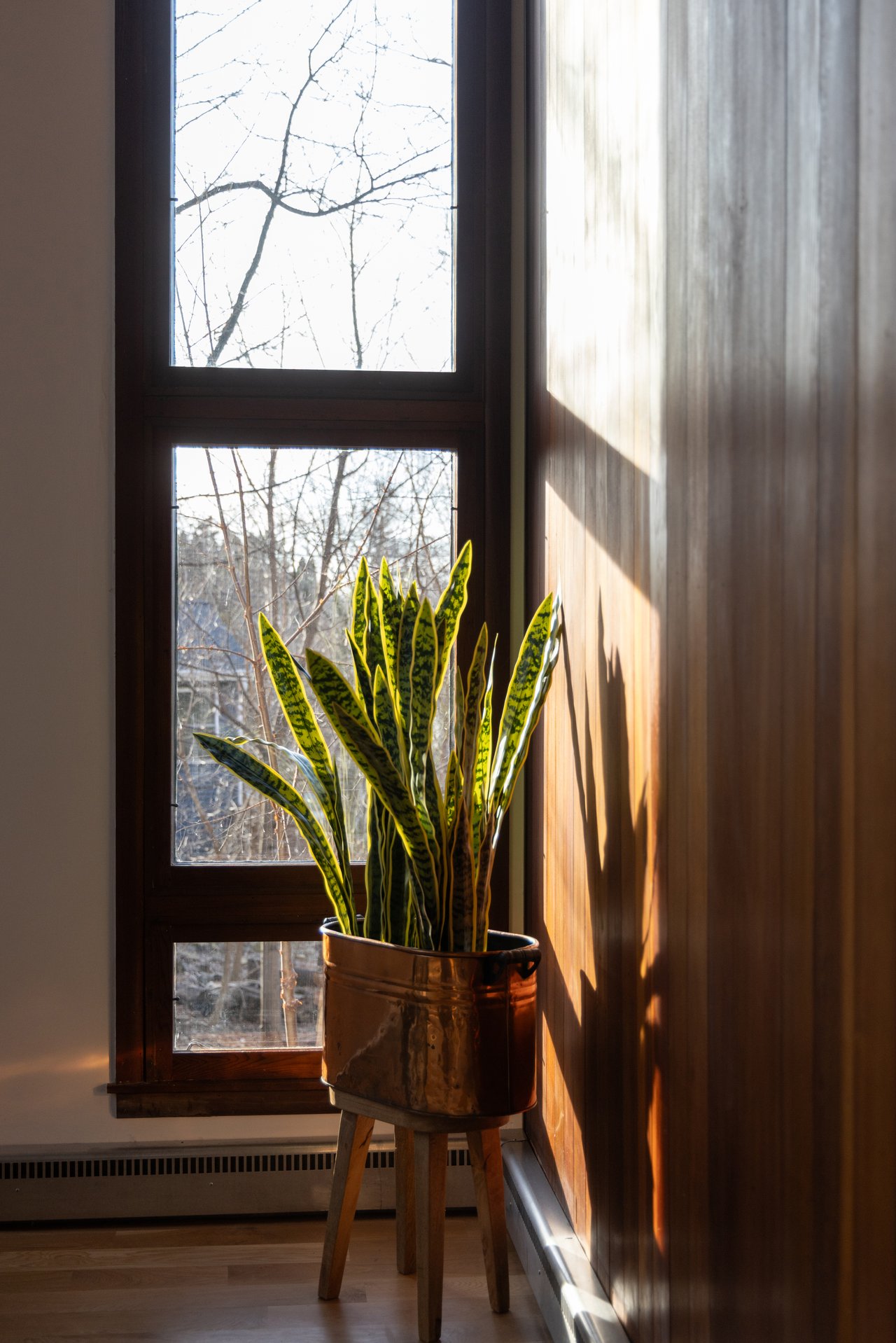
Mid-century modernism at its most resolved wasn't about the house asserting itself against the landscape — it was about the two becoming inseparable. At 4338 Upland Drive, that philosophy is built into every wall of glass. Floor-to-ceiling panes in the main living area. Corner windows in the primary bedroom that wrap the tree canopy around you. Clerestory light that moves slowly across original redwood as the day shifts. The wooded lot isn't the view. It's the interior.
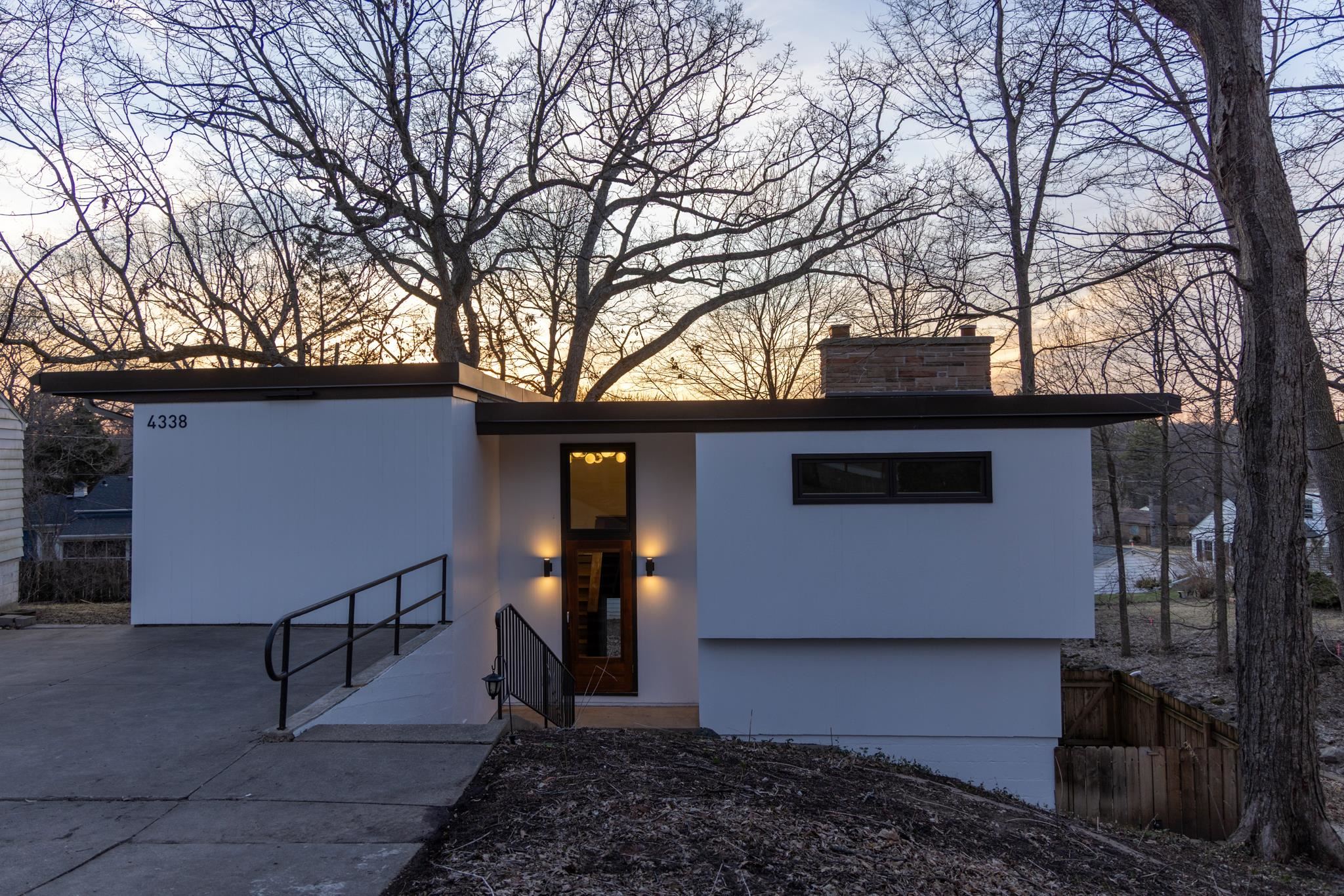
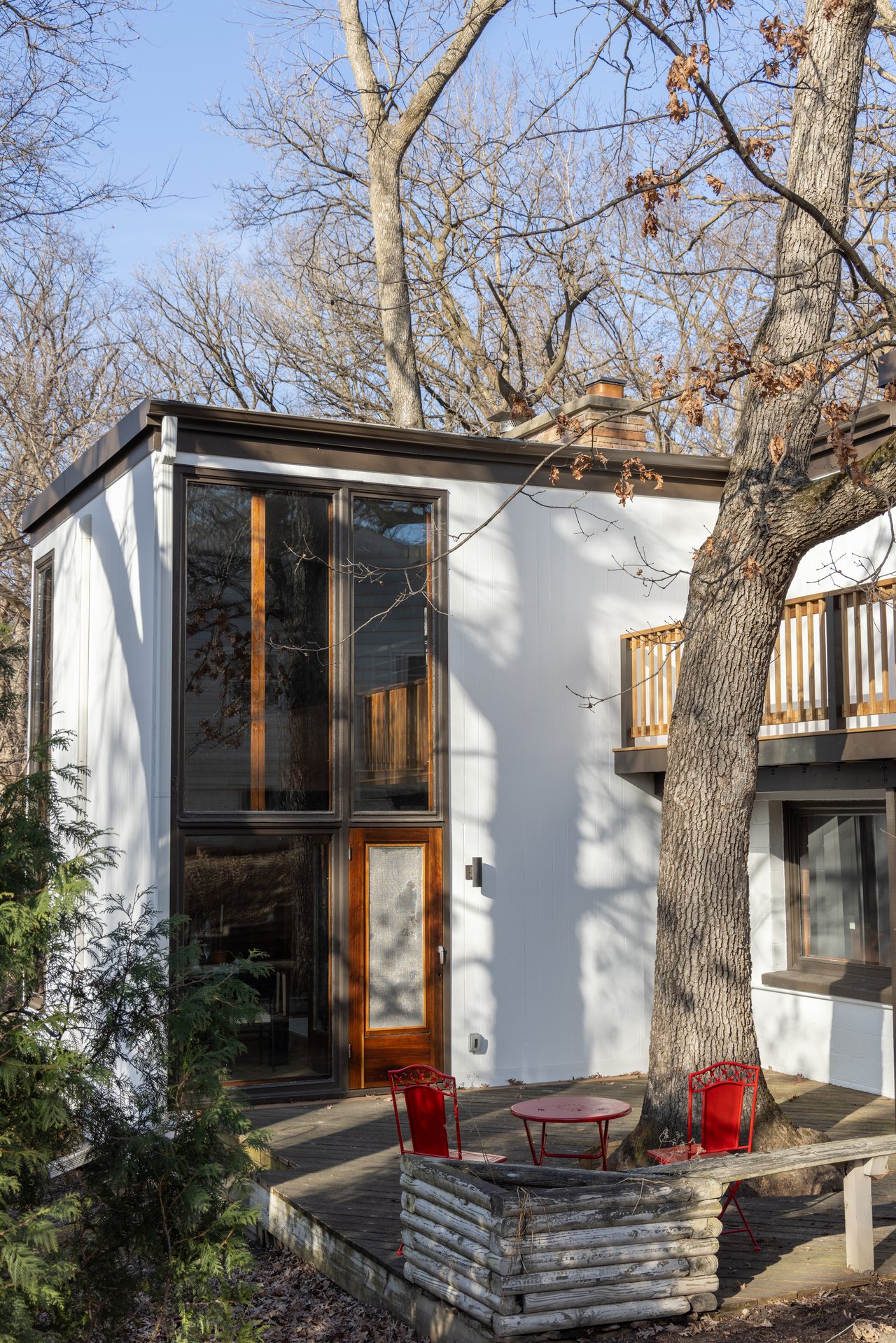
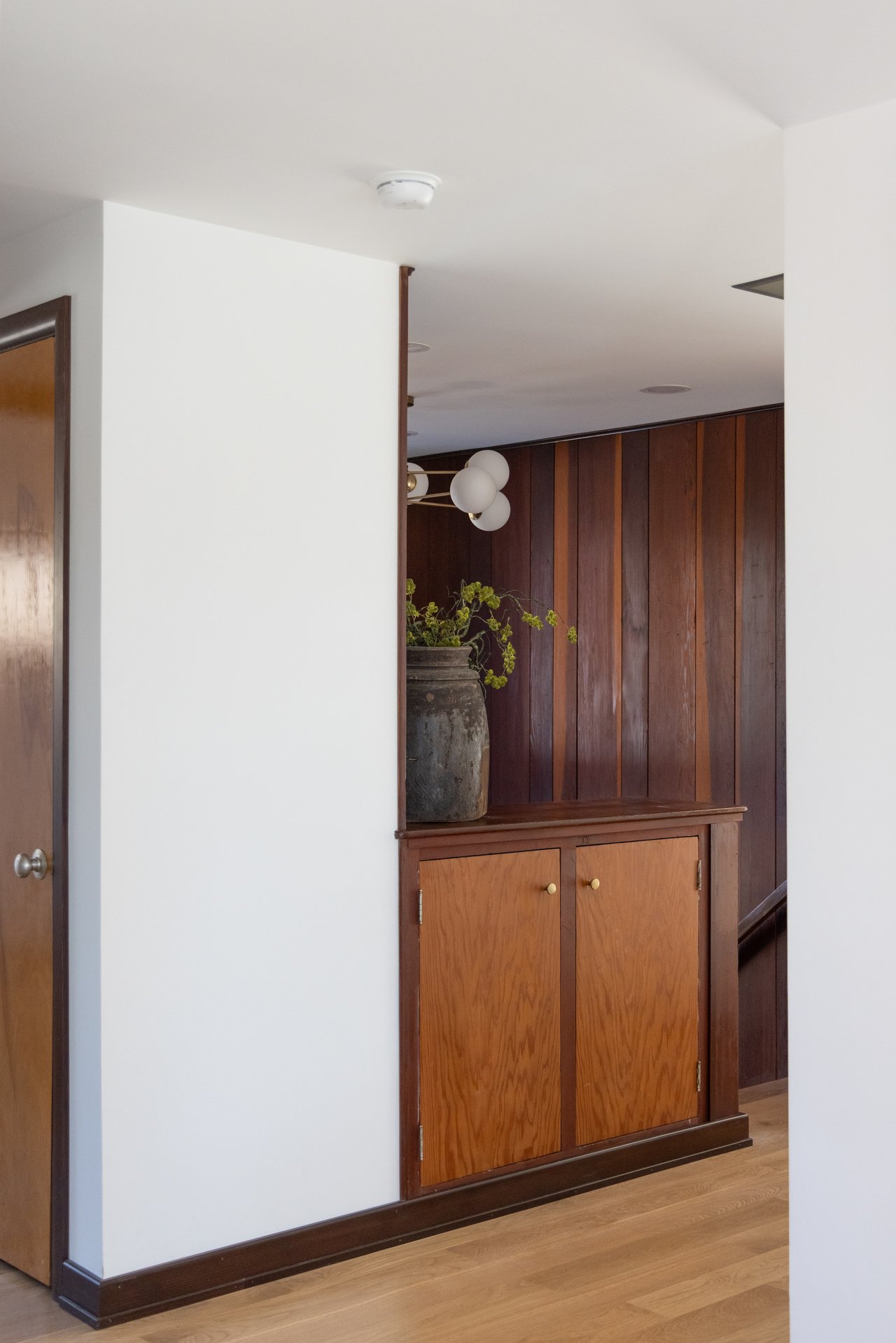
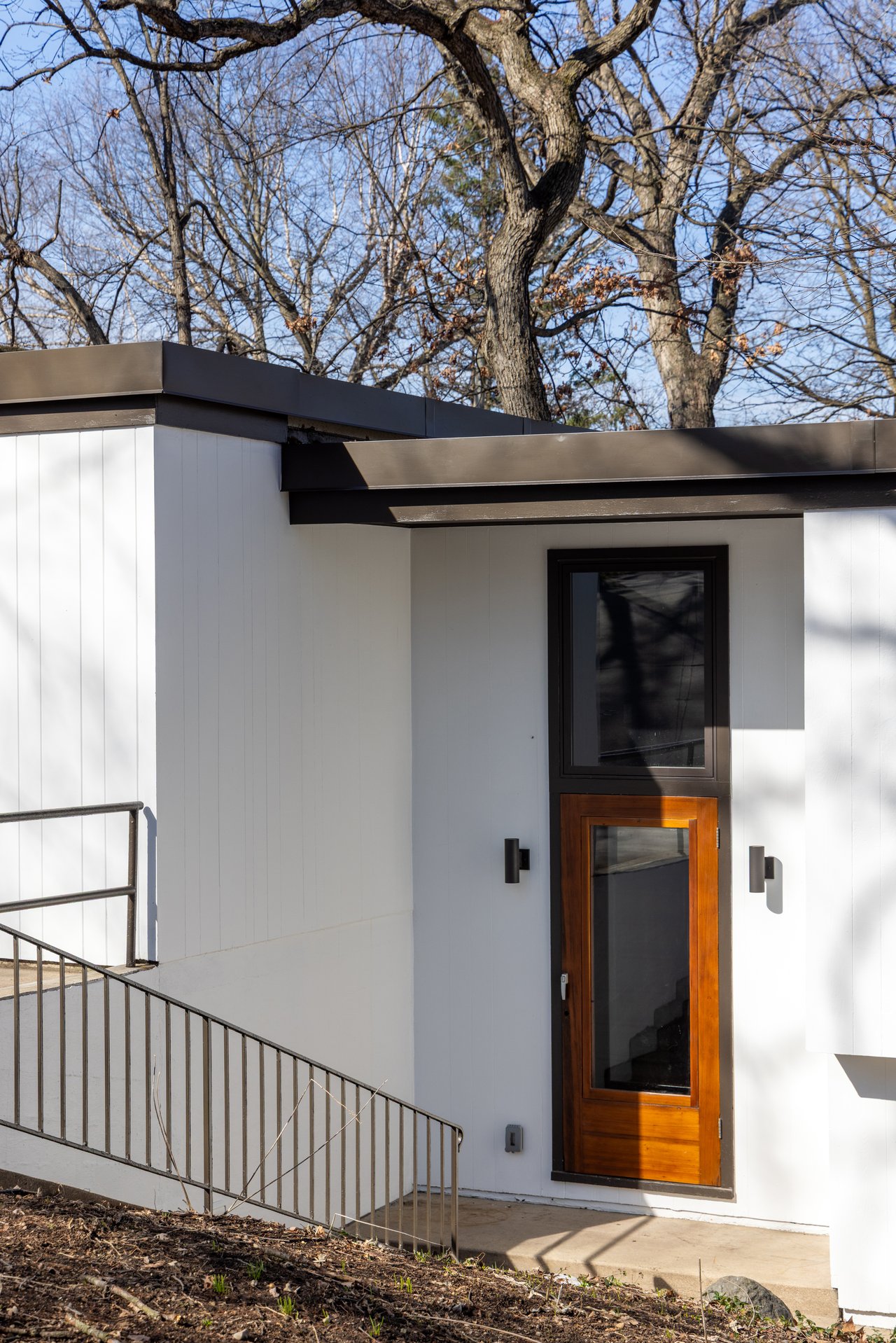
The flat roof, white stucco exterior, and dark bronze trim sit low against a wooded hillside lot — a house that belongs to its landscape rather than imposing on it. Inside, the split-level plan unfolds with the quiet logic of a home that was designed, not assembled. Original redwood paneling. Terrazzo entry. A sandstone brick fireplace built to anchor a room, not decorate one.
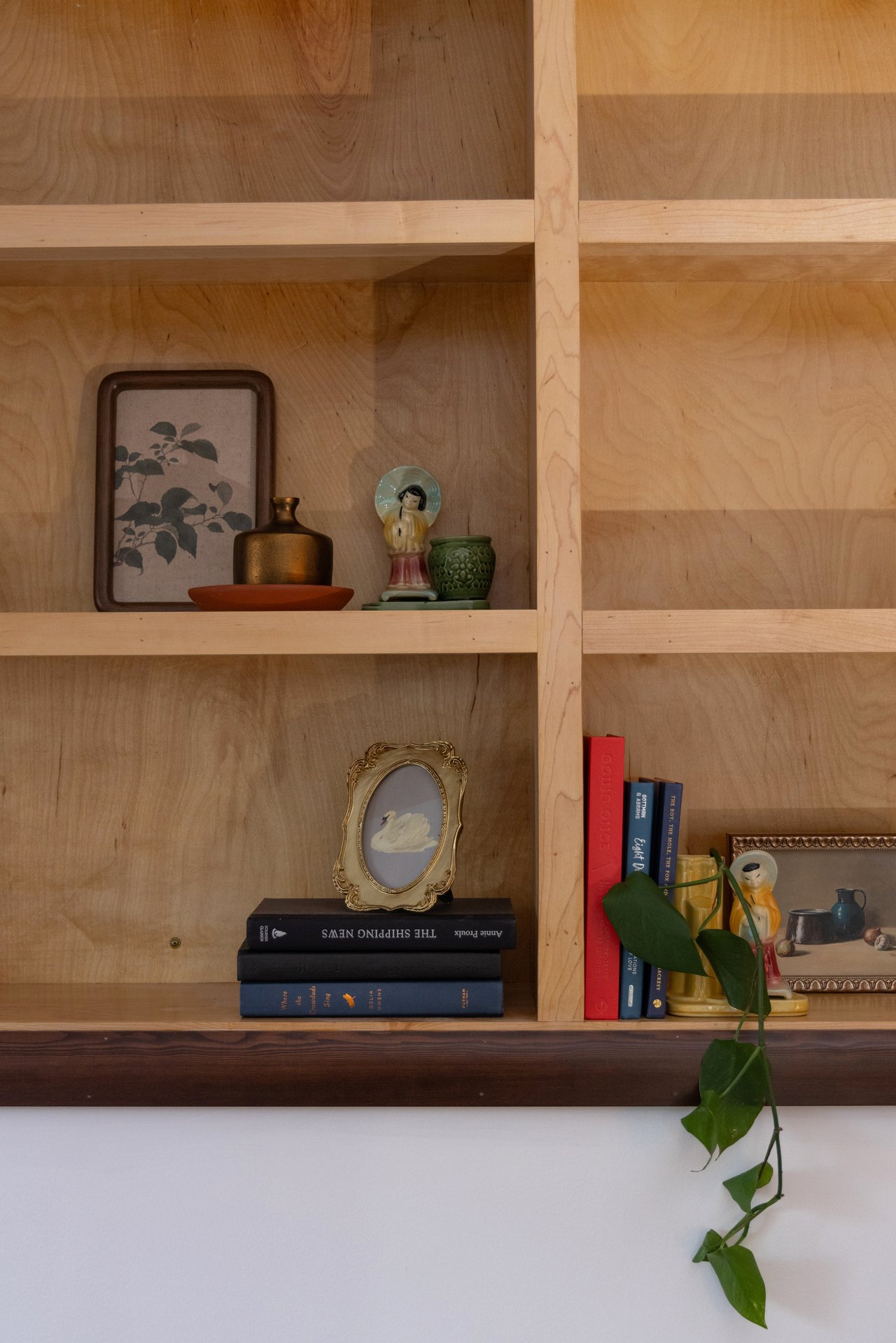
Original materials and architectural details remain intact throughout, reinforcing the cohesion between form and material. The result is a home that feels both architecturally considered and genuinely livable — designed not for display, but for life.
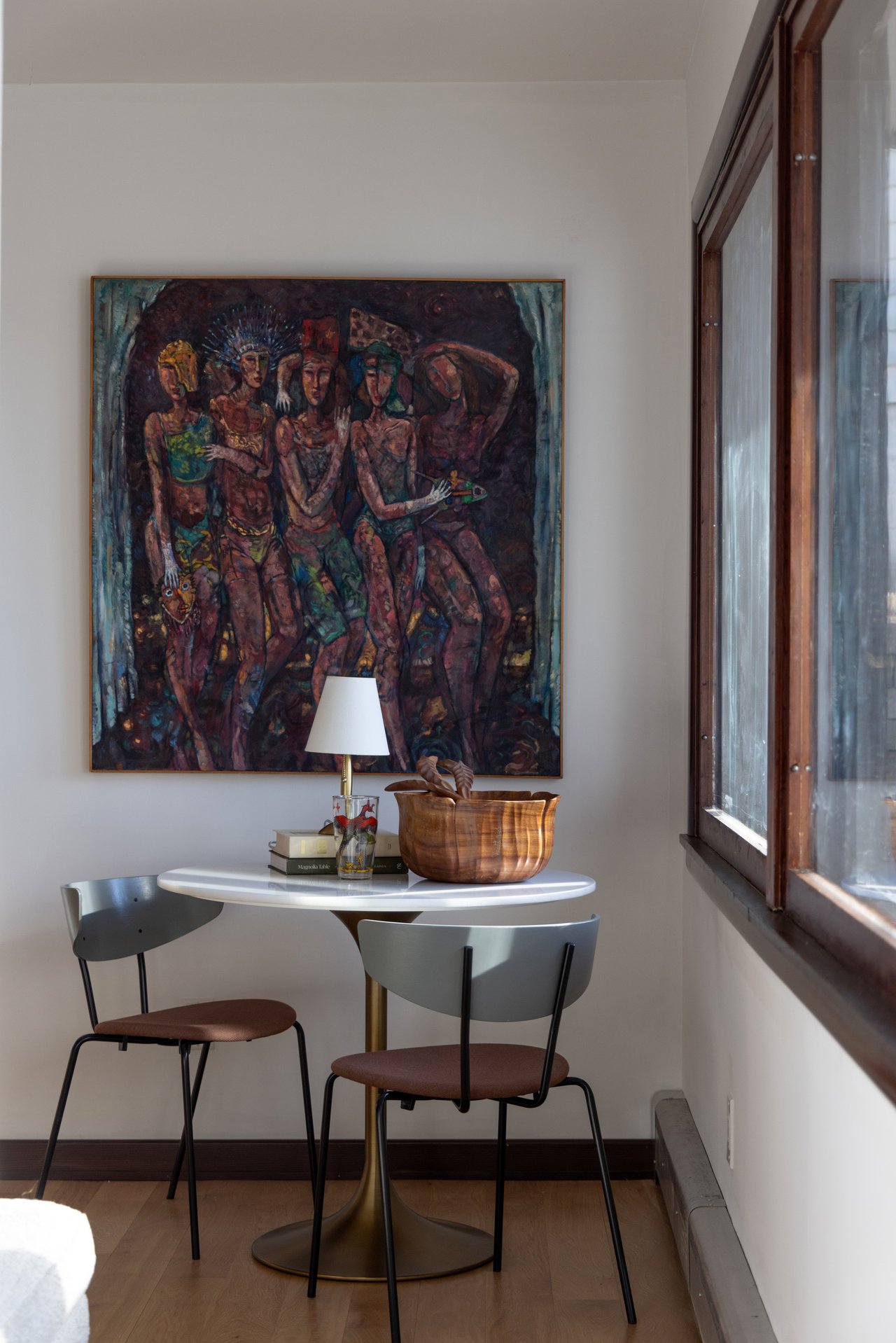
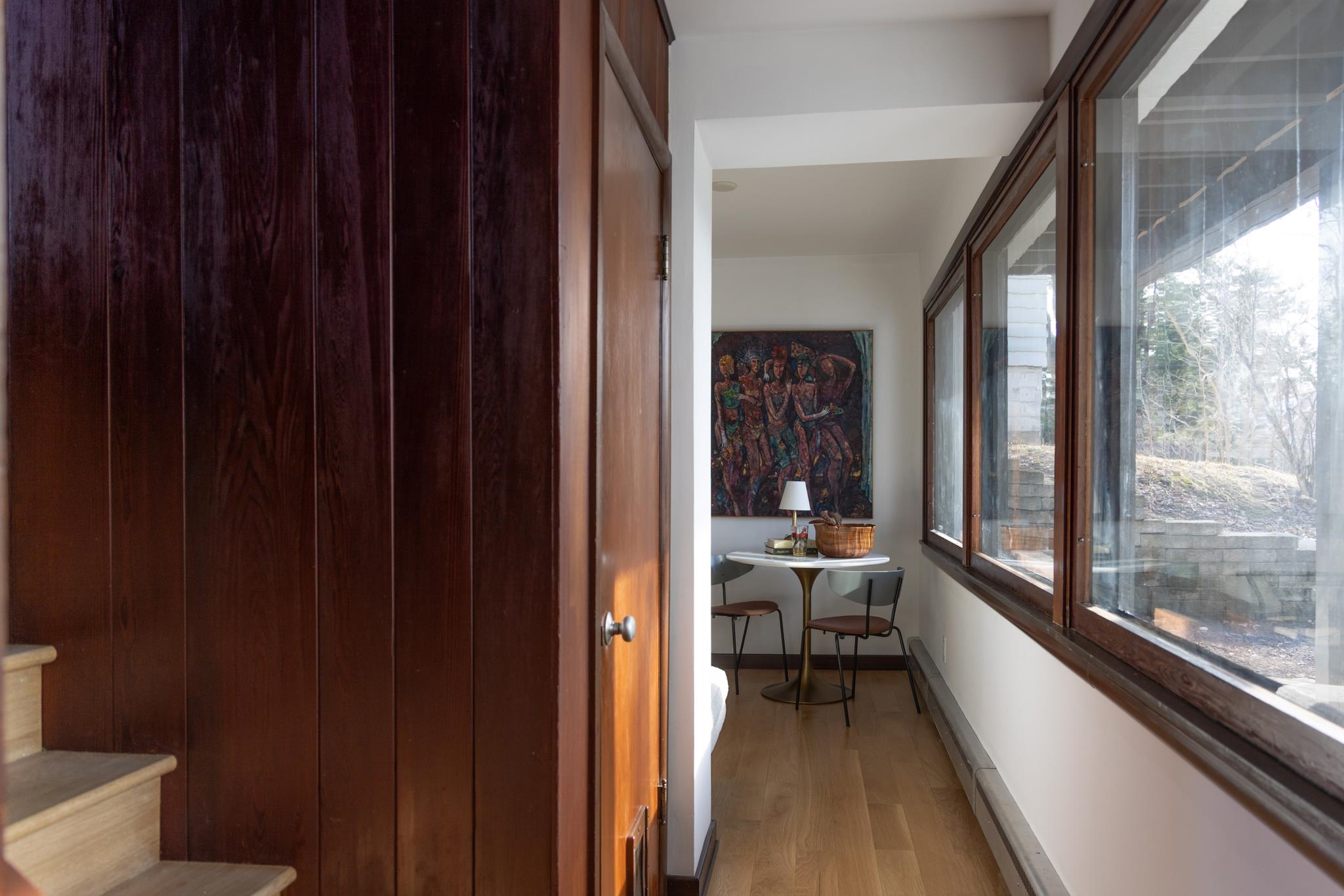
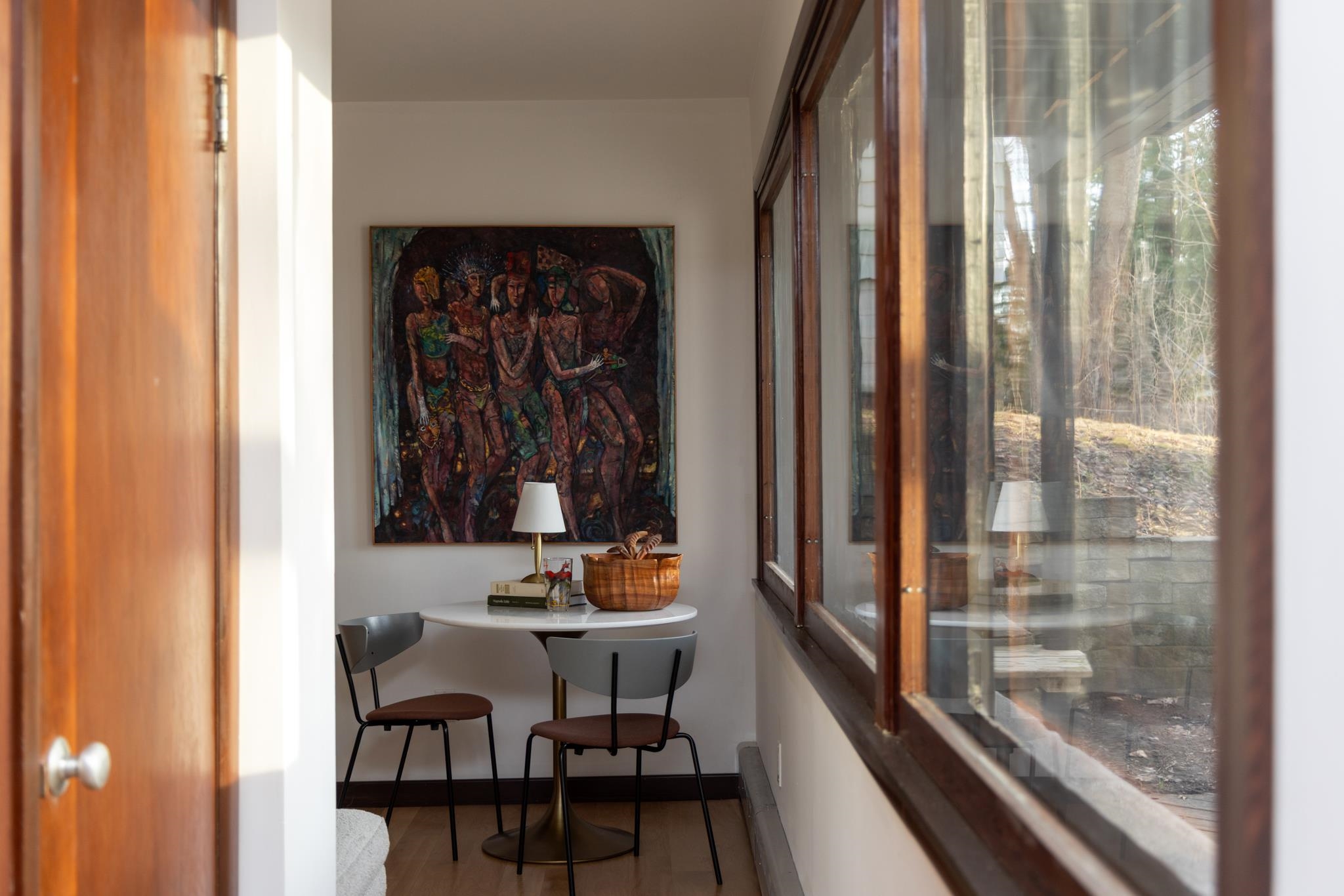
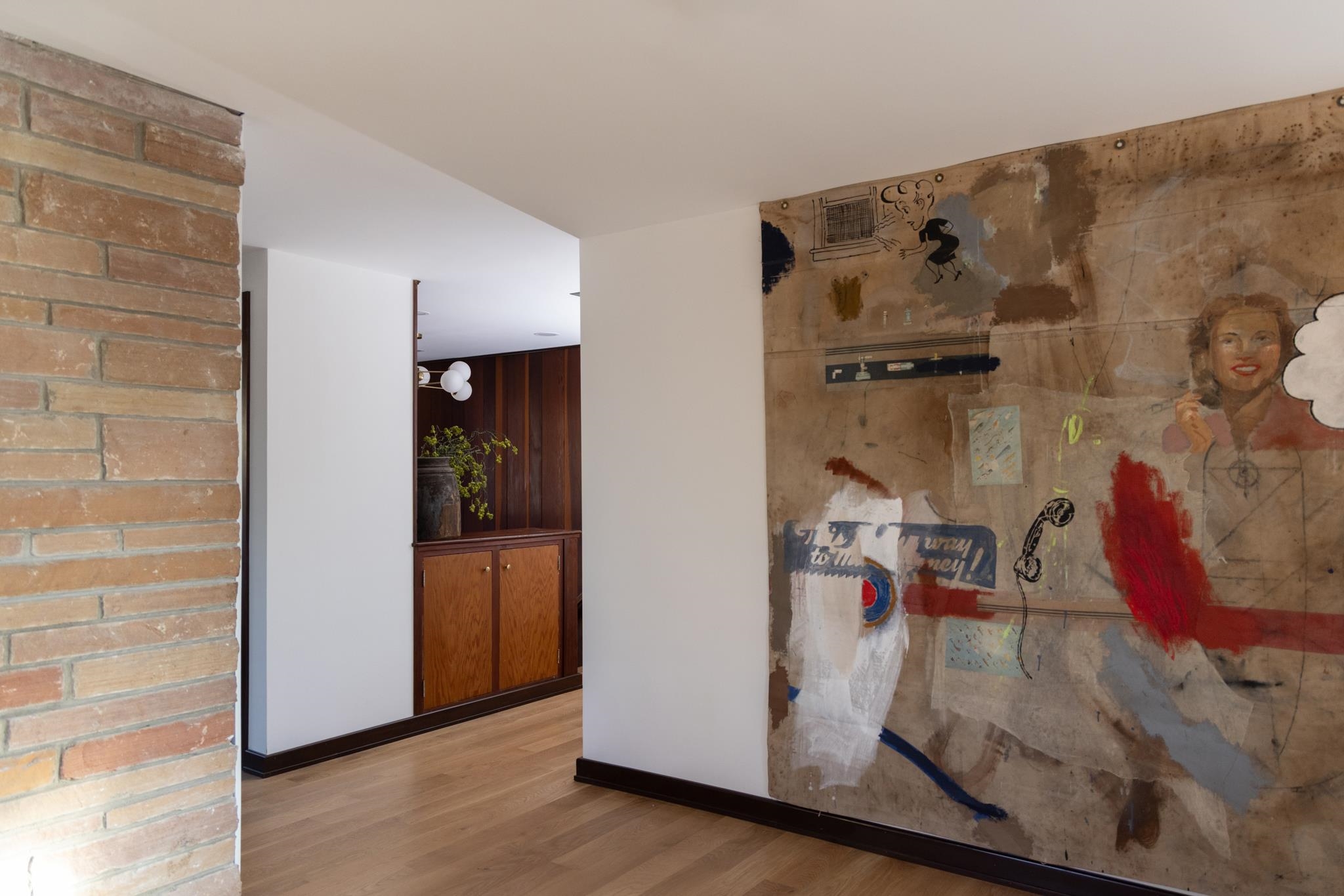
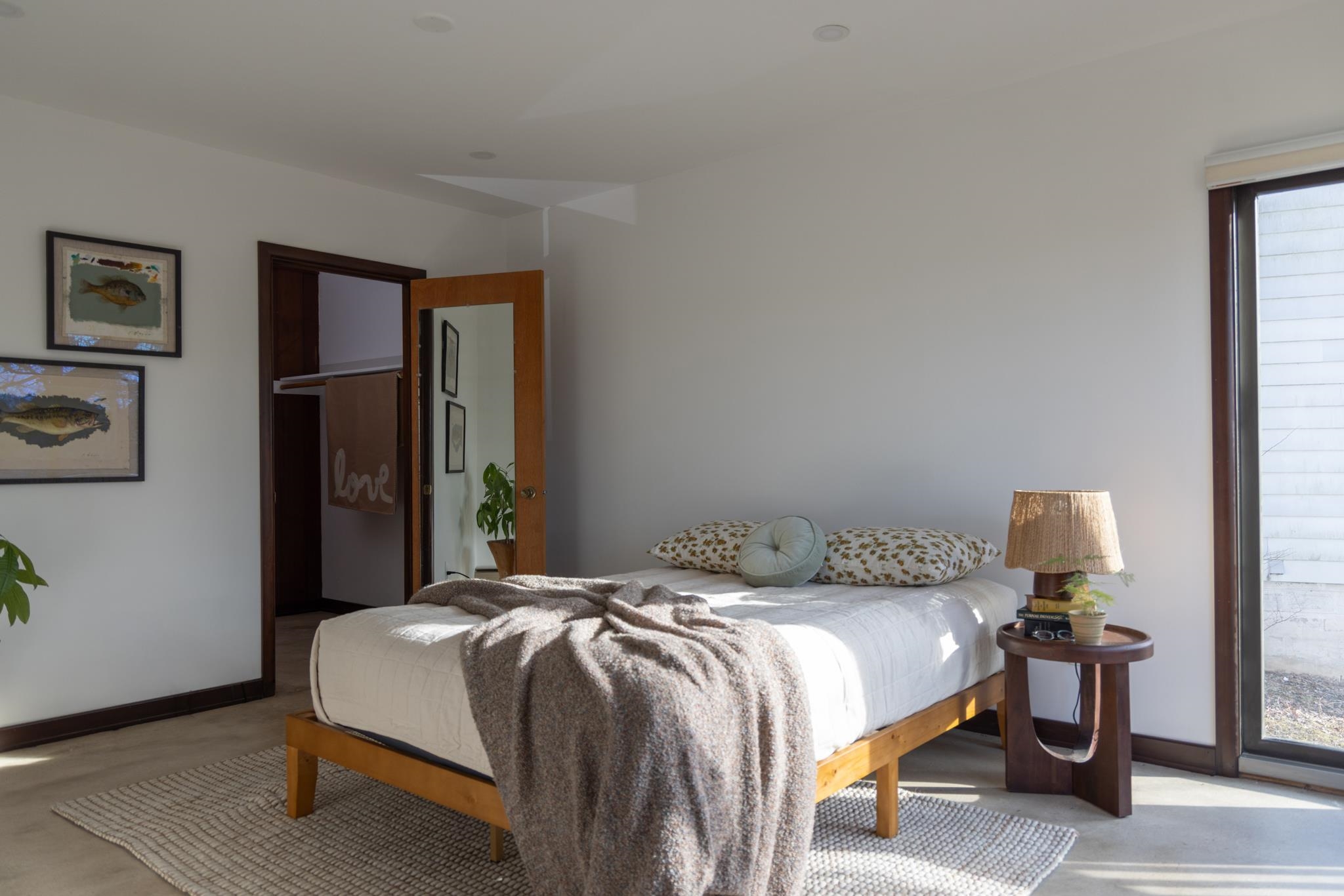
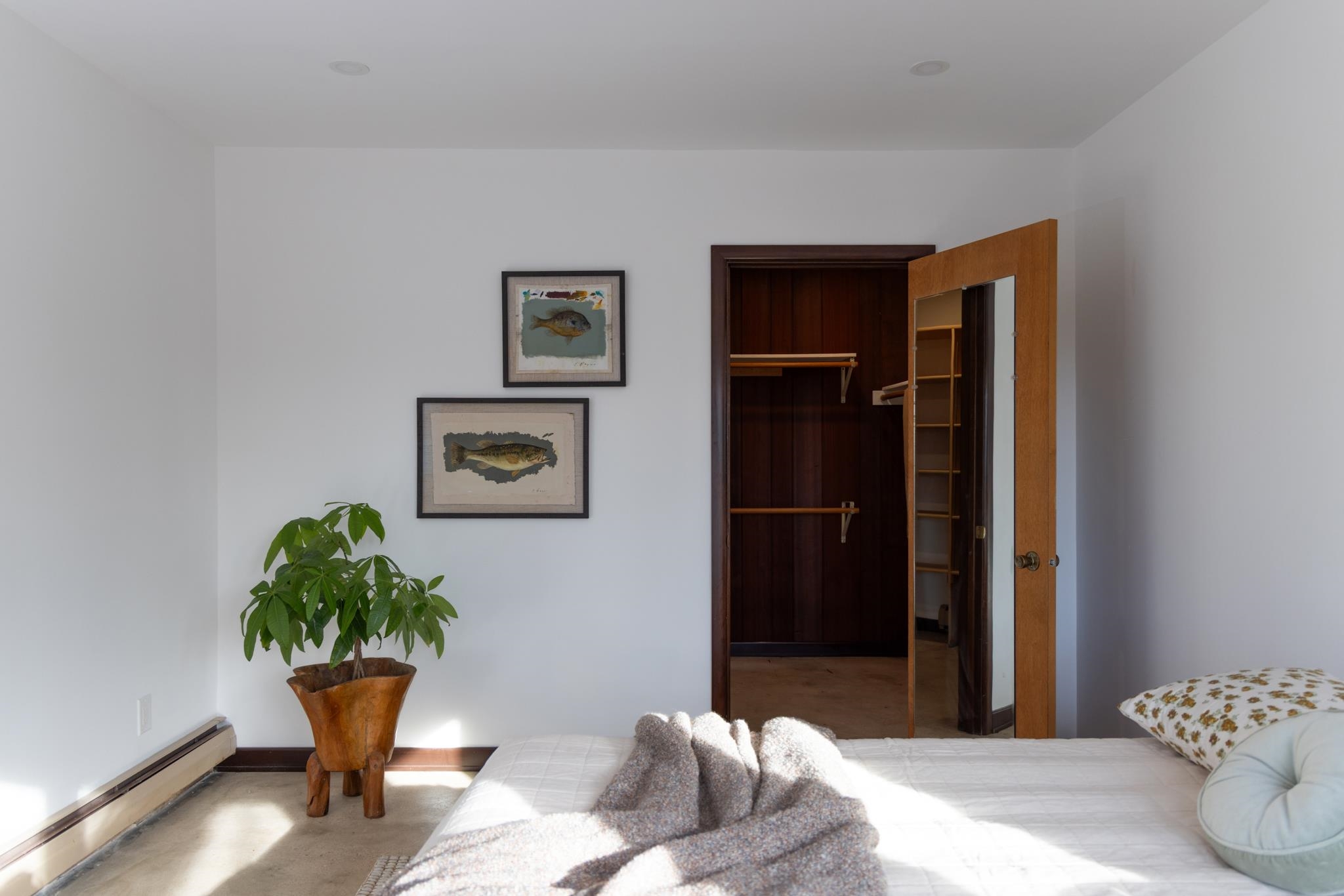
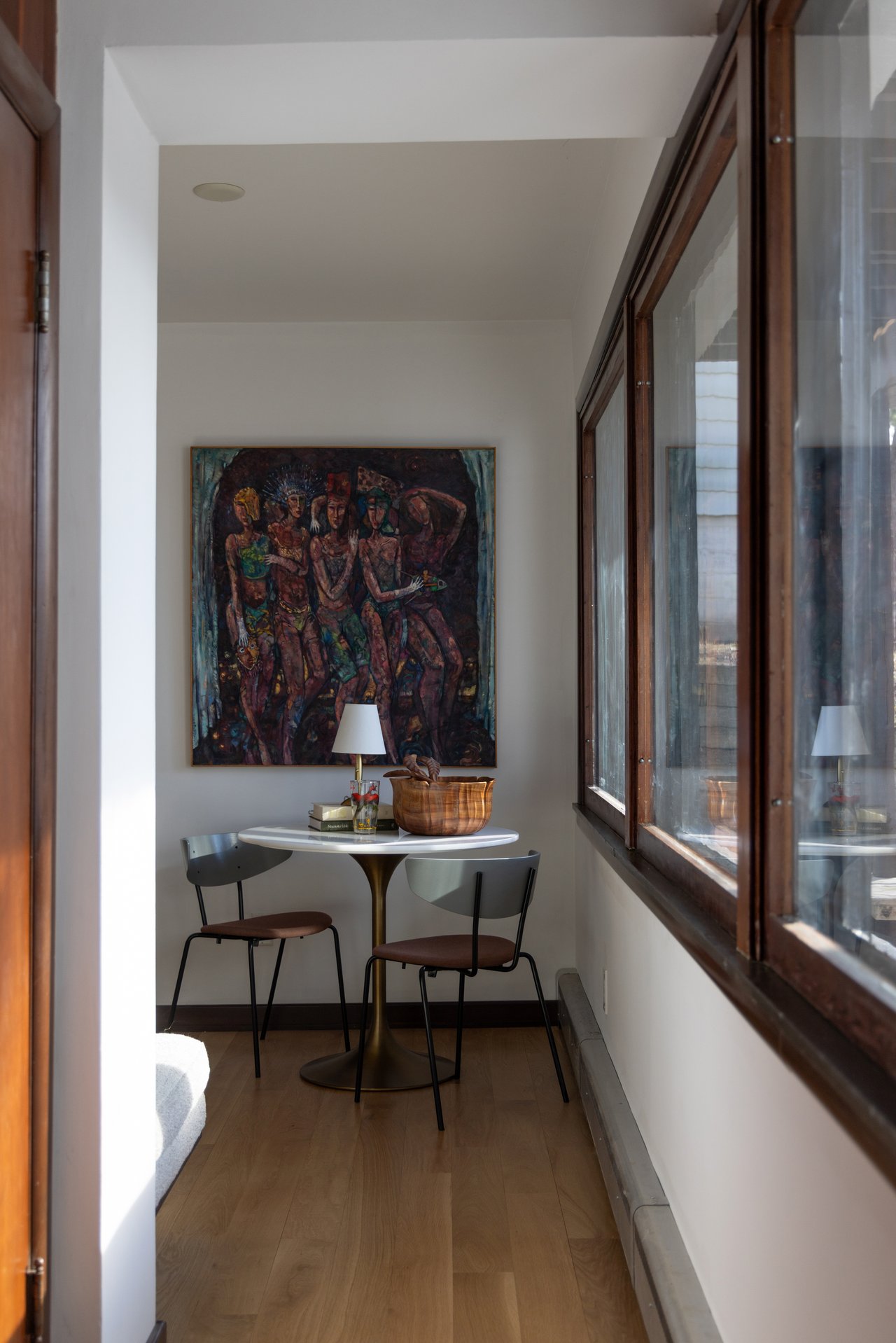
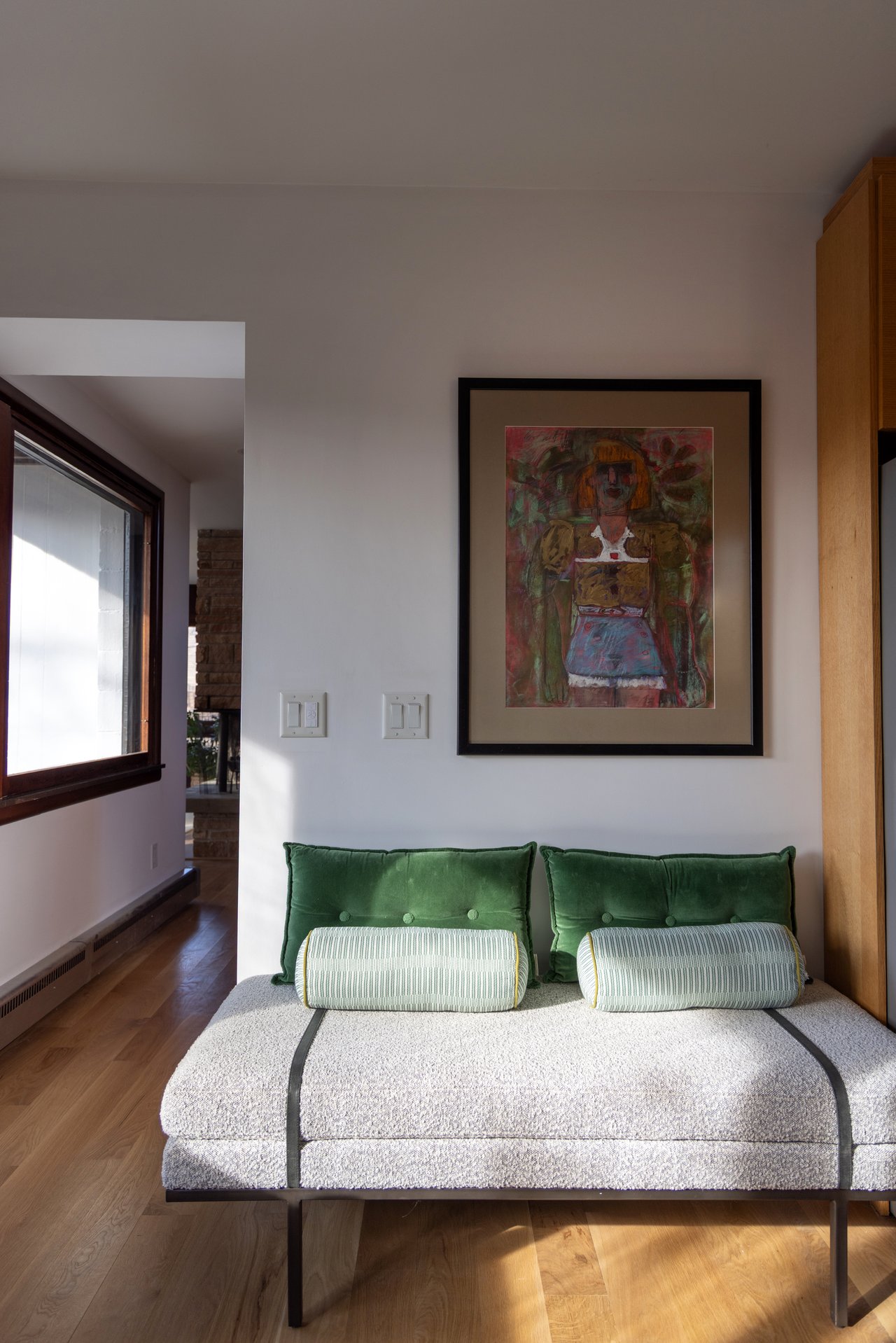
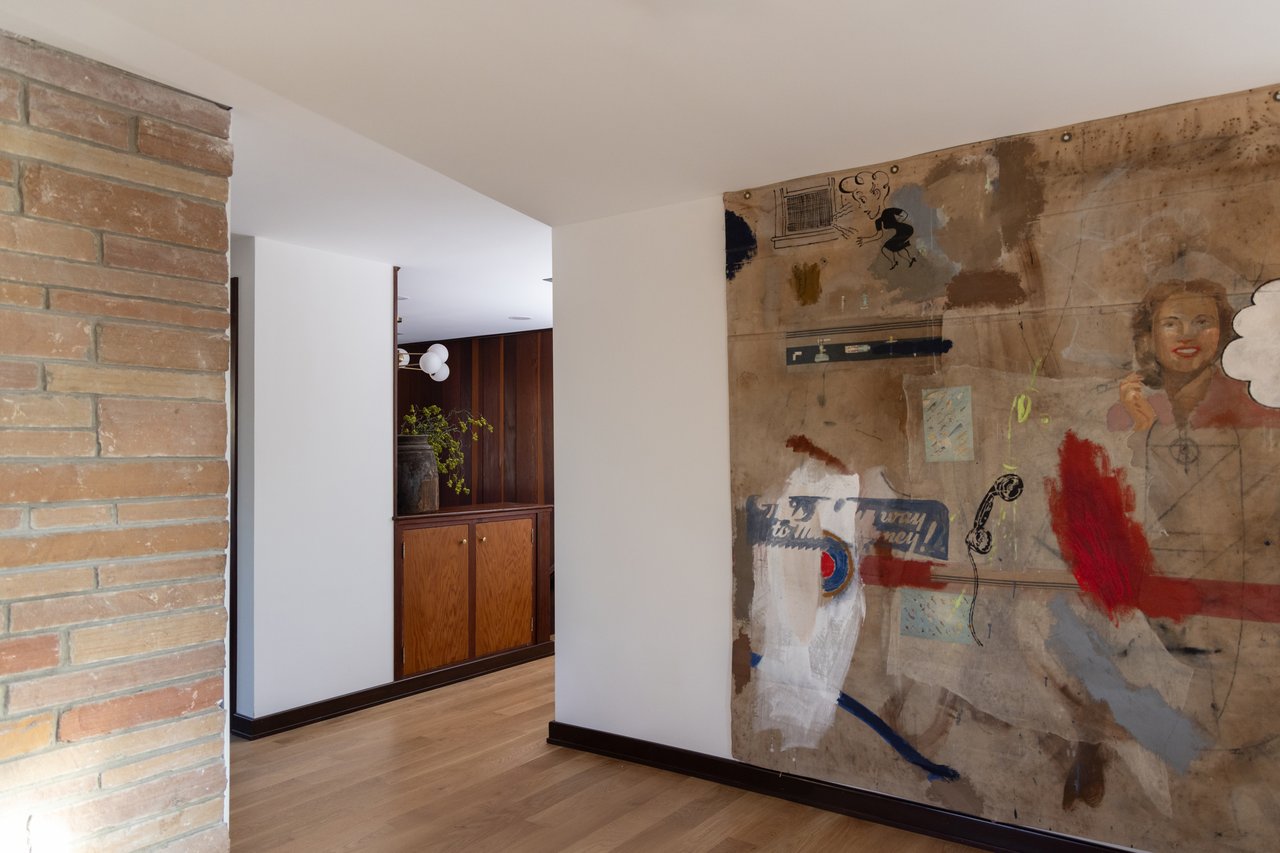
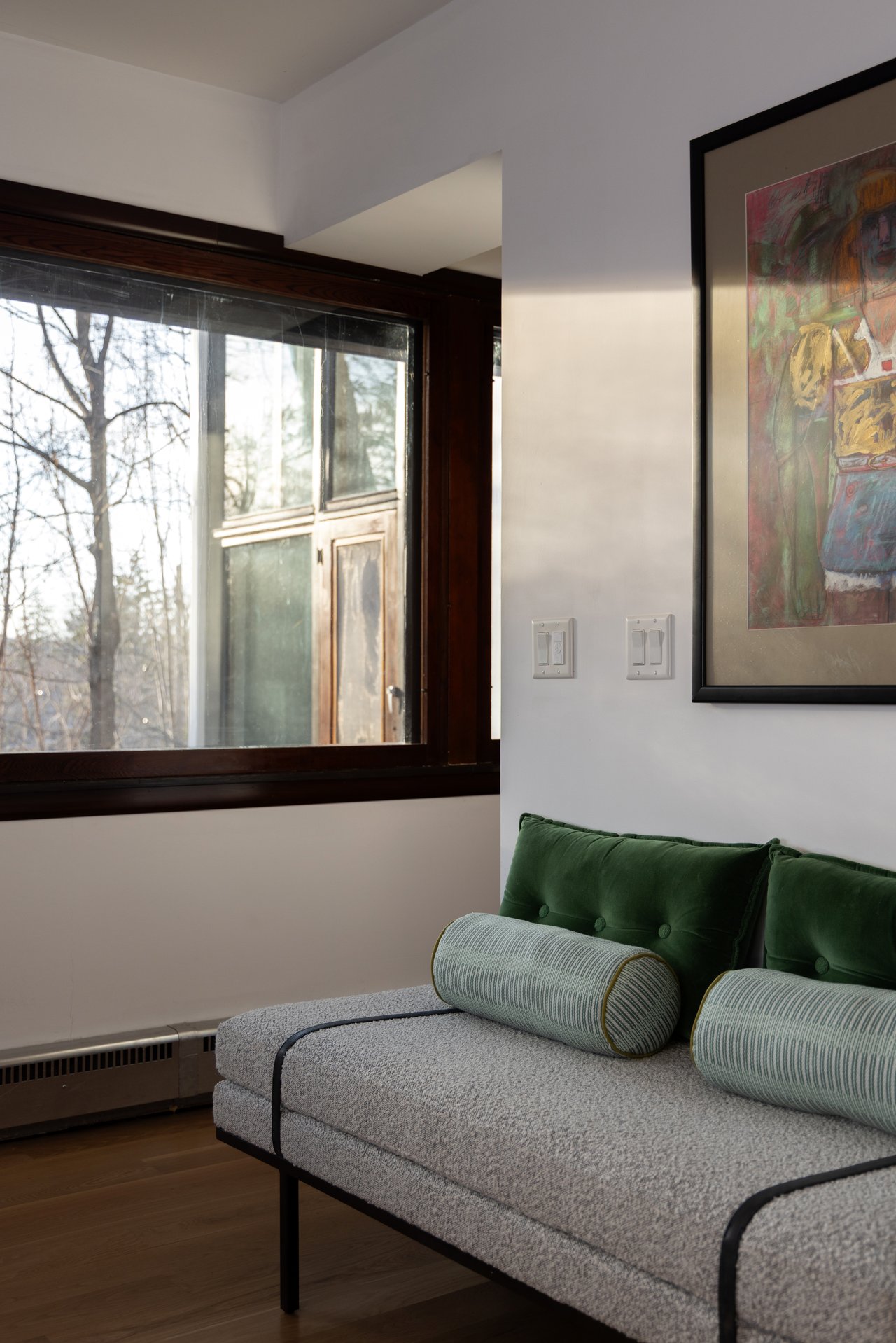
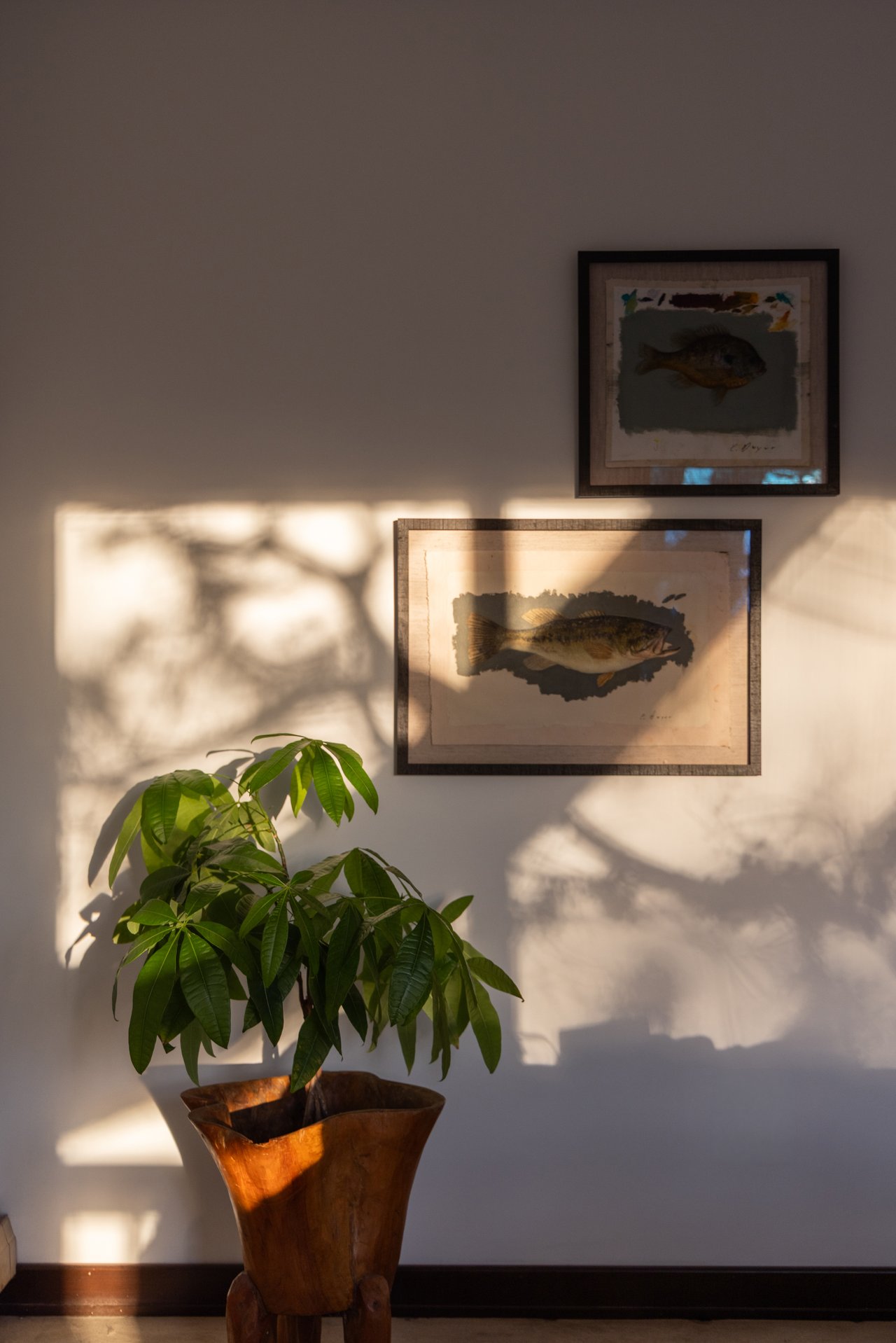
4338 Upland Drive is presented as part of the LeGrand Modern Collection — a curated series of architecturally significant mid-century homes in the upper Midwest. The interiors feature original works by Charles Dwyer, a Wisconsin-born, Milwaukee-based painter whose large-scale figurative canvases have sold from New York to Barcelona. Trained at the Milwaukee Institute of Art & Design and shaped by the German Expressionists, Dwyer works in layered mixed media — building surfaces that carry the same sense of accumulated intention as the architecture around them. A man who has restored murals in landmark buildings across the country, he understands what it means to honor what came before.
The art and the architecture here are in conversation, not competition. Both ask the same thing of the people who live with them — to pay attention.